The list below covers twelve heel types worth knowing, from the 2-inch practical block to the 6-inch statement platform, plus what to check before you buy and how to walk in them without limping by noon.
A stiletto on wet cobblestone or grass is a fall waiting to happen, while a wedge or platform spreads weight evenly enough for hours of standing.
Transparent heels, usually clear acrylic, stretch your leg line but fog and scratch faster than leather ages.
1. Stiletto Heels
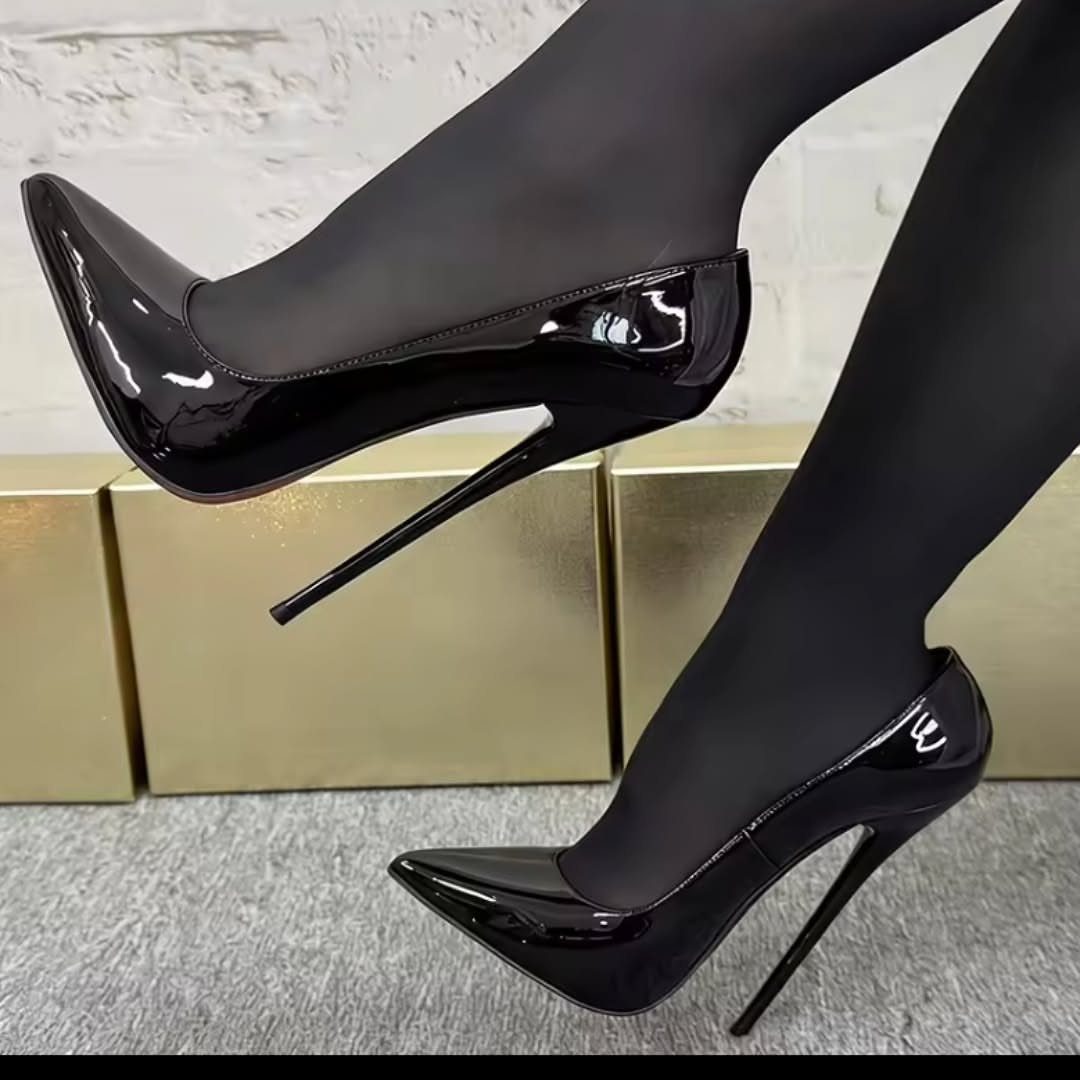
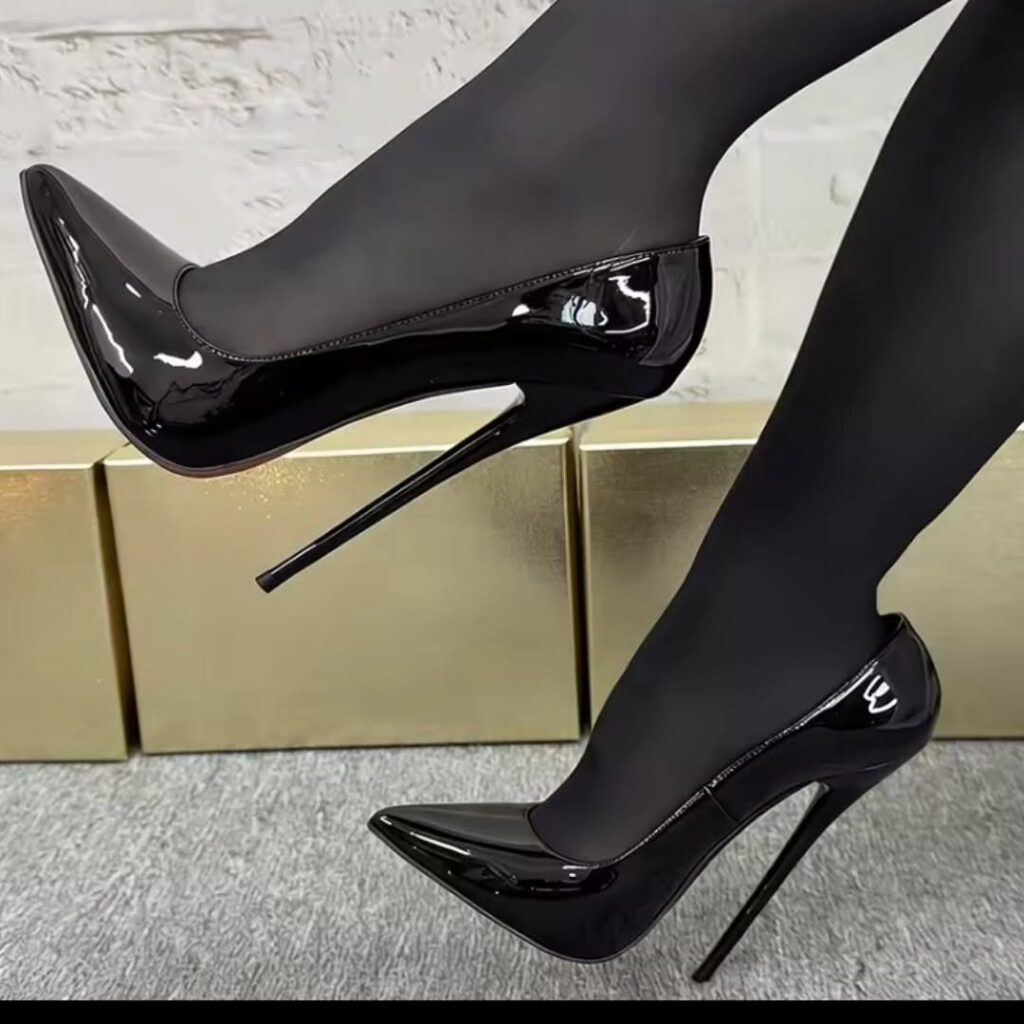
The heel takes its name from the stiletto dagger; thin, tapered, and coming to a sharp point at the base, usually 3 inches or taller.
I find them best reserved for occasions where you will not walk far: the narrow diameter concentrates force into a small area, and medical problems can follow excessive wear.
For a black-tie gala or high-stakes meeting where you need the silhouette, a 3-inch heel gives most of the leg-lengthening effect with slightly less strain on the ball of the foot.
Keep a wider-based alternative at hand for the commute home.
2. Wedge Heels
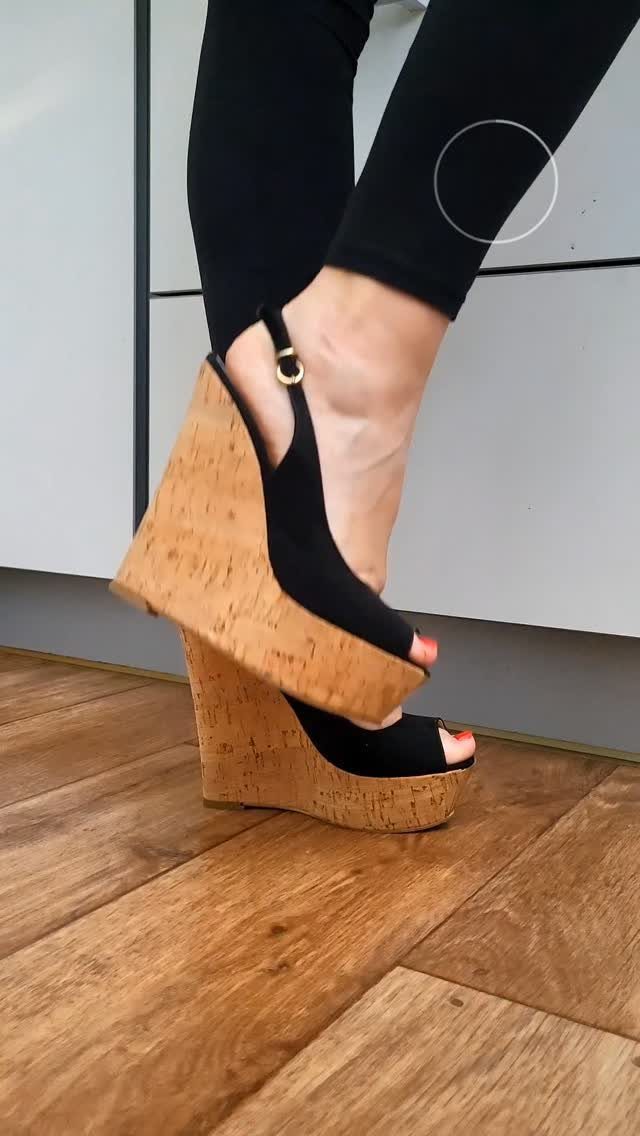
A continuous sole runs from back to front, so the heel and sole are one piece rather than separate.
This spreads weight evenly across the foot, which is why I reach for wedges when I know I will be standing for hours. Cork, espadrille, or jute versions read summer; black patent or leather works year-round.
The stability makes them practical for grass or cobblestone, and a wedge nearly matching the height of your office pump can serve as a commuting shoe. Height without the wobble.
3. Platform Heels
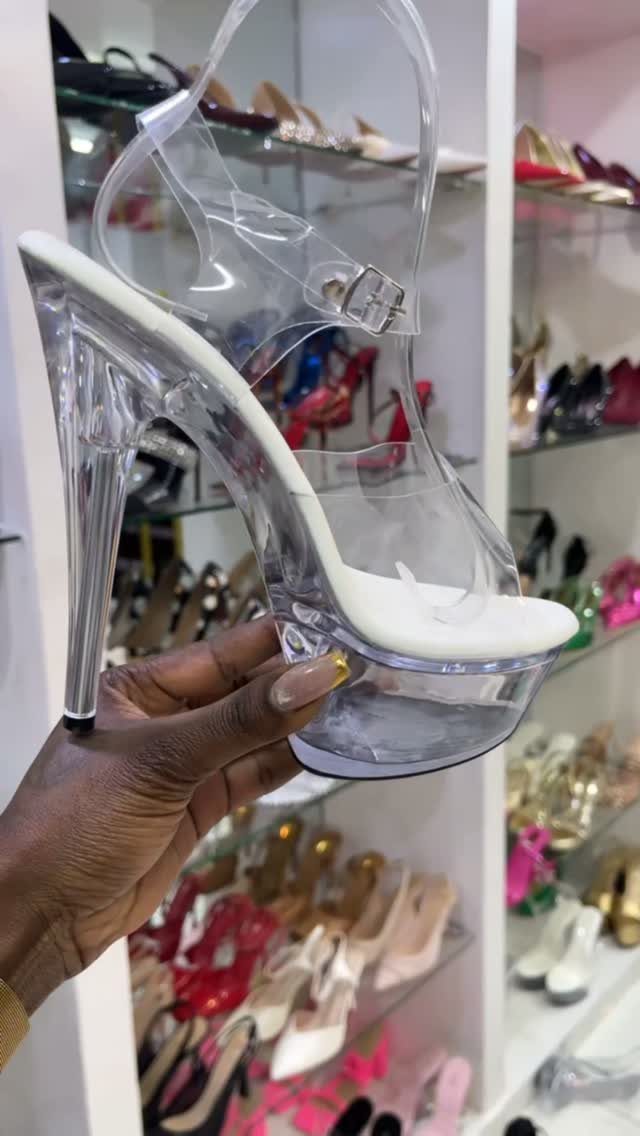
A thick sole under the front of the foot reduces the effective angle of the shoe, so a 6-inch heel with a 2-inch platform wears more like a lower heel.
The visible clear acrylic version shows exactly where the lift sits: concentrated under the ball of the foot, extending to the toe.
For extended wear, check that the heel itself rises higher than the platform; otherwise the shoe loses its downward incline and your gait suffers.
Bold colors or metallals turn these into a statement piece with flared dresses or structured evening wear.
4. Ankle Strap Heels
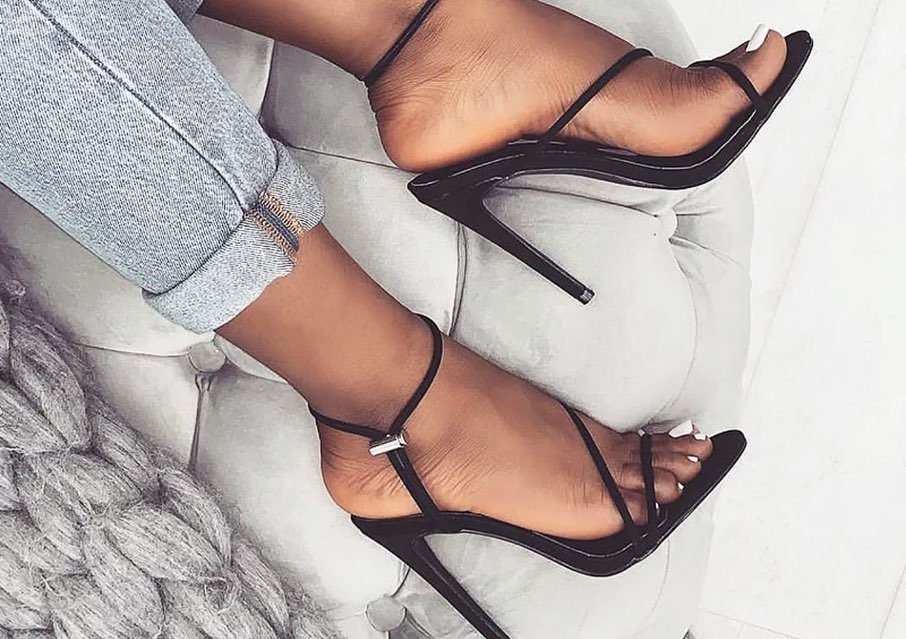
The strap around the ankle adds security but introduces its own problems: thin straps can cut into skin, and open-toed versions may leave your toes hanging over the edge.
I prefer a slightly wider strap with some padding, or a closed-toe version that gives more structure to the front of the foot.
For work or an evening when you will move between sitting and standing, the strap keeps the heel from slipping, but test the fit with your actual ankle circumference; adjustable buckles matter more here than on most heels.
5. Block Heels
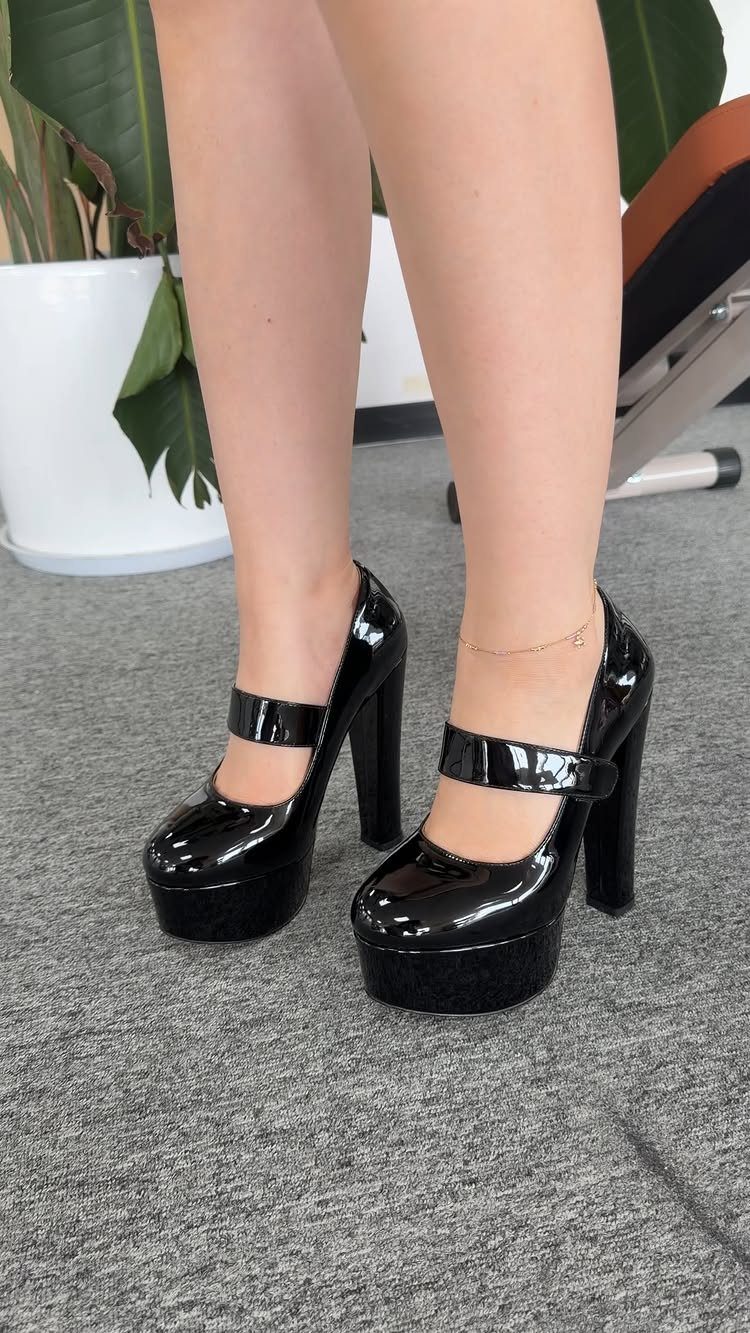
The wide base, usually 2 to 3.5 inches high, gives stability that stilettos cannot match; the chunky construction distributes weight evenly and handles uneven surfaces without sinking.
For offices, brunches, or any event with grass or cobblestone underfoot, this is where I start when comfort is a priority. The retro edge is a bonus, not the main reason to buy.
6. Peep-Toe Heels

A small opening at the toe exposes just enough to read as flirtatious without the full exposure of sandals; the pin-up association from the 1940s still lingers. Pedicure maintenance is non-negotiable: chipped polish in that opening defeats the purpose.
For summer events or occasions where you want the coverage of a pump with a touch of playfulness, this is the middle ground. Bright or pastel shades push the fun further; black keeps it sleek.
7. Strappy Heels
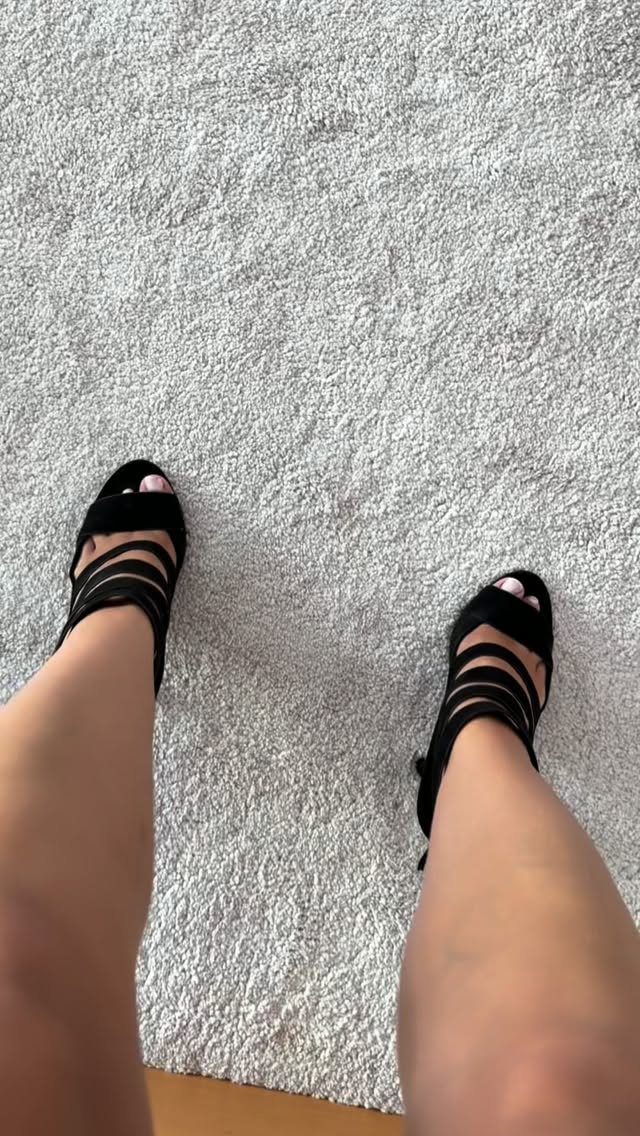
Multiple thin straps cross the foot from toe to ankle, holding it in place with more grip than a single band but more exposure than a pump.
The look reads evening or vacation rather than boardroom; too many fastenings and the foot starts to look caged rather than framed.
For a secure fit without the pinching, I look for slightly wider straps with a little padding underneath, and I test whether my toes stay put when I flex; thin straps plus toe-overhang is a painful combination.
A stiletto base keeps the glamour, while a flared heel gives the same strappy look with slightly more stability at the end of the night.
8. Heeled Boots
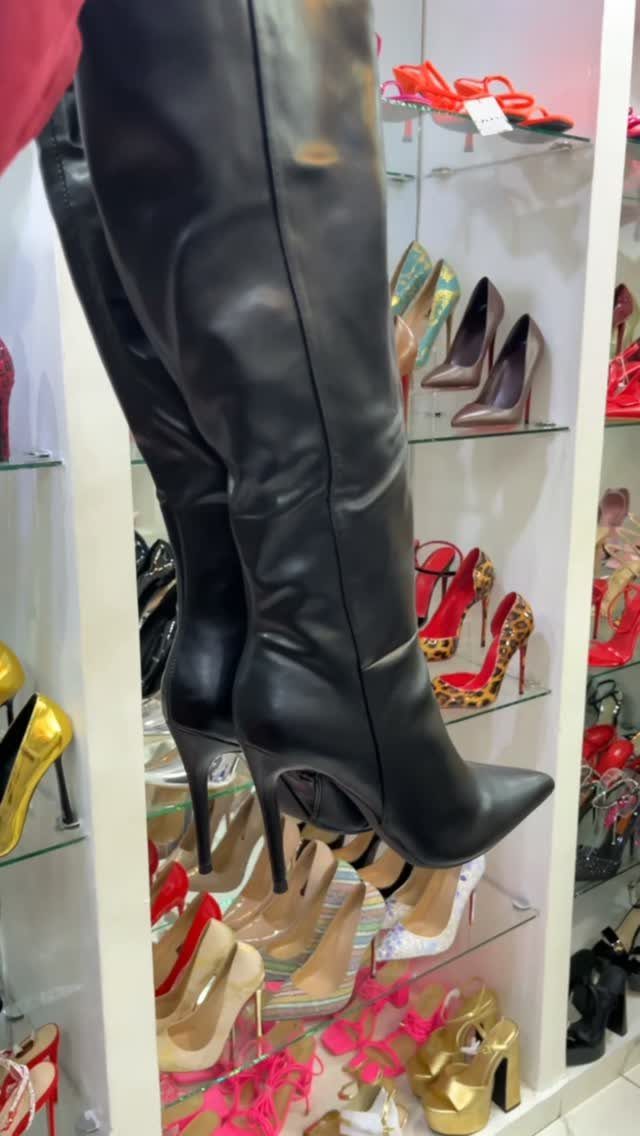
A shaft rising past the ankle changes how a heel behaves: the foot and lower leg are encased, so a higher heel feels less precarious than it would in an open shoe.
Block, flare, or blade heels are the common pairings; stiletto versions in pointed-toe leather read high-fashion but demand dry pavement, since slick soles on wet stone are a fall waiting to happen.
I treat these as autumn-through-winter equipment, not all-weather gear. Ankle-height shafts work with cropped pants; knee-high or over-the-knee versions need slimmer silhouettes below to avoid bulk.
The weight of leather adds intention to even simple outfits, which is why I reach for boots when a dress feels too bare on its own.
9. Sculptural Heels
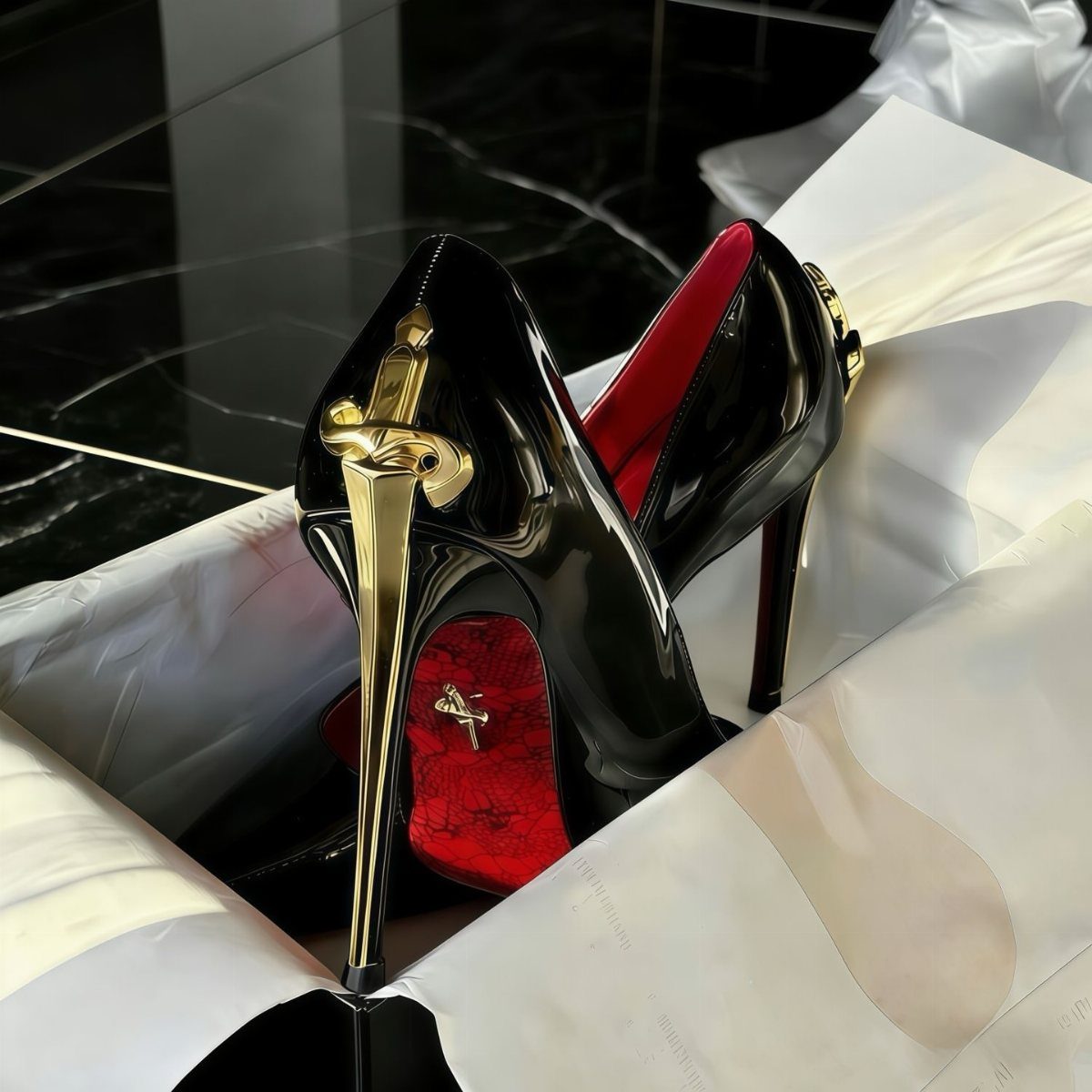
The heel itself becomes the statement: spheres, stacked cylinders, or abstract metalwork replacing the standard straight post.
What you gain in conversation-starting power, you trade in predictability; balance and comfort vary wildly depending on whether the designer prioritized sculpture or engineering.
A heel shaped like a golden dagger lands your weight completely differently than one shaped like a column, so trying these on in person is the only way to know if you can walk in them.
I keep the rest of the outfit quiet when the shoes carry this much visual load; monochrome or minimal tailoring lets the heel do its job without competition.
For fashion events or shoots where the photograph matters more than the miles walked, this is where I look.
10. Transparent Heels
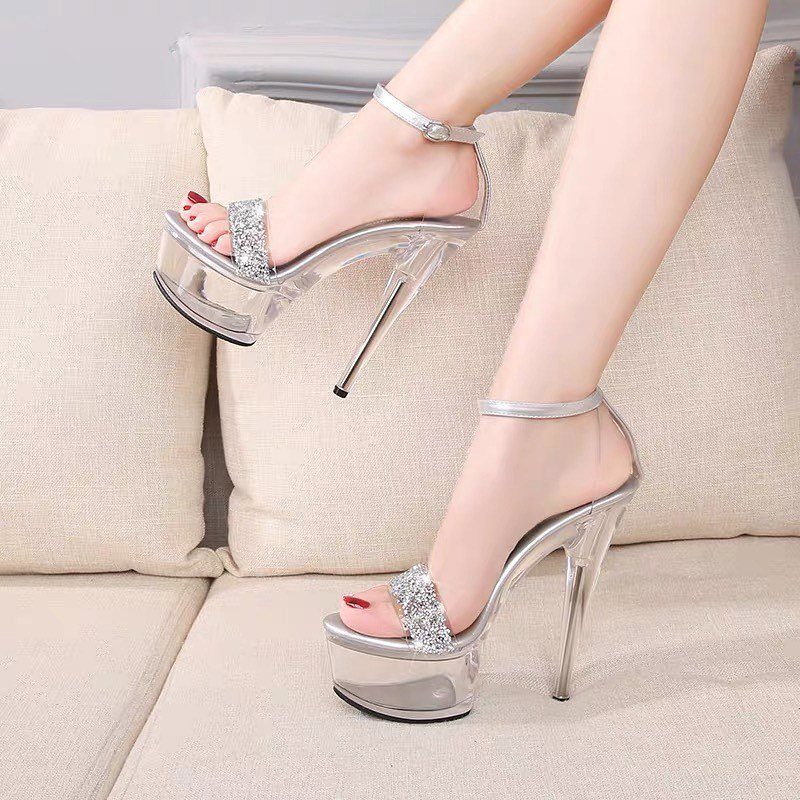
Clear acrylic or PVC in the upper, the platform, or both creates the illusion that the foot itself is floating at height; the leg line continues uninterrupted, which reads as extra length without extra color.
What I watch for is fogging or scratching on the clear surfaces, which shows quickly and cheapens the effect. For cleaning, mild soap and a soft cloth; harsh chemicals cloud the material.
These are trend pieces with a shorter lifespan than leather, so I would not build a wardrobe around them, but for a single season of statement dressing the visual trick is hard to replicate.
11. Classic Pointed Toe Pumps
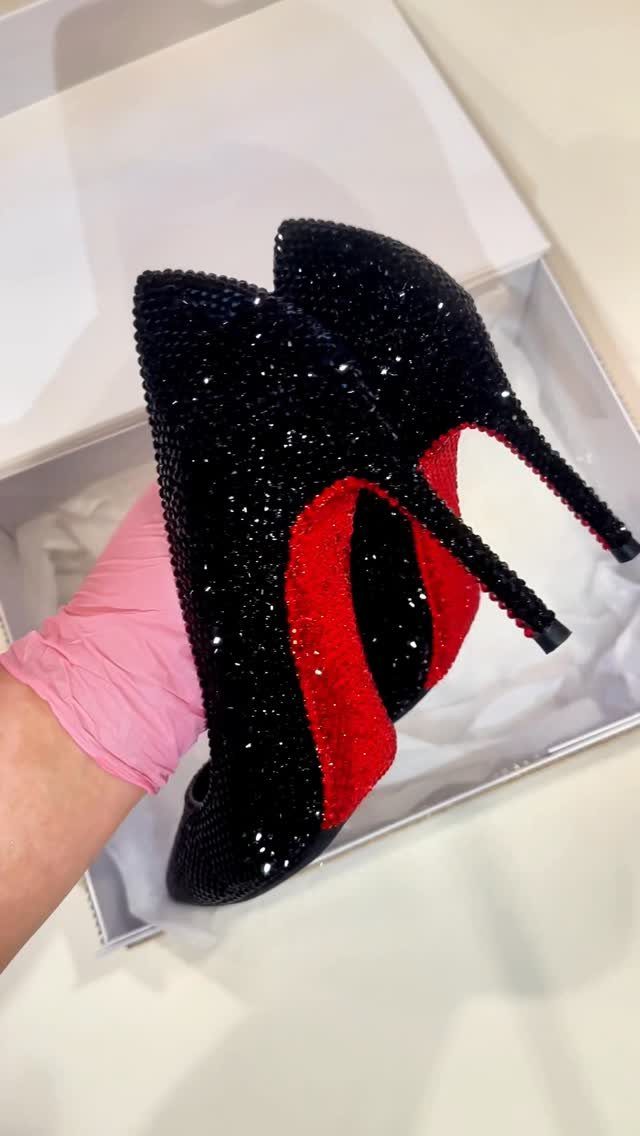
The narrow toe box tapers to a point that lengthens the leg line; narrow feet fill it best, while wider feet may need to size up or accept that the silhouette will pinch.
Black patent or leather in this shape is the foundation I would choose if I owned only one dress heel: it pairs with suits, sheath dresses, and dark denim without competing.
Crystal-encrusted pumps with a red underside are strictly evening shoes; for daily wear, plain leather ages better and hides scuffs instead of advertising them.
A 3-inch heel hits the practical ceiling for all-day wear; higher and the ball of the foot takes too much load. This is the shape I return to when trend pieces feel dated and I need something that simply works.
Choosing the Right Heel
Comfort, occasion, and personal style are the 3 filters I run every purchase through, in that order.
For a wedding, wedges or embellished ethnic heels keep you stable through grass and gravel; for the office, kitten heels or block heels read professional without the strain of a full lift.
Parties and evening events are where stilettos and platforms earn their place, since you will likely sit more than you stand. Casual outings call for mule heels or block heels; outdoor events, for wedges or platforms that handle uneven ground.
The height matters as much as the shape: lower heels carry you through long days, mid-heights balance elegance with wearability for semi-formal events, and higher heels deliver glamour for occasions where the photograph outlasts the walking.
Match the shoe to the demands of the day, not just the color of your bag.
How to Walk in Heels
Let your heel hit the ground first, then shift your weight onto the ball of your foot as you step. This cuts the clunk of heavy steps and gives you more surface area for balance.
Shorten your stride: baby steps, slow and steady, one foot directly in front of the other like a tightrope walk. Posture helps.
Keep your chin up, shoulders loose, chest out, and your stomach slightly pulled in. Traction matters on slick floors.
Scuff new leather soles on concrete or rough them with sandpaper; shoe pads work for especially slippery pairs. Practice until the sequence feels automatic rather than a checklist you recite with every step.
Caring for Heels
Slip heels into dust bags or their original boxes; piling them under other shoes will crush the shape. Cedar shoe trees or acid-free paper inside maintain the shape and prevent warping.
The shank, that metal strip inside the sole, is what holds the arch up and decides whether a heel stays comfortable for months or starts sagging after a few wears.
Before you buy, give the shoe a bend; if it folds in half easily, the shank is too weak.
Quality construction resists. Each inch of lift pushes about 25% more pressure onto the front of your foot.
Platforms and block heels spread that load; stilettos concentrate it. Swap out the little rubber or plastic cap on the heel tip once it wears thin, before the metal post underneath starts clicking on pavement.
A cobbler charges under $15 for this, and it saves the shoe. Rotate what you wear; no pair should carry every day.
Leather and suede soften to match your foot and let air through; patent synthetics hold sweat against your skin and tend to blister. Avoid wet or uneven surfaces when the material or construction cannot take it.
Frequently Asked Questions
How many styles of high heels are there?
No one agrees on a total count, since a designer can take a stiletto and change the arch, the vamp, or the toe box and call it something new.
Most heels you will actually find in a store sort into a few familiar buckets: what the heel itself looks like, how open or closed the toe is, how high it sits, and what job it is meant to do.
The main heel shapes are stiletto, block, platform, cone, and spool; classic styles include pumps, slingbacks, and D’Orsays.
What are different names for high heels?
Heels get their names from heel shape, toe shape, height, and overall style.
Shape names include stiletto, block, wedge, platform, cone, and spool. Height gets its own shorthand.
A kitten heel is the lowest, then you move up through mid-height territory before anything over 3 inches counts as high. Style names cover pumps, slingbacks, D’Orsays, Mary Janes, mules, and sandals with various strap configurations.
How to choose the right type of heels?
Run every pair through 3 filters: comfort, occasion, and personal style. Grass or outdoor events call for wedges or platforms; offices suit block heels or kitten heights; short evening events are where stilettos earn their place.
What are the most comfortable heels?
For standing or walking longer than an hour, I reach for a block heel or a wedge.
The wider base spreads your weight instead of stacking it on a single point. A low-to-mid heel around 1 to 2 inches is easiest on the feet for long days, and a platform under the forefoot reduces the effective angle.
Ankle straps or slingbacks add security, but fit matters most: the heel should not bob, toes should not press, and the heel of your foot should sit exactly where the shoe intends.