These shoes range from canvas slip-ons to leather boots worth resoling, and the pair that earns its place in your closet depends on whether your wardrobe runs warm or cool in tone.
A woman whose clothes lean blue and neutral will reach for navy sneakers before brown shoes, since charcoal and olive need the grounding that black would overplay.
1. Black Boots
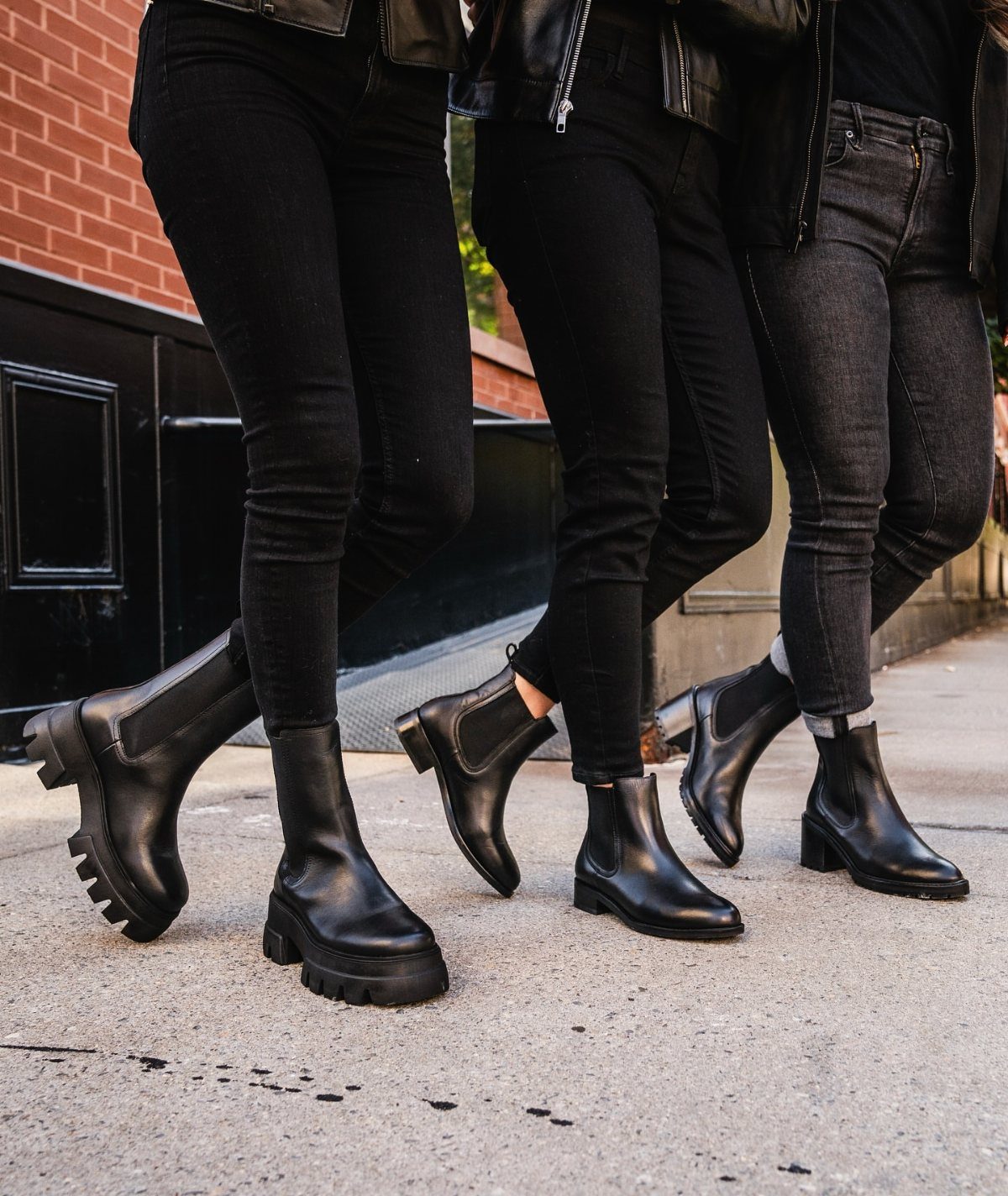
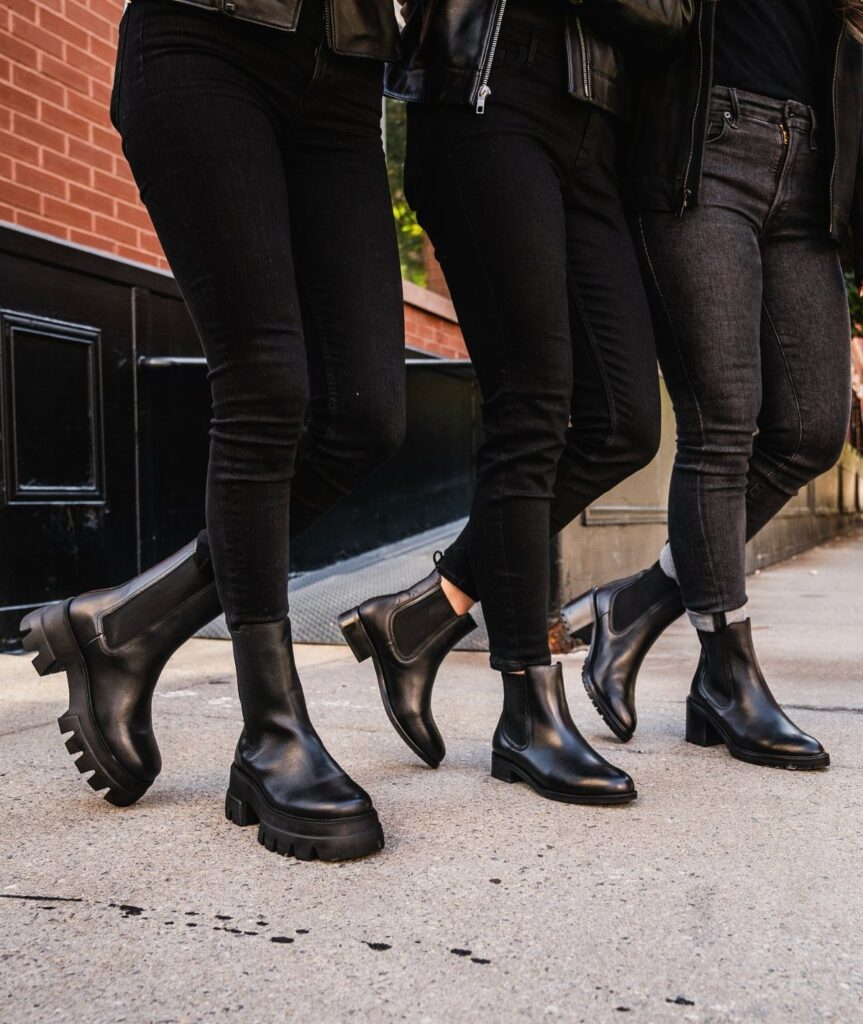
Black leather boots are the one pair I would replace first if mine ever gave out.
The finish reads as intentional whether you are wearing them with raw denim or a wool coat for dinner, and the color does not compete with anything else you own.
A Chelsea or ankle height works for most women; higher shafts can shorten the leg unless you are tall. I keep mine resoled rather than replaced, which says something about how often they run.
2. Beige Sandals
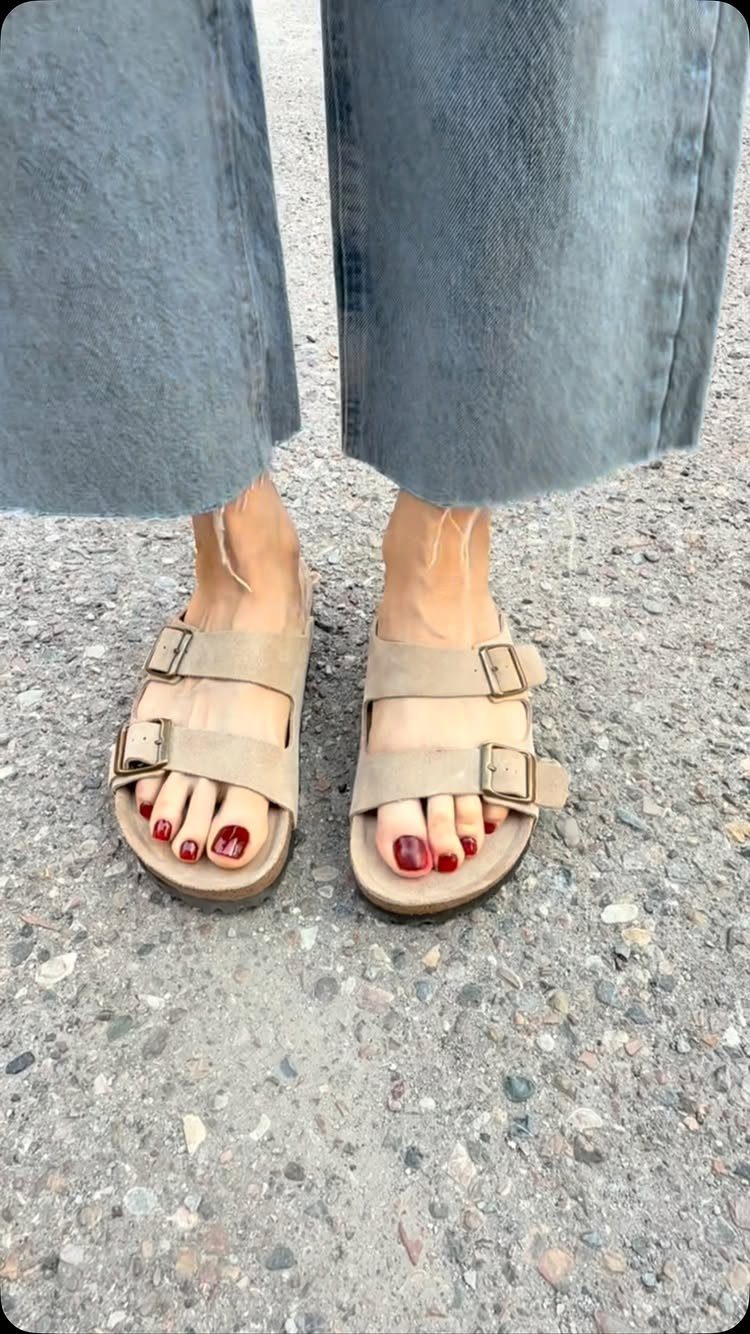
Beige sandals do the same work as nude heels, elongating the leg without the formality. A double-strap sandal in beige sits flat and wide, which balances cropped or wide-leg jeans without looking heavy.
Pick a beige that sits near your skin tone rather than against it; the closer the match, the longer the line. These transition to evening better than flip-flops or sport sandals because the suede and buckle read as finished.
3. Gray Sneakers
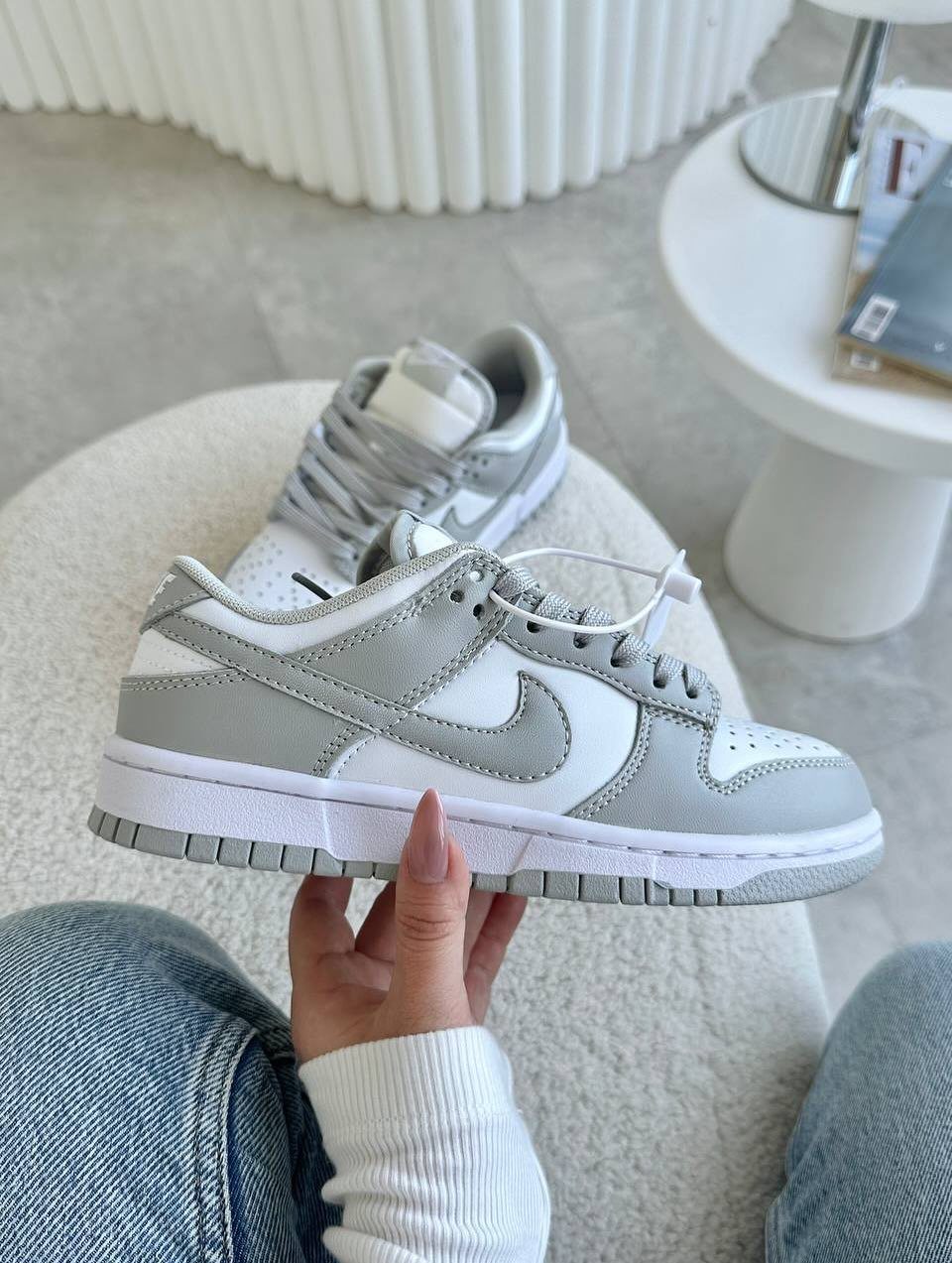
Gray sneakers sit where black feels too hard and white too bright. Low-top canvas sneakers in gray work with navy, olive, charcoal, or any denim wash without the contrast clash you sometimes get with true black.
I reach for mine when the outfit is already doing something, a patterned coat or a colored bag, and the shoes need to step back.
Ash and mid-gray are the most forgiving; charcoal can read as near-black and loses some of that middle-ground flexibility.
4. Brown Shoes

Brown shoes warm up an outfit in a way black rarely manages.
Suede Adidas in a warm brown are casual, but the color principle carries to loafers or Chelsea boots for work: tan through chestnut pairs with navy, olive, cream, and denim without the severity of black.
I find medium brown the most useful; very light tan can look summery and very dark brown competes with black rather than complementing it. If you wear mostly cool tones, brown asks more of you than gray or navy would.
5. Ballet Flats

Ballet flats are the shoe I pack when I need one pair to cover walking, a meeting, and dinner in the same day.
A black ballet flat with a small bow reads as polished with trousers or a midi skirt without the commitment of a heel.
Leather or a structured knit holds its shape through a full day; softer materials can look tired by evening.
6. Navy Sneakers

Navy sneakers trade the heaviness of black for something that still grounds an outfit. Navy sneakers with a white stripe work because navy and denim are different enough in value to read as intentional rather than mismatched.
I would wear these with khaki, gray, or white before I would with dark indigo jeans; the contrast needs to be visible or the colors flatten into each other.
For women whose wardrobes run to blue and neutral, this is an easy second sneaker after white.
7. Classic White Sneakers

White leather court sneakers are the starting point most stylists name first, and I understand why. A low-top in smooth leather reads as intentional with trousers or a sundress where canvas might read as gym class.
The shape matters as much as the color: a slim toe box works under cropped pants, a slightly heavier sole balances a midi skirt.
I would pick leather over canvas for the way it holds up through rain and scuffing; the initial cost runs higher but the replacement cycle stretches out.
Keep the laces white or swap to gray if you want them to disappear.
8. Black Low-Top Sneakers

Black low-top sneakers with a white stripe or sole detail do the work of a black boot in warmer months or on days with heavy walking.
The white accent breaks up the darkness just enough that the shoe registers as deliberate rather than forgotten.
I would wear these with charcoal or olive before true black; head-to-toe black with a black sneaker can flatten into one shapeless mass.
Canvas holds less heat than leather for summer, though it stains easier. For women who already own white sneakers, this is the logical second pair for outfits where white feels too bright or too casual.
9. White Slip-On Shoes
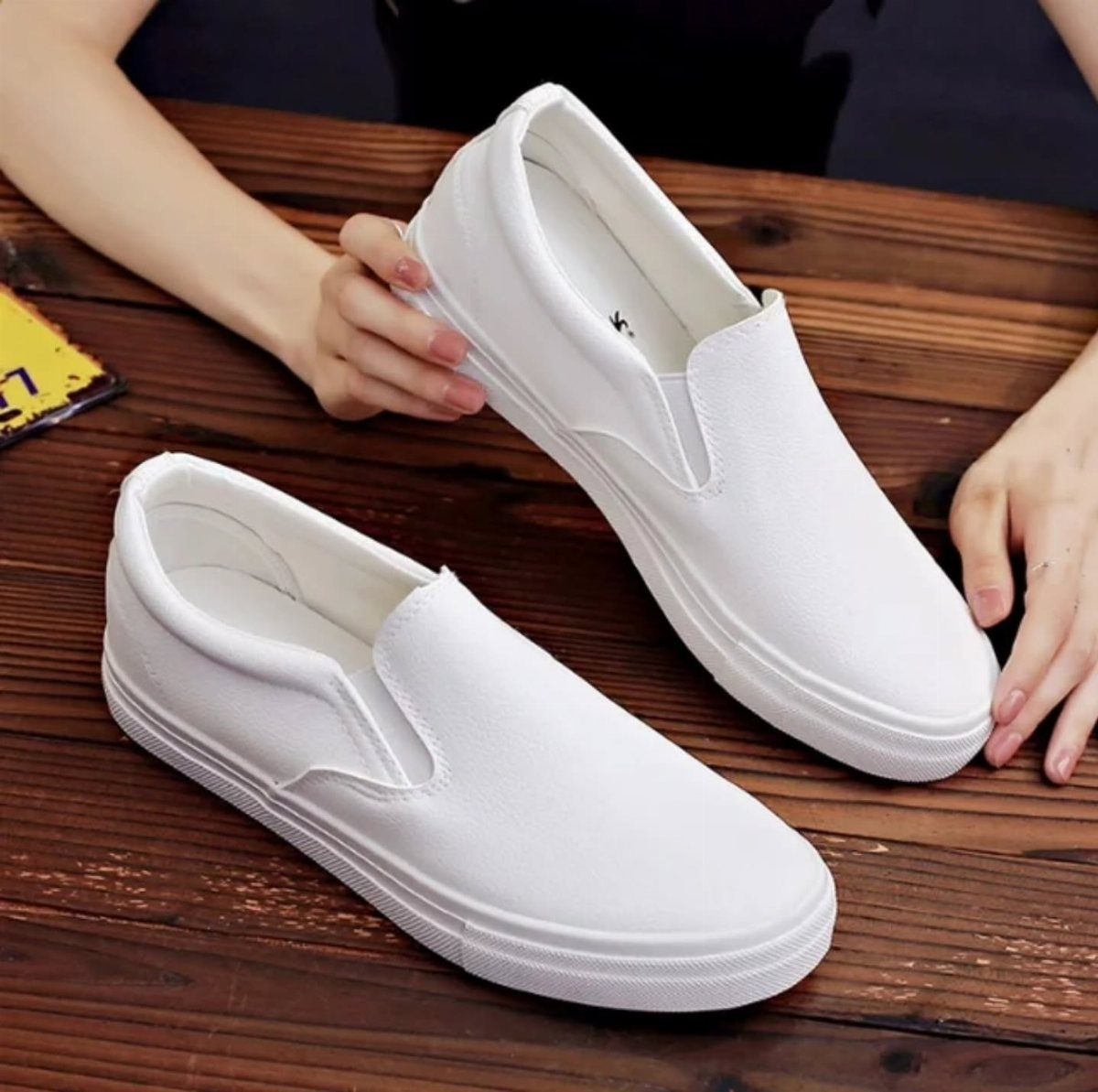
A canvas slip-on in all white trades laces for speed and reads simpler than any sneaker with hardware. A clean line above ankle-crop jeans or a wide-leg trouser that breaks at the shoe comes from the missing eyelets and tongue.
I would treat these as warm-weather or indoor shoes; canvas soaks through in rain and shows scuffing faster than leather.
Minimal wardrobes that aim to cut decisions, not make statements, are where these fit best. Size down half if you are between sizes; the stretch in canvas means they loosen quickly with wear.
Choosing Neutral Colors
Black, white, gray, beige, and navy are the colors that actually deliver on the promise of matching with everything.
Black and white sit at the extremes: black recedes and lets clothing take focus, while white adds crispness that reads as intentional rather than afterthought. Gray splits the difference and adds depth without competing.
The finish matters as much as the color. Smooth leather reads more refined than canvas or heavy texture, which means the same neutral color can shift between casual and formal settings depending on what it is made of.
Since metallic goes with nothing, it goes with everything. That’s the rule with metallic heels, which are a great staple to have in your closet because they’ll go with almost any color or print.
Styling for Different Occasions
The shape of a shoe determines where it can go more than most people account for.
A classic pump, loafer, sneaker, or ankle boot in a neutral color moves between day and evening, casual and formal, because the silhouette itself is not tied to one context.
A black leather Chelsea boot works with raw denim for lunch and a wool coat for dinner without changing anything but the rest of the outfit.
Sneakers in particular have crossed into territory that used to belong to dress shoes.
Black sneakers with dress pants and a blazer read as professional now in many offices, and beige or navy sneakers with chinos hit a balance between comfort and polish that rigid dress codes are loosening to accept.
A minimal sneaker works almost anywhere: white accents are fine, but heavy branding or technical details pull it back toward gym class.
Investing in Quality
Material quality changes how long a shoe stays useful and how many places you can wear it. Smooth leather and suede read as finished in settings where canvas or heavy texture would look out of place.
Leather also holds structure through years of resoling; I keep my black boots resoled rather than replaced, and that only works because the upper has stayed intact.
A smaller collection of well-made neutral shoes covers more ground than a closet of trendy colors that each match only one or two outfits.
Footwear Maintenance
A shoe that matches with everything only works if it looks like you chose it on purpose. Scuffed white leather, water-stained suede, or gray canvas darkened at the toe all register as neglect rather than ease.
Clean them before the damage sets. Leather benefits from regular conditioning to prevent cracking; suede needs a brush and a waterproofing treatment before the first wear.
Rotating between pairs lets each one dry and recover its shape, which extends the life of the material and keeps the silhouette from collapsing into something that looks tired by evening.
Frequently Asked Questions
Which type of shoes are best for everything?
Neutral-colored shoes in classic silhouettes: black leather boots, white sneakers, gray sneakers, beige sandals, and navy sneakers. Black lets the outfit do the talking, white sharpens the edges, and gray, beige, or navy meet you in the middle without shouting.
A smooth leather finish looks pulled-together in a way canvas does not, so one color can slide from errands to dinner based on what it is made of.
What is the most versatile shoe?
White leather court sneakers are the starting point most stylists name first, and I understand why. The shape matters as much as the color: a slim toe box works under cropped pants, a slightly heavier sole balances a midi skirt.