The sandals below include cushioned soles from brands like FitFlop and Birkenstock, gel inserts you can add to any pair, and closed-toe options with real arch support, so the right pick depends on where your plantar fasciitis pain sits: at the heel insertion, the arch, or the ball of the foot.
I would try Birkenstock first for heel-centered pain, since its cork footbed builds a deep cup that stabilizes that exact spot, while cushioned sandals with adjustable strapping suit uneven ground or forefoot tenderness better.
1. Sandals with Cushioned Soles
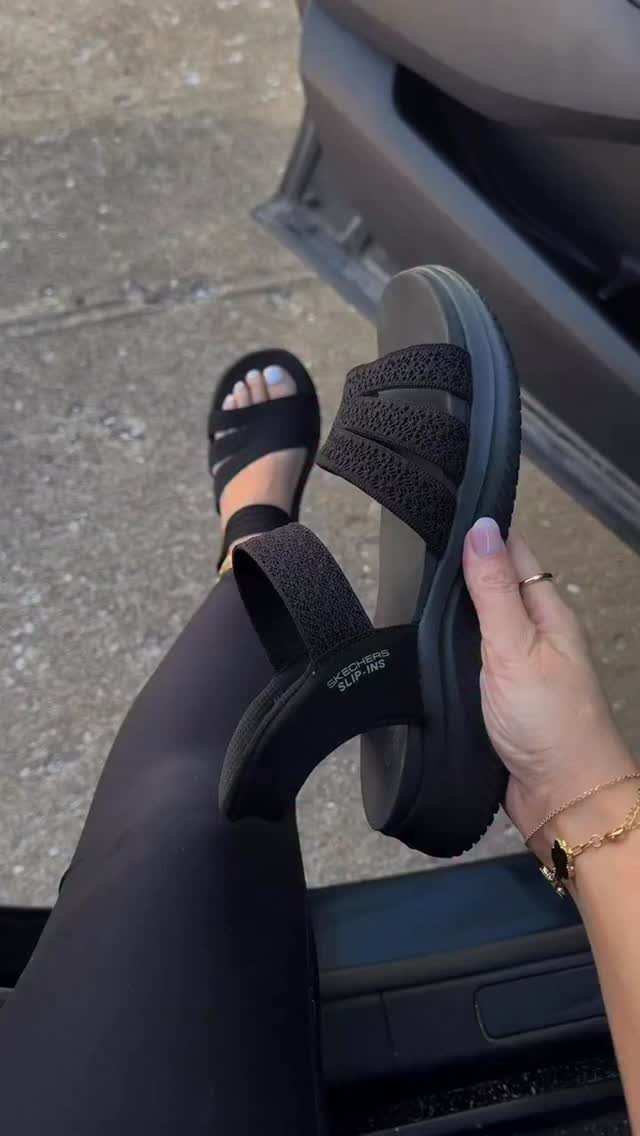
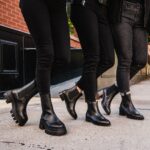
Thick cushioned soles absorb impact that would otherwise travel straight into a heel already tender from plantar fasciitis. Skechers Slip-Ins use a platform base that spreads pressure across the foot rather than concentrating it at the arch strike point.
For all-day wear, I look for soles that compress slightly under thumb pressure but spring back; too soft and the foot overworks to stabilize, too firm and the cushion is decorative.
These run about the height of a standard office pump, which makes them easier to pair with pants you already own.
2. Fashionable Designs
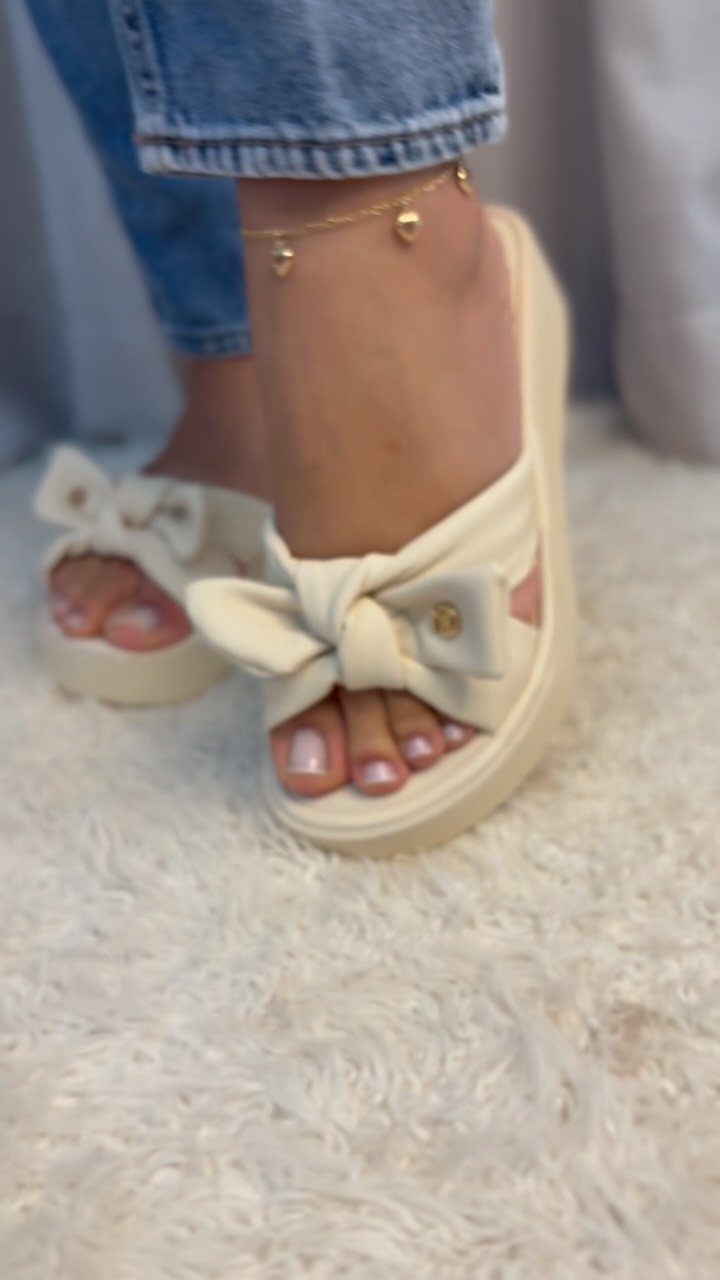
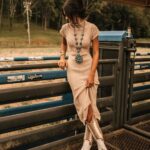
A knotted bow or clean strap turns a medical-looking footbed into something that reads as intentional style. Cream slides would work with a linen dress or cropped jeans without announcing themselves as orthopedic.
What I watch for is where the decoration sits relative to the arch support. An ornament placed too far forward can pull the foot forward and compress the toes, undoing the benefit.
The knot on these sits high on the instep, above the structural work, so the support stays where it belongs. Try walking on a hard floor before deciding; a pretty sandal that shifts underfoot is not one you will wear.
3. Closed-Toe Supportive Sandals
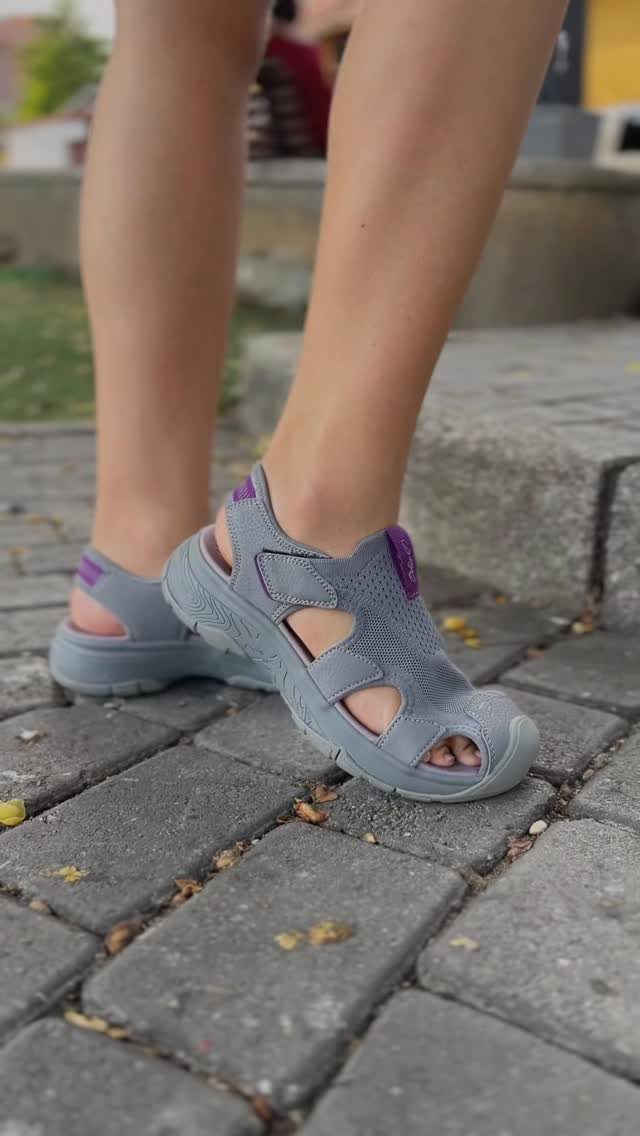
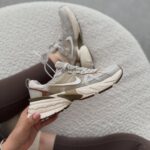
Closed-toe sandals protect toes that grip to hold flip-flops on, a motion that strains the plantar fascia with every step.
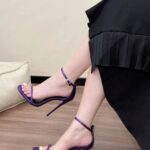
The grey and purple pair uses side cutouts for summer airflow while the toe box does the holding instead of your foot.
Keen and Teva build versions of this with adjustable heel straps and a metatarsal ridge that keeps the foot from sliding forward.
I would size up half a size if you plan to wear them with a light sock for travel; the toe box on closed-toe sandals runs shorter than their open-toe equivalents.
For feet with a neuroma or thinning fat pads, the enclosed front also shields against ground-level bumps that read as sharp when tissue padding is gone.
4. Gel Insole Inserts for Sandals
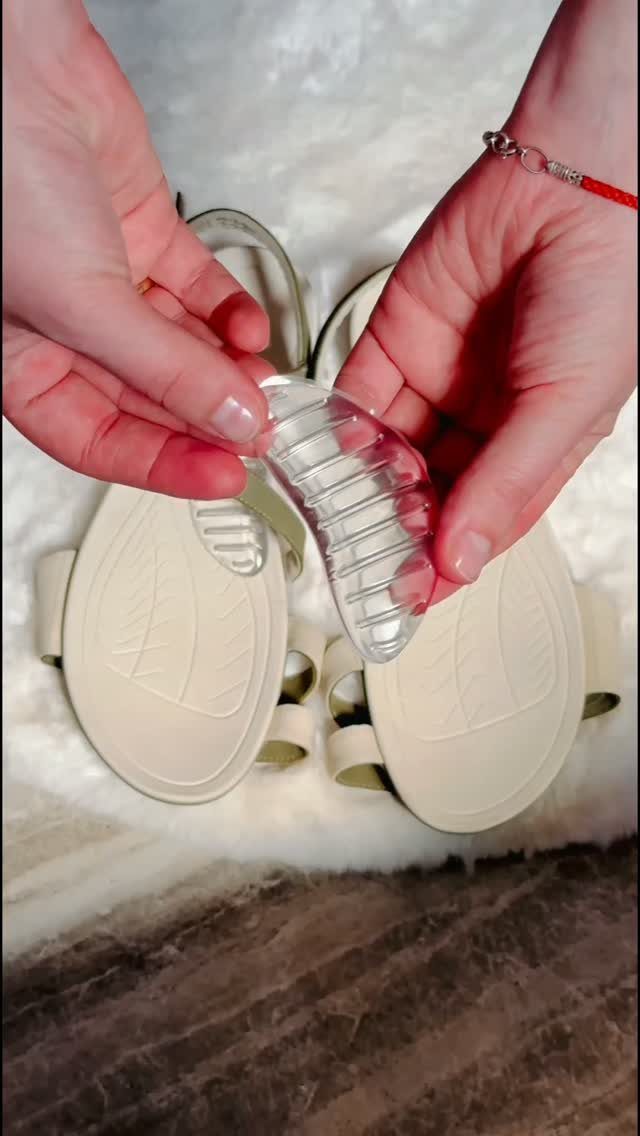
A clear gel insert can convert a sandal you already own into something tolerable for short walks.
The arch support adds structure where flat factory insoles leave a gap, and the material cost is modest even if retail markup triples it.
I have found these work best in sandals with a removable footbed or a deep enough base that the insert does not lift the heel out of the strap.
Full-length EVA molded options run closer to $5.62–$6.20 at wholesale and last longer; the thinner gel pads compress faster but slip in anywhere. Replace them when you can feel the ground through them, usually one season of regular use.
5. Braided Strap Slides
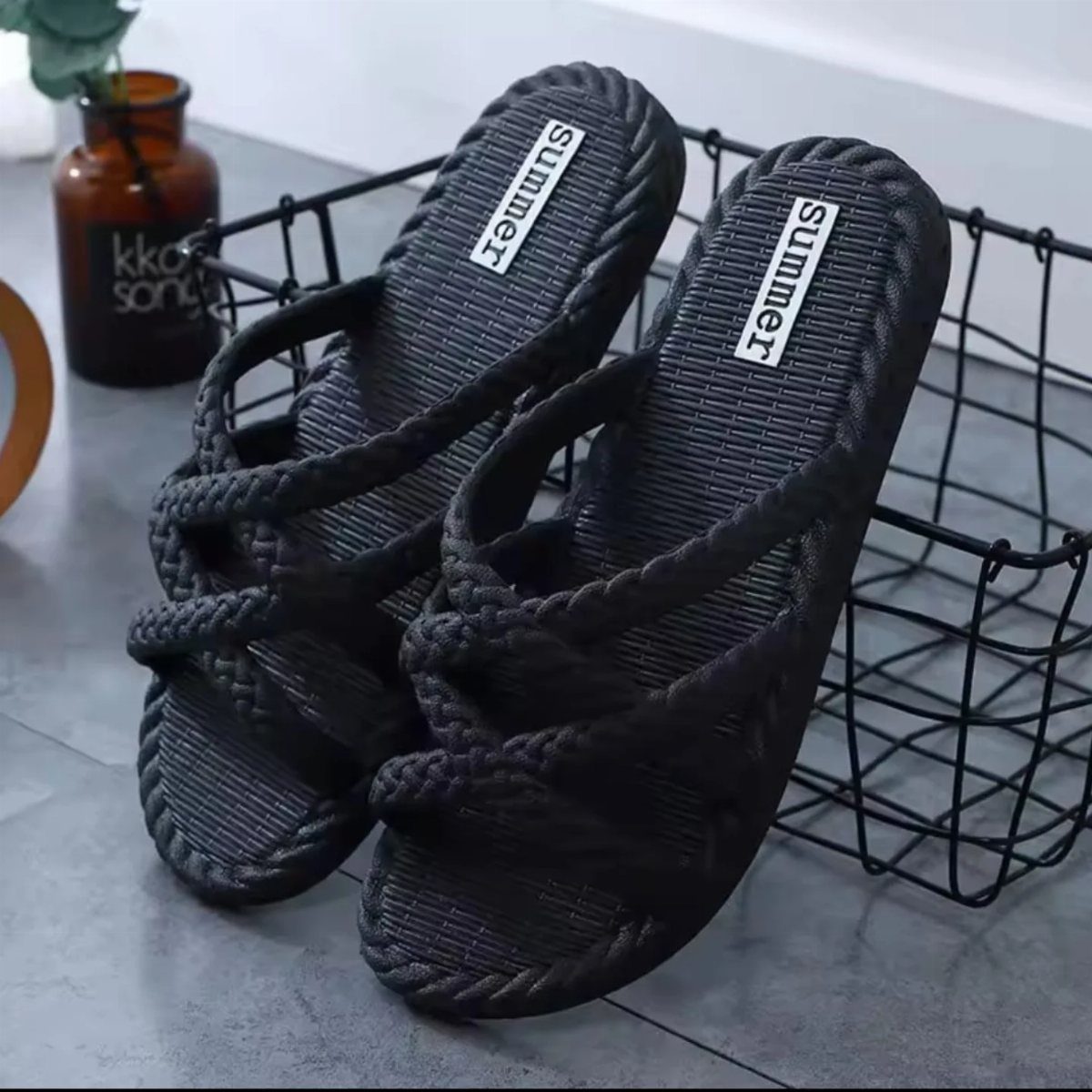
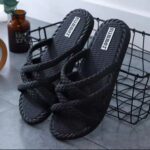
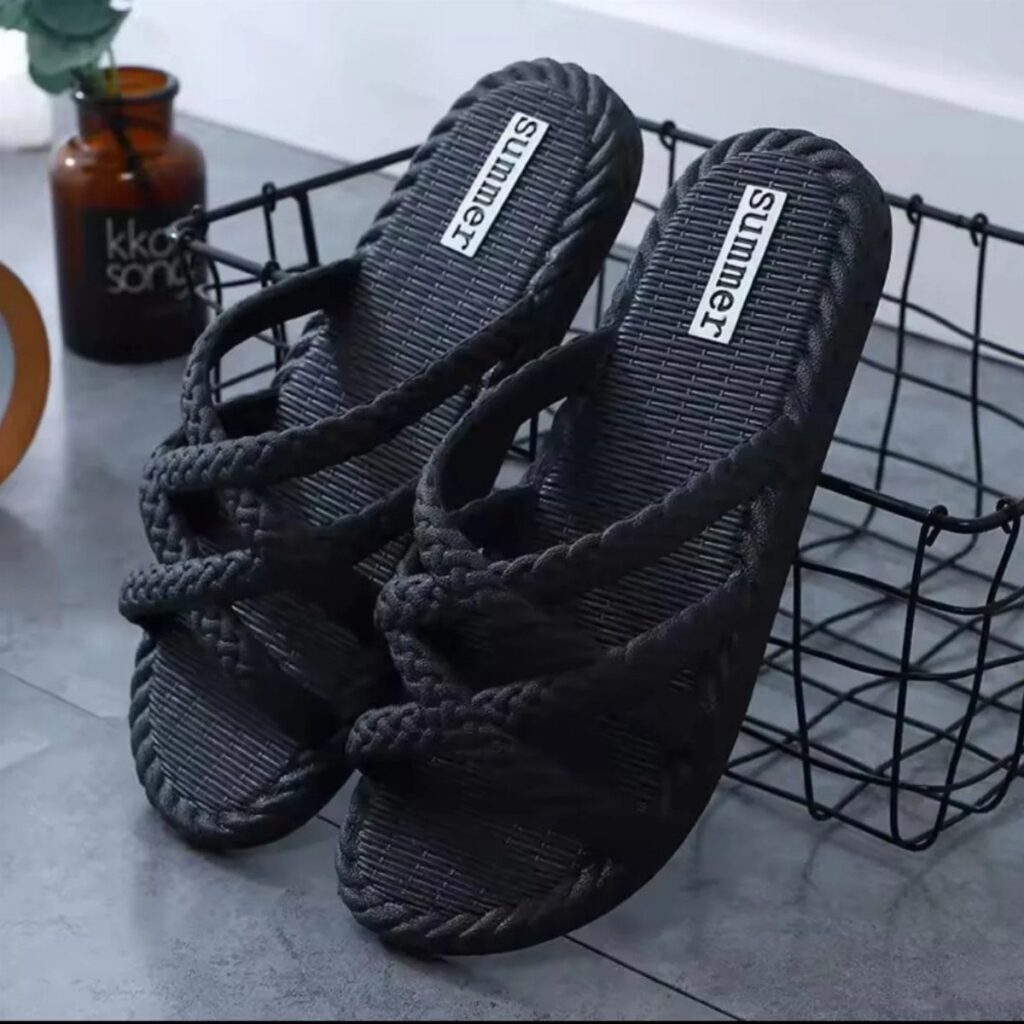
Braided straps distribute pressure across the top of the foot better than a single band that digs in as the day swells.
Black textured slides read as summer-neutral rather than athletic, which matters if you want one sandal for errands and casual dinner.
Check that the braid lies flat when the foot is in place; raised ridges can rub at the knuckle of the big toe.
The "Summer" footbed marking suggests these are labeled for seasonal use, but a textured sole with actual tread, as visible here, is what extends them into light walking on wet pavement.
I would want to know whether the braid is lined underneath; unlined raffia or jute softens and frays, and the break-in week can cost you skin.
Teva Tirra sandals are superb. Supremely supportive and comfortable and will cope with sightseeing, light hiking and are smart enough for the evening.
— Gransnet
Choosing the Right Sandals
Arch support, cushioning, and adjustability are the 3 factors that matter most for plantar fasciitis, but they interact in ways the labels do not always explain.
A sandal can have excellent arch support and still fail if the strap does not hold the foot against it; I look for a heel cup or back strap that keeps the arch from sliding away from the support with each step.
Adjustability matters more as the day goes on.
Feet swell from morning to afternoon, and a sandal that fit at 9 AM can compress the metatarsal heads by 3 PM. I buy sandals with at least 2 points of adjustment and loosen the forefoot strap after lunch.
The cost of replacing a sandal that seemed right in the store but never worked on pavement is higher than the markup for one with Velcro or buckle adjustability throughout.
Popular Brands
FitFlop, Teva, and Birkenstock come up repeatedly in discussions of supportive sandals, though they arrive at support through different means.
FitFlop uses a Microwobbleboard midsole that is thicker than standard; Teva relies on adjustable strapping and a Shoc Pad in the heel; Birkenstock shapes a cork footbed to a pronounced arch with a deep heel cup.
Each works for some feet and not others, which is why I hesitate to name one as the default.
I would try Birkenstock first if my arch pain is worst at the fascia insertion near the heel, since the deep cup stabilizes that area directly.
For pain centered at the ball of the foot or for walking on uneven ground, Teva’s padding and strapping give more control.
FitFlop’s density suits shorter walks on flat surfaces where the priority is cushioning over correction. Brand loyalty in this category is usually a matter of which foot shape the company happened to engineer for.
Foot Health Awareness
What this means for shoppers is that the category has expanded beyond the medical suppliers that once dominated it.
Retailers that built their business on fashion now stock sandals with biomechanical features, and the competition has improved the styling of formerly clinical options.
I watch for marketing that labels a sandal "orthopedic" without specifying whether the arch height, heel cup depth, or forefoot flexibility matches my particular symptoms.
The general awareness is useful only if it leads to a specific match; a supportive sandal that does not support your foot is still a mismatch, no matter how the category has grown.
Frequently Asked Questions
What is the best brand of sandals for women with plantar fasciitis?
FitFlop, Teva, and Birkenstock are the three that come up most often, though each works differently. Brand loyalty in this category usually traces back to which foot shape the company happened to engineer for.
Do Birkenstocks really help plantar fasciitis?
They help for some feet and not others, depending on where the pain sits. The footbed is rigid by design, which corrects alignment but can feel wrong if your arch is higher or lower than the standard mold.
What finally cured my plantar fasciitis?
Sandals cannot cure plantar fasciitis; they can only reduce strain on the fascia while you have the condition. For medical treatment, a podiatrist or physical therapist would need to assess your specific case.