These American made athletic shoes run from a $145 rebuildable New Balance to a made-to-order Opie Way court shoe, with the deciding factor being whether you need clinical-grade cushioning or hand-built specification.
The Medicare-certified SAS Journey and the hand-stitched Opie Way share domestic construction with the 990v6, but split on material, lead time, and who the shoe is shaped for.
1. New Balance 990v6
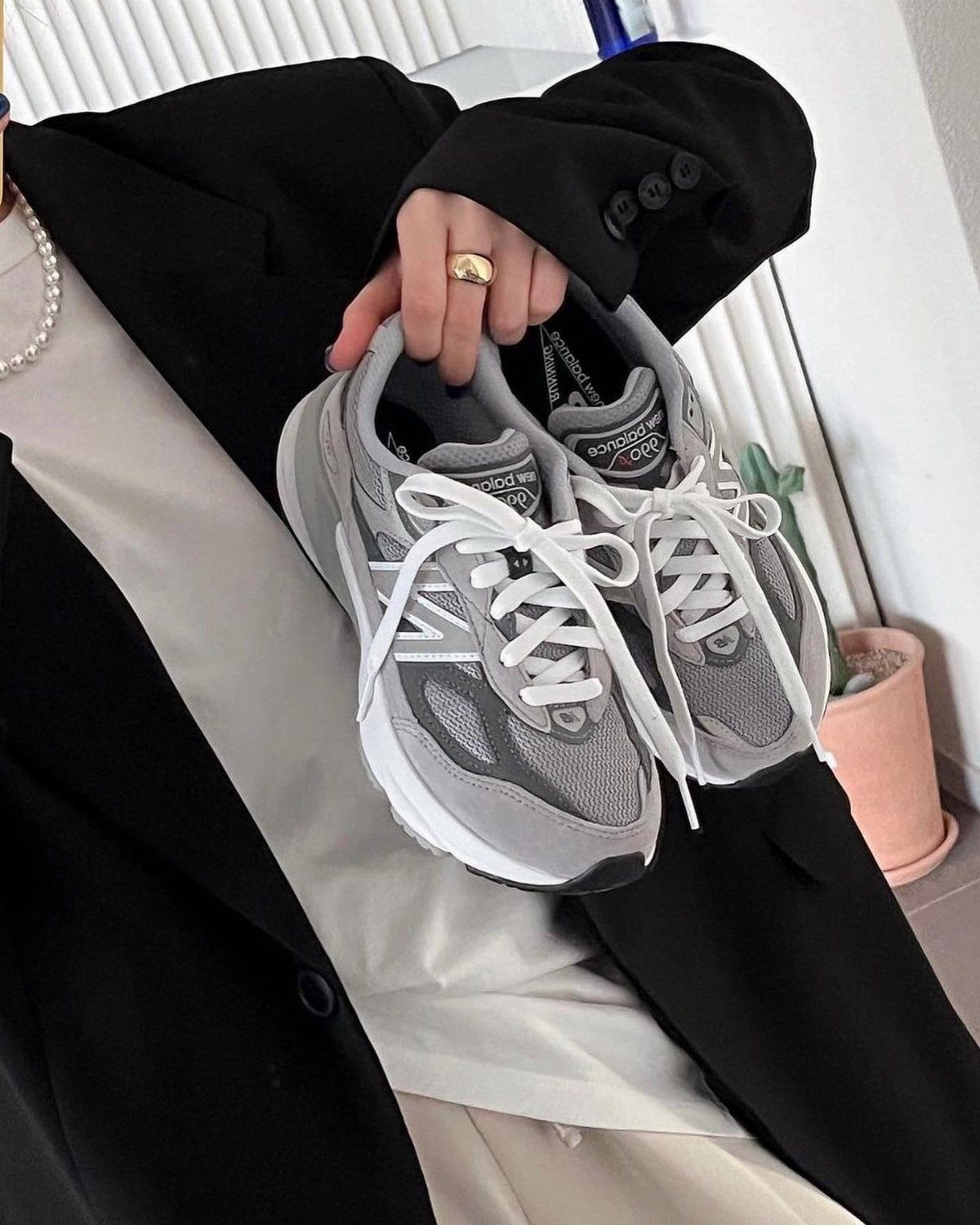
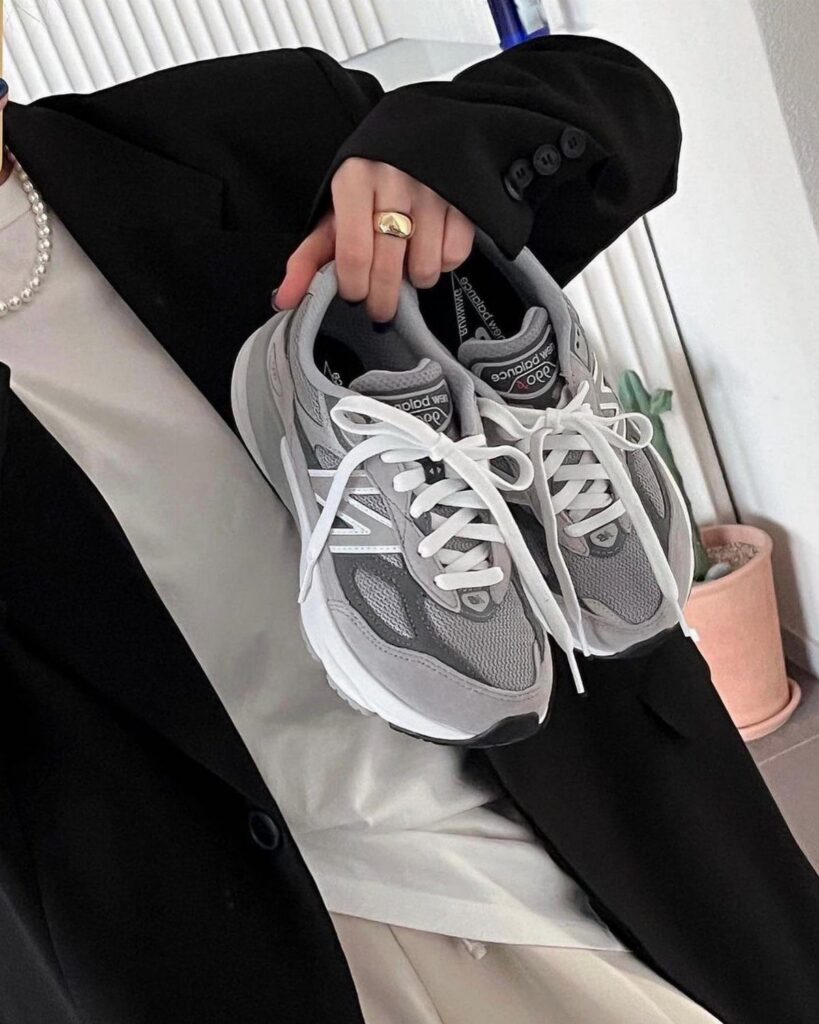
The New Balance 990v6 is made in Maine and Massachusetts, with the brand’s usual spread of widths from narrow to extra-wide.
That range matters more than most buyers expect; feet swell through a day of walking, and a shoe that fits in the morning can pinch by evening.
I would check the tongue tag before buying.
New Balance shifts production by model year, and the 1400 and 574 that were US-made in past seasons now come imported. The 990 line has held steady, but the "Made in USA" label on the heel is the detail to verify.
For all-day standing or travel, the firm midsole support keeps my own arches from aching on concrete floors.
2. SAS Journey Sneakers
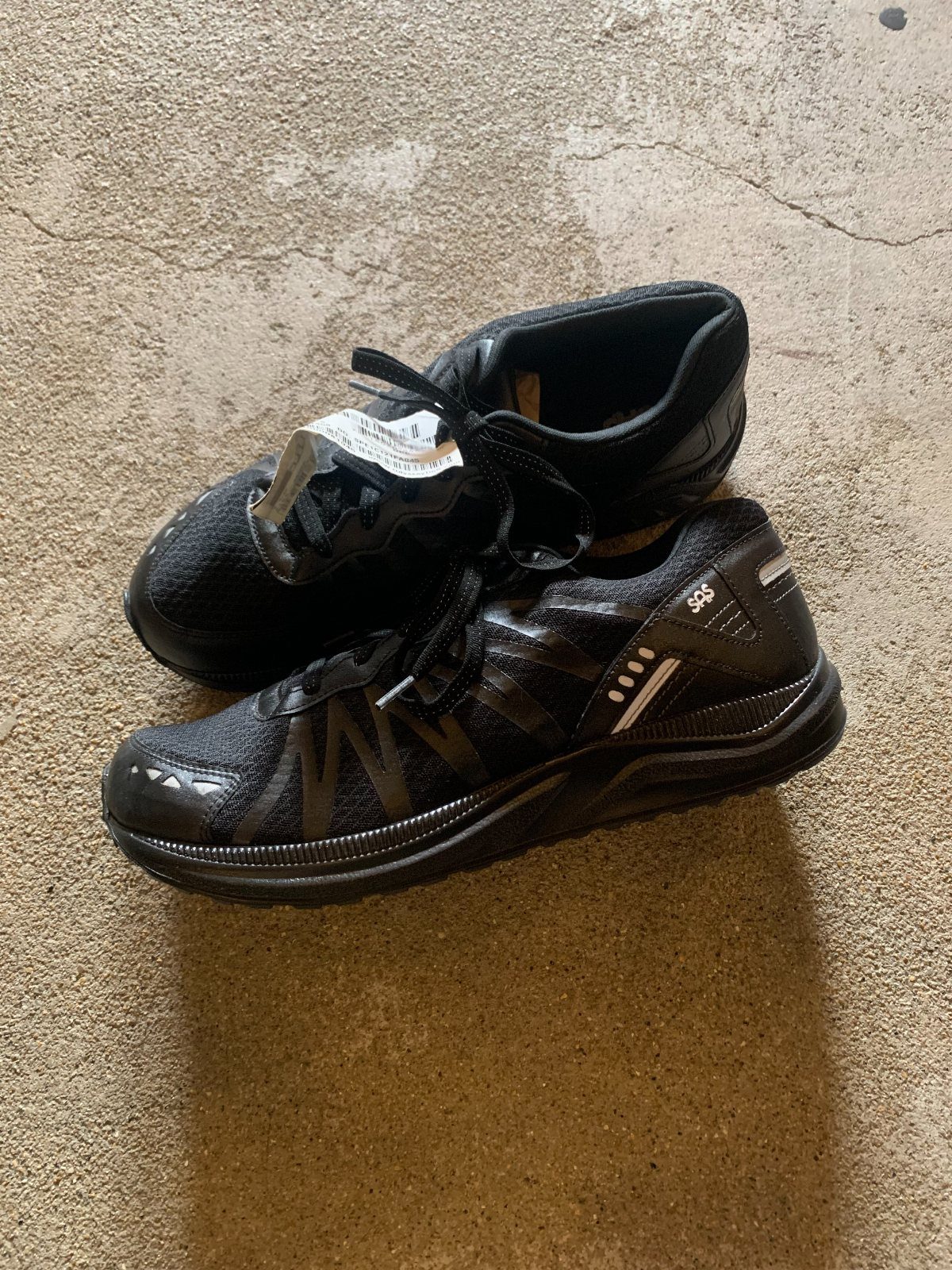
SAS builds its Journey sneakers in San Antonio, Texas, with a Medicare diabetic certification that comes from deep cushioning and an anatomical last rather than any added gadgetry.
The upper mixes leather with mesh panels, the footbed is PU, and the midsole is EVA foam: materials chosen for how they wear, not how they read in a product description.
The brand also makes boots, sandals, pumps, and walking shoes in the same factory, which suggests the construction holds up across categories. For buyers tracking where their money goes, that single Texas facility handles everything from cutting to boxing.
I would try these if standard athletic widths leave you with numb toes or heel slip, since the anatomical shaping addresses fit before padding compensates for it.
3. Opie Way Sneakers
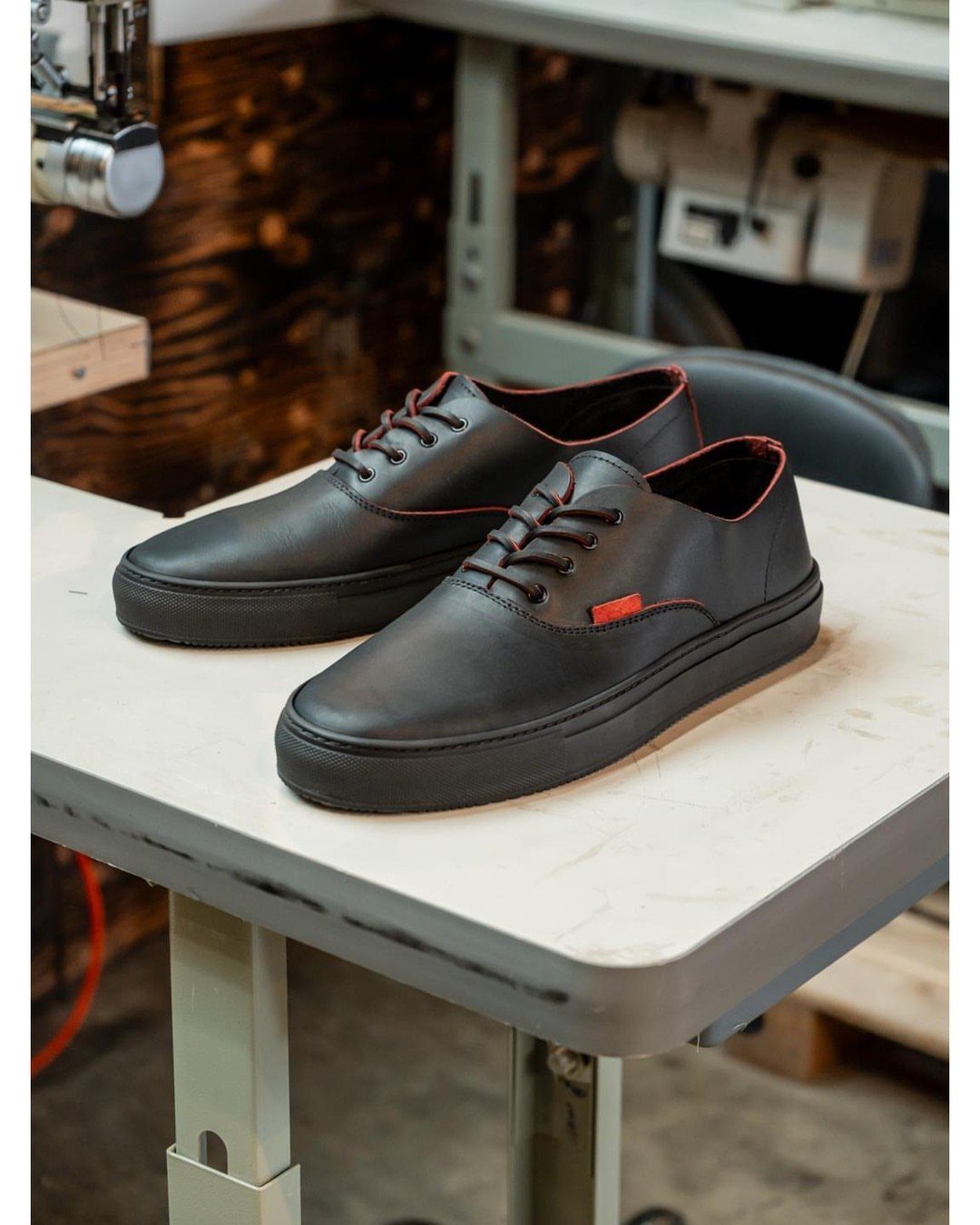
Opie Way stitches, lasts, and finishes each pair by hand in Asheville, North Carolina, using vulcanized rubber soles and leather uppers with no extra branding.
The result is a court shoe that looks like what athletic footwear used to be before logos grew to billboard size.
Because they are made to order, the lead time runs longer than mass production. The tradeoff is specification: you choose the leather, the lining color, and the laces, and the factory builds to that rather than pulling from warehouse stock.
I would order the James Court Lo in black with the red lining visible in their workshop photos; the color shows only at the collar and tongue, enough to matter without shouting.
4. Made in USA Heel Detailing
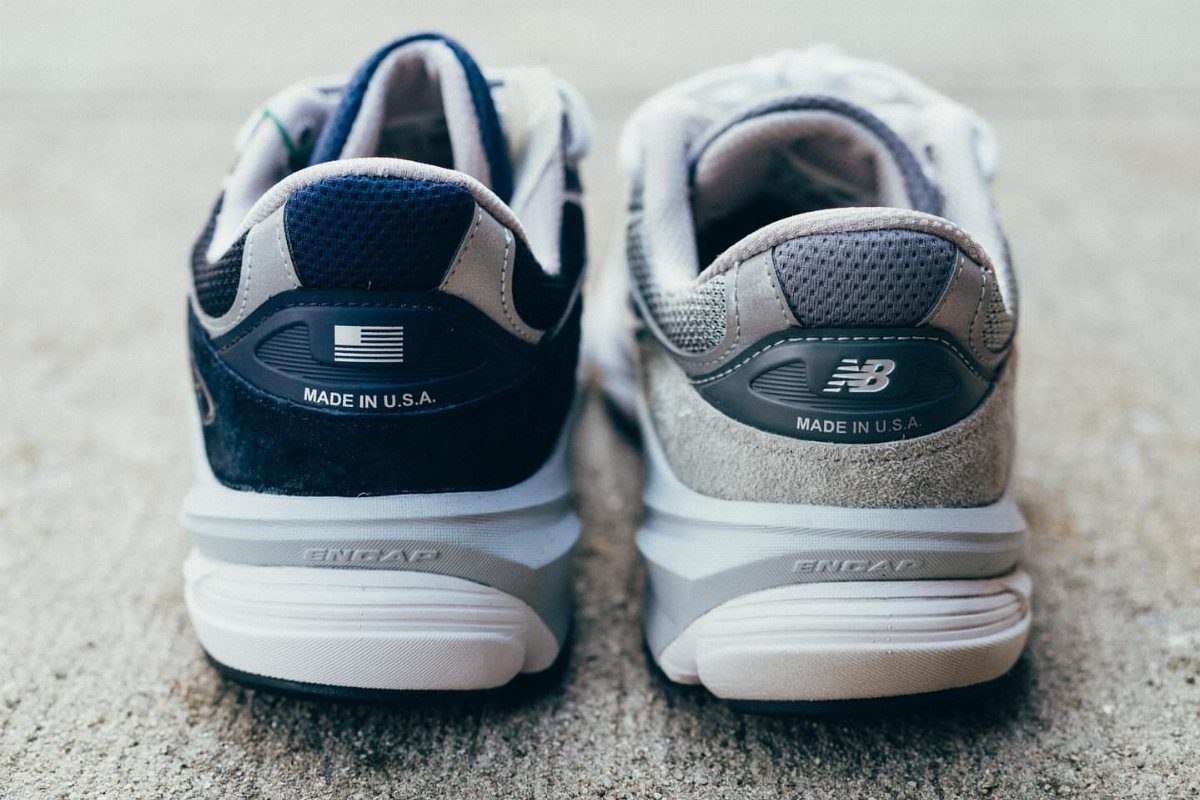
The heel of a US-made New Balance carries a small American flag badge beside the "MADE IN U.S.A." text, a detail that helps spot domestic production at a glance when tags are hidden or missing.
That marking also signals repairability. Welted construction, common in US-made dress shoes, allows resoling through factory programs rather than replacement.
Allen Edmonds charges around $145 plus shipping for a full rebuild; Red Wing Heritage and Alden offer similar services through their stores or authorized retailers. The cost-per-wear math shifts when a shoe can be rebuilt and resoled instead of discarded.
Check the heel before you buy. The flag badge is the quickest way to confirm you are looking at domestic production.
What Does ‘Made in USA’ Mean?
The FTC rule behind the "Made in USA" label is stricter than most buyers realize.
The FTC’s standard is ‘all or virtually all,’ which covers where the parts come from and where the shoe gets put together, not just where the box ships from.
"Assembled in USA" is the loophole some brands use instead; that label only means foreign components were put together domestically, and the distinction matters when you are checking tags.
New Balance learned this the hard way in 2021, when the company faced a lawsuit over US-labeled shoes that contained imported parts.
New Balance learned that lesson in 2021 and settled rather than fight; the message to every other brand was clear enough.
Leather, rubber, synthetics, and canvas should all trace back to US suppliers if the shoe is genuinely American-made rather than assembled here from overseas components.
Benefits of American-made Shoes
Domestic manufacturing carries labor and environmental standards that overseas production often avoids. American factories operate under wage and safety laws that are enforced rather than nominal, and the shorter supply chain cuts shipping emissions sharply.
The craftsmanship argument is harder to quantify but shows up in construction choices.
That durability matters because the sector itself is fragile.
Several American shoe brands are family-owned operations with single factories; SAS builds everything from boots to pumps in one San Antonio facility. These companies fold when sales slow, so a purchase that lasts supports the infrastructure directly.
Finding American-made Sneakers
Start with the heel badge.
Some of these smaller shops will rebuild a worn sole for less than a new pair costs, so it pays to ask before you hand over your money.
If the salesperson cannot explain how the shoe is built, the construction probably will not survive rebuilding.
Check width options carefully. Domestic makers like New Balance and SAS offer narrow through extra-wide sizing, which matters more than buyers expect; feet swell through a day of walking, and morning fit can pinch by evening.
A shoe shaped to an anatomical last, rather than padded to compensate for generic width, holds up longer.
For materials, leather and rubber sourced in the US support the claim more fully than globally sourced components assembled here. The tag may say either; the price and the factory’s transparency about sourcing usually reveal which is which.
Frequently Asked Questions
Is New Balance really made in the USA?
I check the tongue tag and the small flag badge on the heel before I buy, since New Balance moves production around by model year and lines that used to be domestic sometimes switch to imported.
Some components, like midsoles and foam, are imported, which is why the FTC sued the company in 2021 over labeling.
What are the best American-made sneakers?
New Balance, SAS, and Opie Way are the brands covered here that manufacture athletic shoes in the US.
New Balance offers the widest range of widths and the most established running heritage; SAS builds in San Antonio with Medicare-certified diabetic cushioning; Opie Way hand-stitches court shoes in Asheville to custom specifications.
The best choice depends on whether you need width options, medical-grade support, or made-to-order leather construction.
Are any shoes still made in the USA?
Yes, though American-made shoes are rarer than advertising implies.
SAS handles cutting through boxing in one San Antonio facility. Smaller makers like Opie Way work on a slower, made-to-order scale.
The honest count of brands with actual domestic factories is small, and "Made in USA" on the label requires verification since some companies use imported parts under "Assembled in USA" claims.