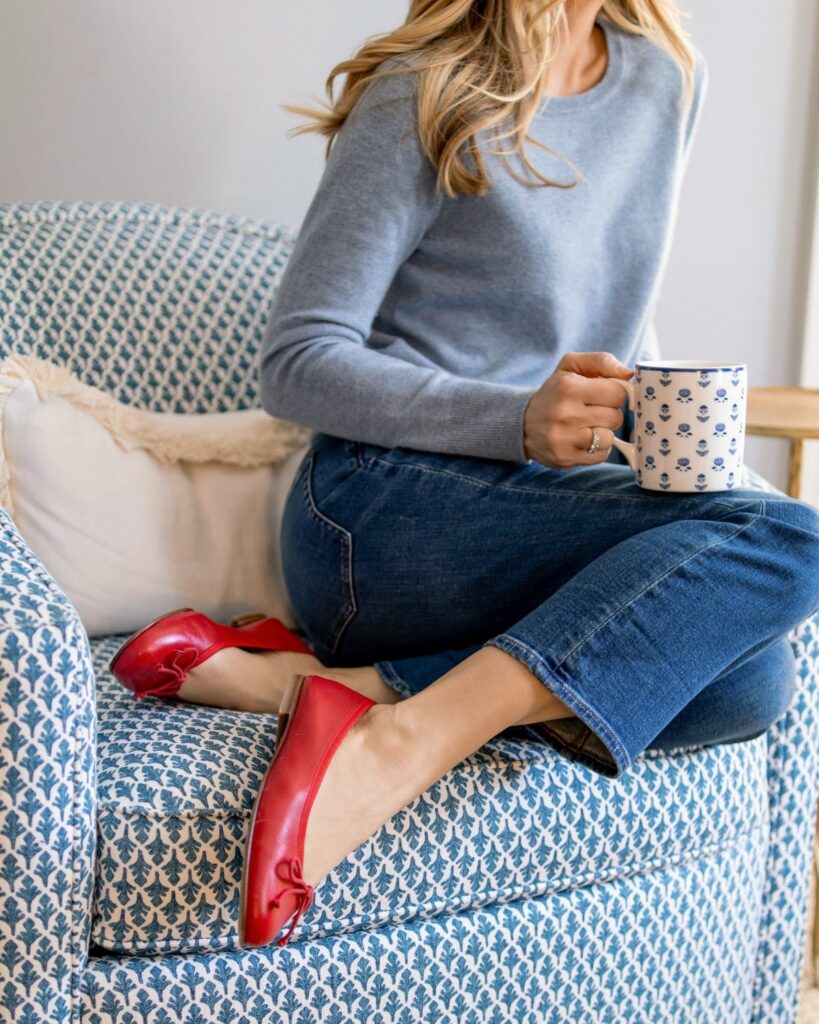
These flats run from Skechers you can grab at the mall to made-to-order Margaux, with the split between them coming down to how much of your day you spend on your feet versus how formal the room is.
Rubber outsoles and arch support carry the commuter and the all-day stander; pointed toes and leather win the meeting you sit through.
1. Margaux Flats
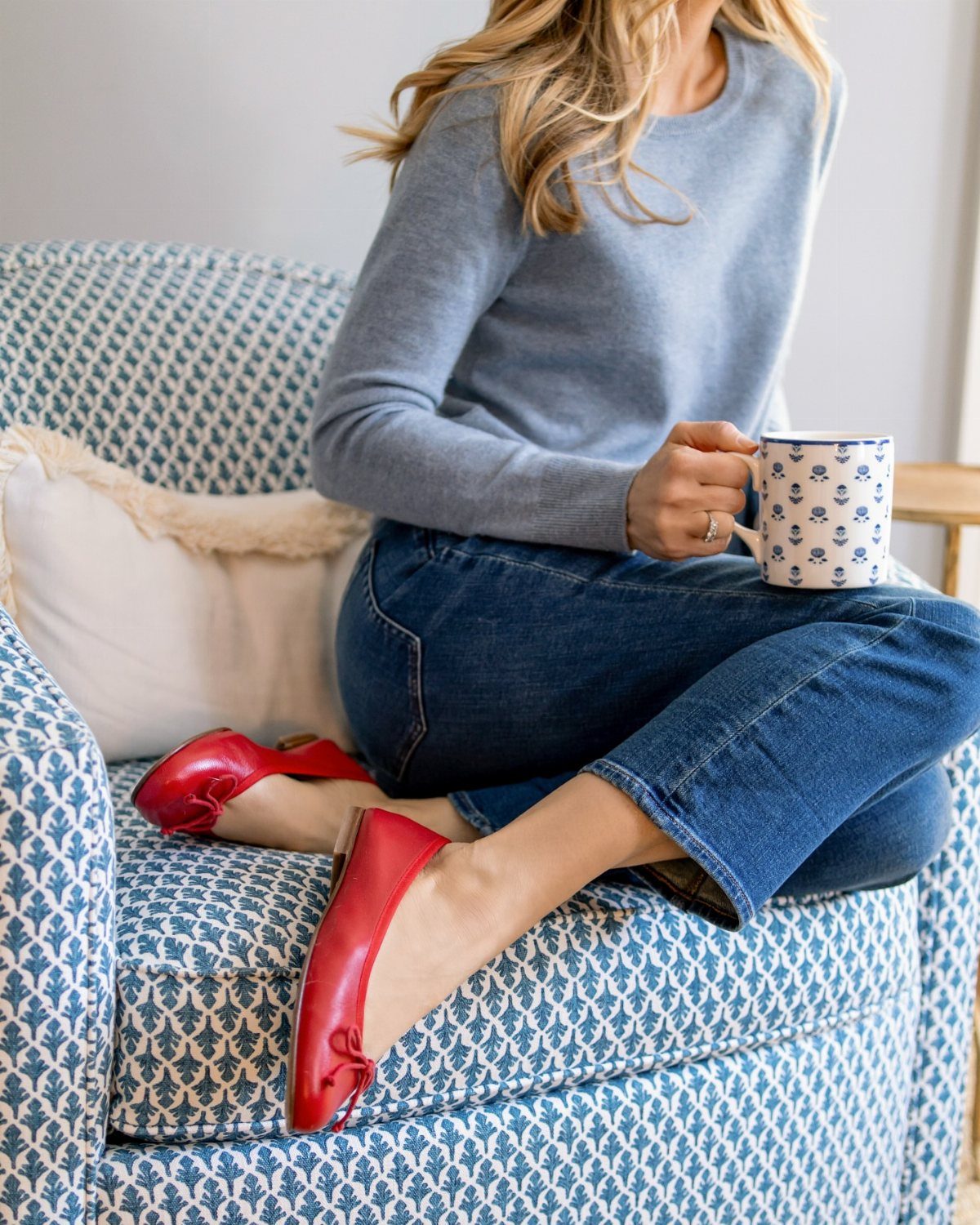
Margaux The Demi flats earn their price in the details that matter for all-day wear: 5 mm of foam underfoot and a low profile that stays put without extra hardware.
Italian leather uppers soften quickly, and the little heel gives just enough lift for walking to lunch or standing through a meeting.
Sizes run 3 to 13 with narrow, medium, and wide options, though some widths are made-to-order and take longer to arrive. I would size for the width first, since the leather has enough give that length matters less.
2. Flats with Rubber Outsoles
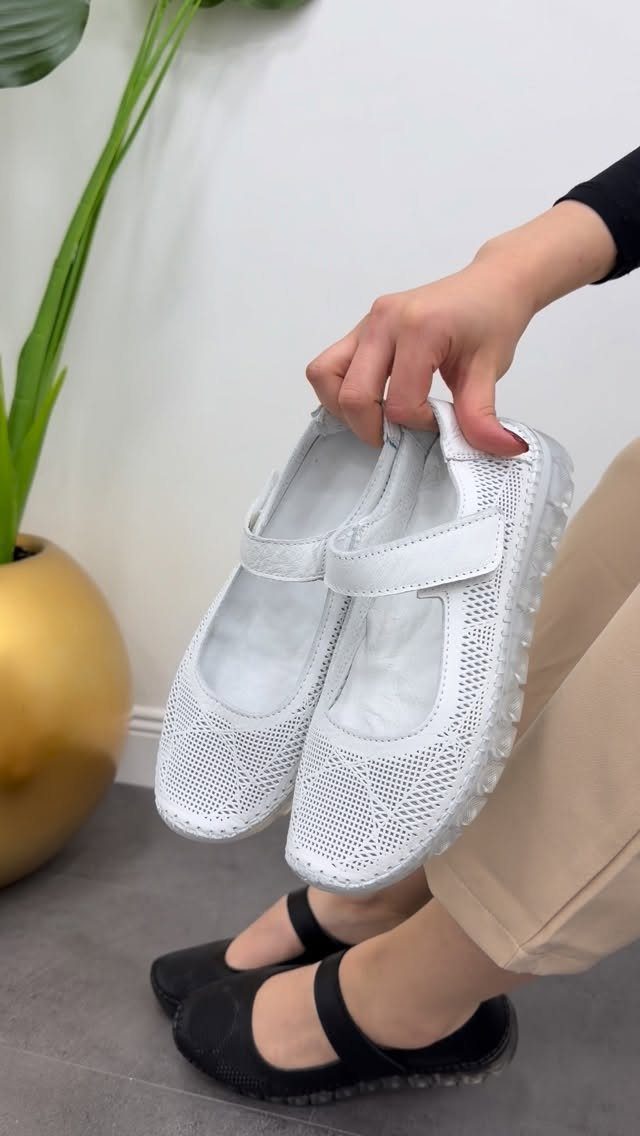
Rubber outsoles separate walking flats from dress flats that only look the part. A rubber outsole with real traction, arch support, and a toe box that does not pinch borrows from sneaker construction without looking like one.
Perforated uppers let air through on hot sidewalks while the rubber outsole still grips where slick-soled ballet flats would slide.
These trade some polish for function, which is the right call if your commute includes uneven sidewalks or you are on your feet all day.
3. Skechers Ballet Flats
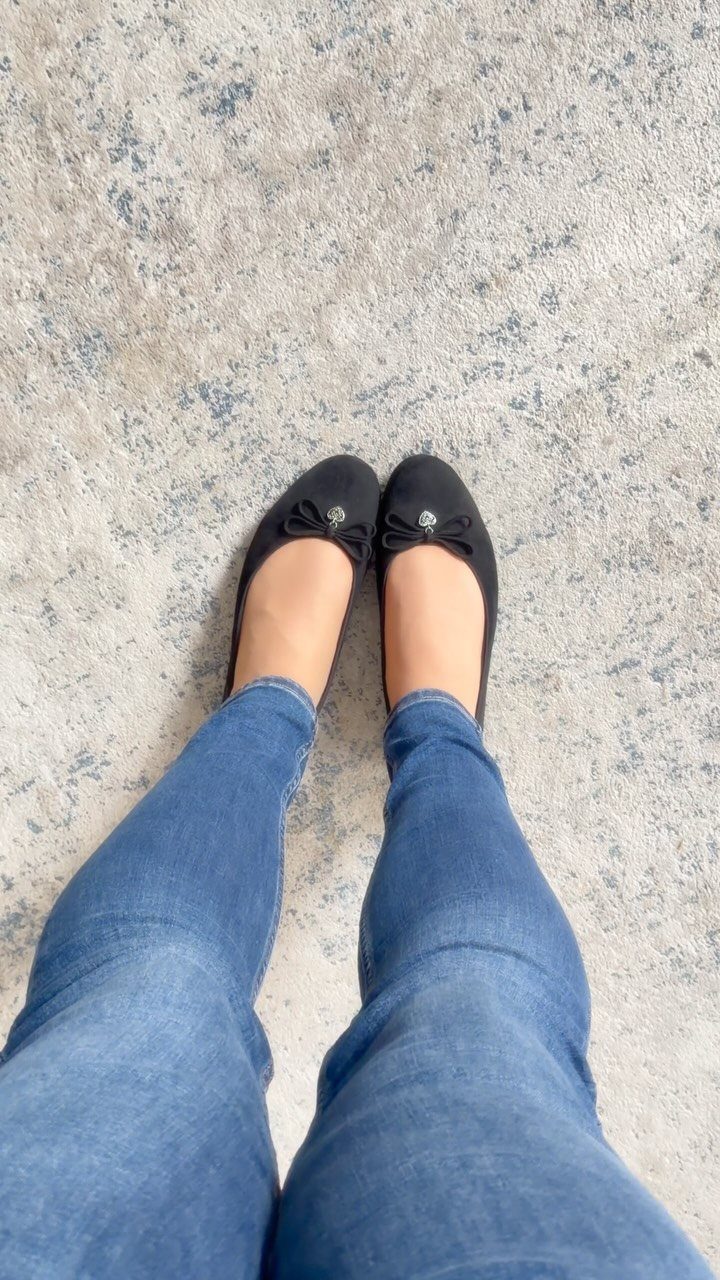
Skechers makes a rounded-toe flat with a small bow and soft enough lining that my mother keeps several pairs for hiding bunions; the newer ones add silver heart charms that I could do without.
Fabric uppers have limited stretch, so buy your usual size rather than sizing down.
Colors stay muted and minimal. Check the fit across the ball of the foot first; that is where the lack of give shows up.
4. Rothy’s the Point
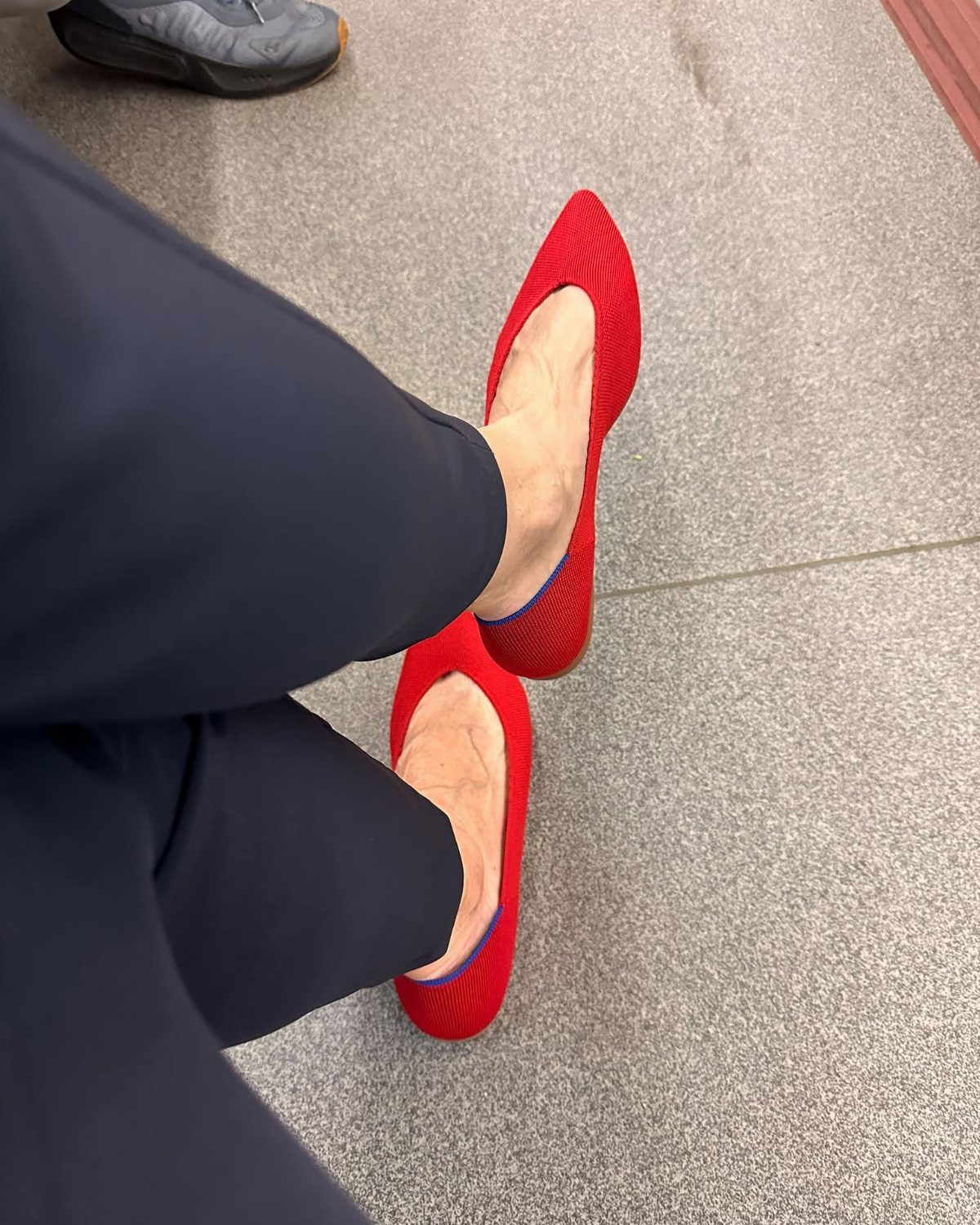
Rothy’s The Point II flats are knit from recycled bottles into a machine-washable shoe, which solves the problem of city grime on light colors.
The knit molds to the foot without a break-in period, and a cushioned insole holds up under serious walking.
Pointed toes read dressier than a classic ballet flat, so these work for offices that expect neatness without heels. I would throw them in a cold wash with the insoles removed, then air-dry.
5. Banana Republic Leather Pointed-Toe Flats
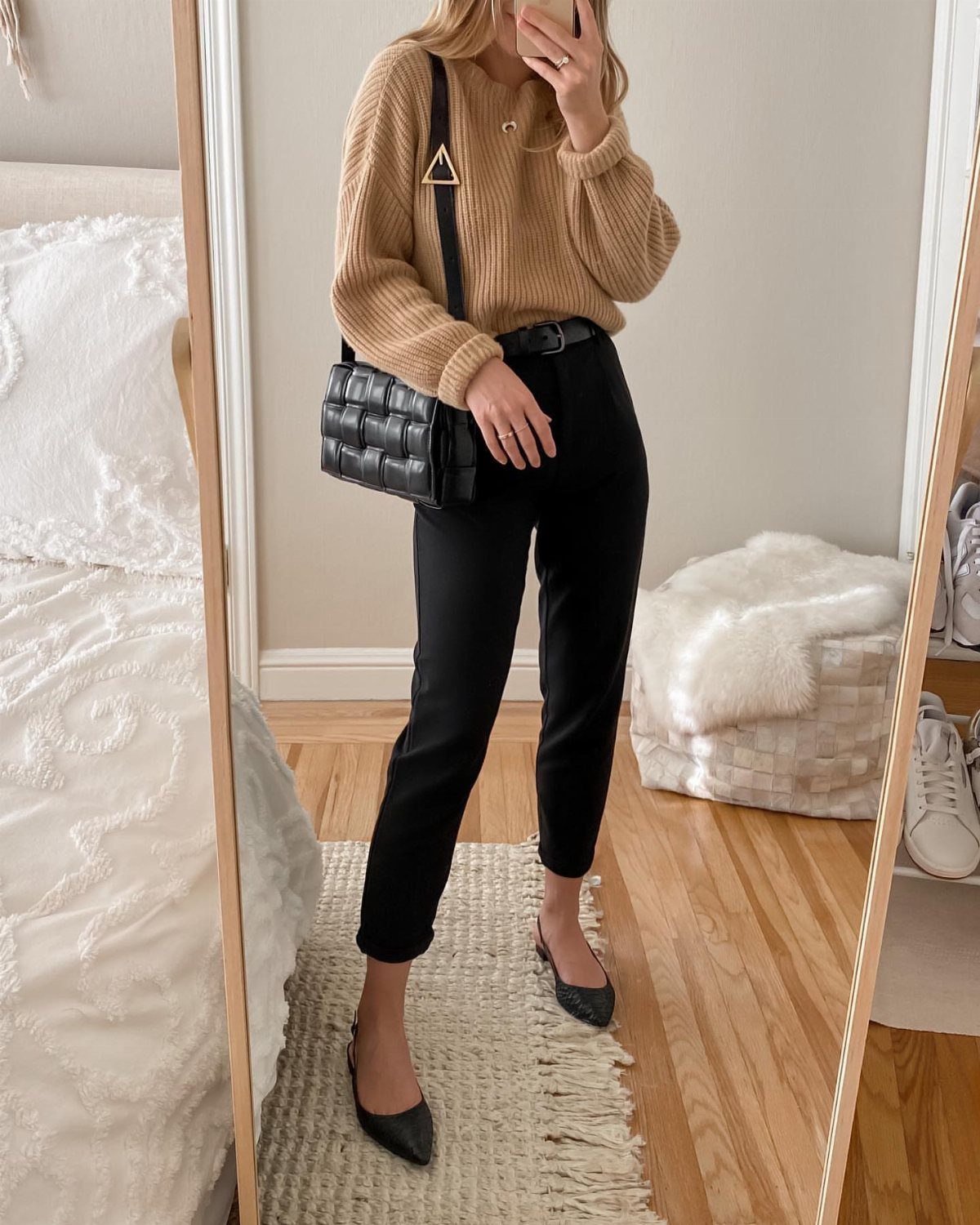
Banana Republic’s leather pointed-toe flats bridge the gap between client meetings and weekend errands without a shoe change.
The 100% leather upper and skid-resistant outsole address the two complaints that usually kill pointed flats: pinching at the toe and slipping on polished floors.
A stable heel and breathable lining keep them wearable past dinner. These are the pair to grab when your day has no single dress code.
Advice for Choosing Flats
Flexibility, cushioning, and fit are the 3 things that actually make a flat wearable past noon.
Fabric or elastic uppers give more give from day one; leather starts stiffer but molds to the foot once broken in. Since flats do not offer much built-in support, cushioned insoles matter more than they do in heels.
Styles with removable insoles let you add your own orthotics or a thin supportive insert, which Dr. Pourziaee calls one of the easiest upgrades.
Fit decisions should start with brand-specific size measurements and reviews. Room in the toe box matters, but flats that run big or stretch out will start slapping your heel with every step, and that friction builds fast.
When you fall between sizes, going down usually holds the foot better than going up. Rotating pairs matters too; wearing the same unsupportive flat daily accelerates foot fatigue faster than the shoes themselves wear out.
Flats for Specific Needs
For plantar fasciitis, Vionic partners with podiatrists to develop biomechanical footbeds specifically for pain relief. The Australian brand builds orthotic-level support into styles that do not read clinical, which matters if your office leans formal.
Travel flats need the same cushioning and arch support as daily pairs, with the added test of airport security lines and cobblestone.
A knit upper like Rothy’s packs flat and washes clean of city grime; rubber outsoles grip where slick dress soles slide.
For bunions, a rounded toe and soft lining keep the joint from showing or rubbing; fabric uppers do not give much, so your normal size is less risky than sizing up.
A flat that actually helps a foot problem usually does not announce itself on the label. Check whether the insole is removable, whether the toe box tapers, and whether the outsole bends where your foot does.
Breaking in Flats
Leather flats reward the break-in period that knit and fabric skip entirely. The material is more restrictive when new, but once it softens it bends with the foot and holds that shape.
Italian leathers like those in Margaux’s Demi soften faster than heavier grades; the low profile and minimal hardware mean fewer rigid points to fight against.
Speeding the process rarely helps.
Wear them for short stretches indoors, let them rest, repeat. Forced methods stretch the leather unevenly and distort the fit you paid for.
If a flat still pinches after a week of patient wear, the last is wrong for your foot; no amount of breaking in fixes a toe box that tapers where your foot does not.
A half-size up with an added insert can rescue a pretty pair that runs narrow, but this works only where the shoe has enough structure to hold the insole without slipping. Some upgrades are easier than others.
Frequently Asked Questions
Are flats comfortable for all-day wear?
A flat can carry you through a full day if the arch support is actually shaped to a foot and not just printed on the insole.
Flats with cushioned footbeds, flexible soles, and proper arch support reduce fatigue over long stretches. Materials like soft leather or knit uppers let your feet move naturally, and choosing the right width matters as much as length.
What should I look for in comfortable flats?
Look for arch support, a cushioned insole, a toe box wide enough for your foot to spread, and a heel that stays put. If the insole comes out, you can swap in a metatarsal pad or thin supportive insert later.
How long can I wear LifeStride flats?
LifeStride puts its flats through wear testing that clocks past a million steps; at about 5,000 steps daily, that is roughly six and a half months before the cushioning goes flat.