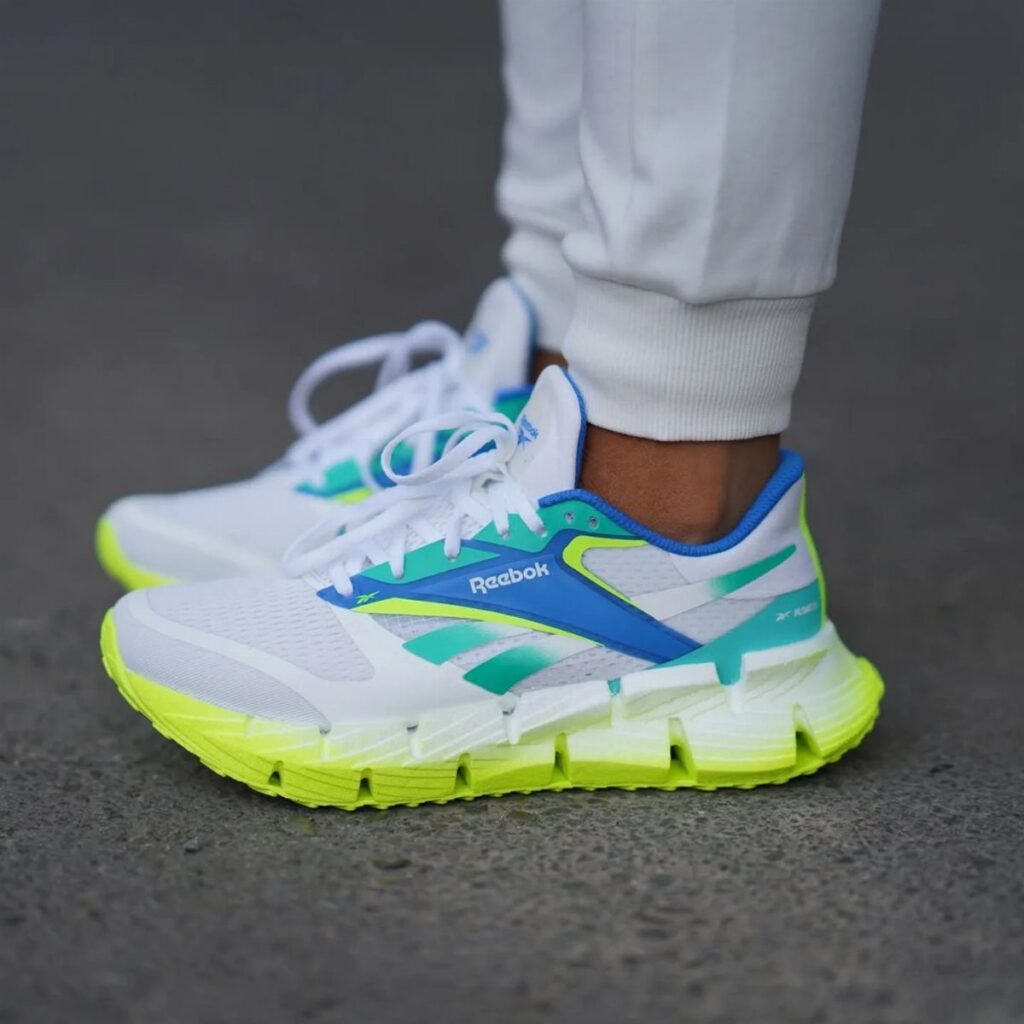
The 3 shoes below are all budget-friendly starting points, with the deciding factor being how much cushion you want underfoot while you figure out whether running sticks.
Decathlon’s firm MFOAM midsole suits runners who want ground feel, while thicker foam elsewhere on the list helps those still learning to absorb road impact.
My own lazy forefoot strike came from staying in soft shoes too long, which is why each entry here carries a clear exit point.
1. Decathlon Shoes
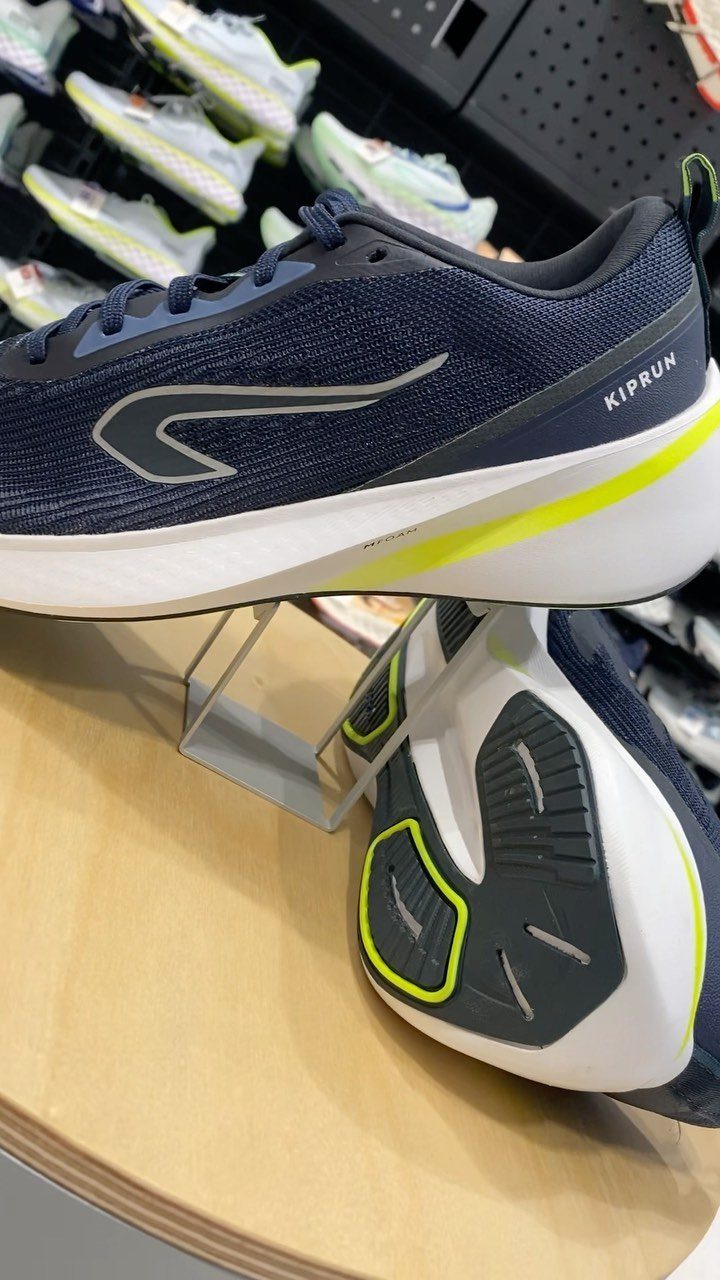
Decathlon’s Kiprun line gives beginners a real entry point without the usual markup for a swoosh you recognize from billboards. Decathlon labels their tech straightforwardly, nothing hidden behind lifestyle marketing.
I started my own running in a pair like these, back when I wasn’t sure I’d stick with it. The MFOAM midsole is firm enough for short road runs and forgiving enough when your form is still a mess.
What you’re trading is the hand-holding of a specialty shop fit; go half a size up from your casual shoe and expect to lace them snug through the midfoot.
For a first 5K training block or a couch-to-5K program, this is the buy that lets you decide if running is your thing before you commit to the sport’s usual price tags.
2. Cushioned Running Shoes
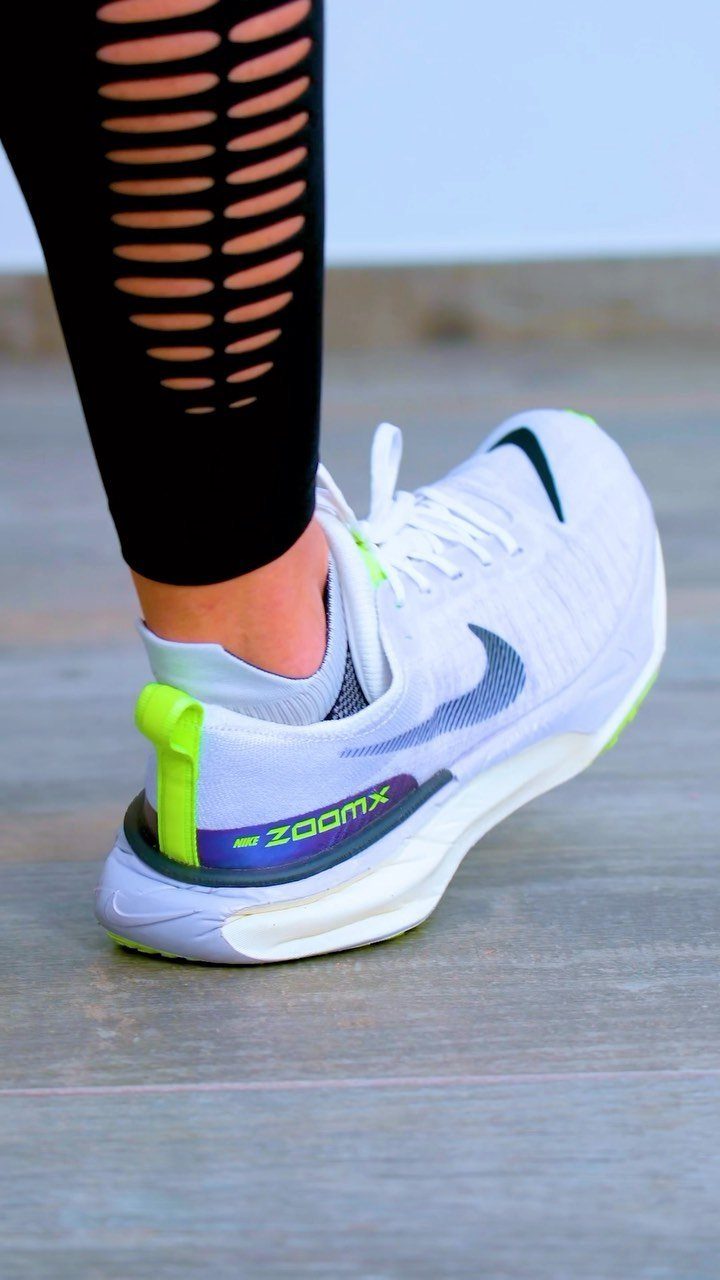
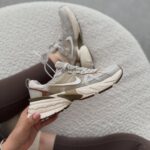
A thick-soled cushioned trainer like the Nike ZoomX is what most coaches now suggest for week one, not the stripped-down racers they used to hand newer runners. The extra foam buys you time while your legs learn to absorb impact.
The move is to start here, then reassess. Once you can hold a conversational pace without your calves screaming, that’s the window to think about switching to something firmer and more responsive.
I stayed in cushioned shoes too long myself and developed a lazy forefoot strike that took months to correct.
For a true beginner, the softness masks sloppy form. Treat these as training wheels with a timer on them, not the shoe you’ll run in forever.
Avoid running in old shoes, as it can increase your risk of injury which can cost money down the road in medical bills. Create a relationship with your local running specialty shop and talk to them about your situation.
3. Reebok Running Shoes
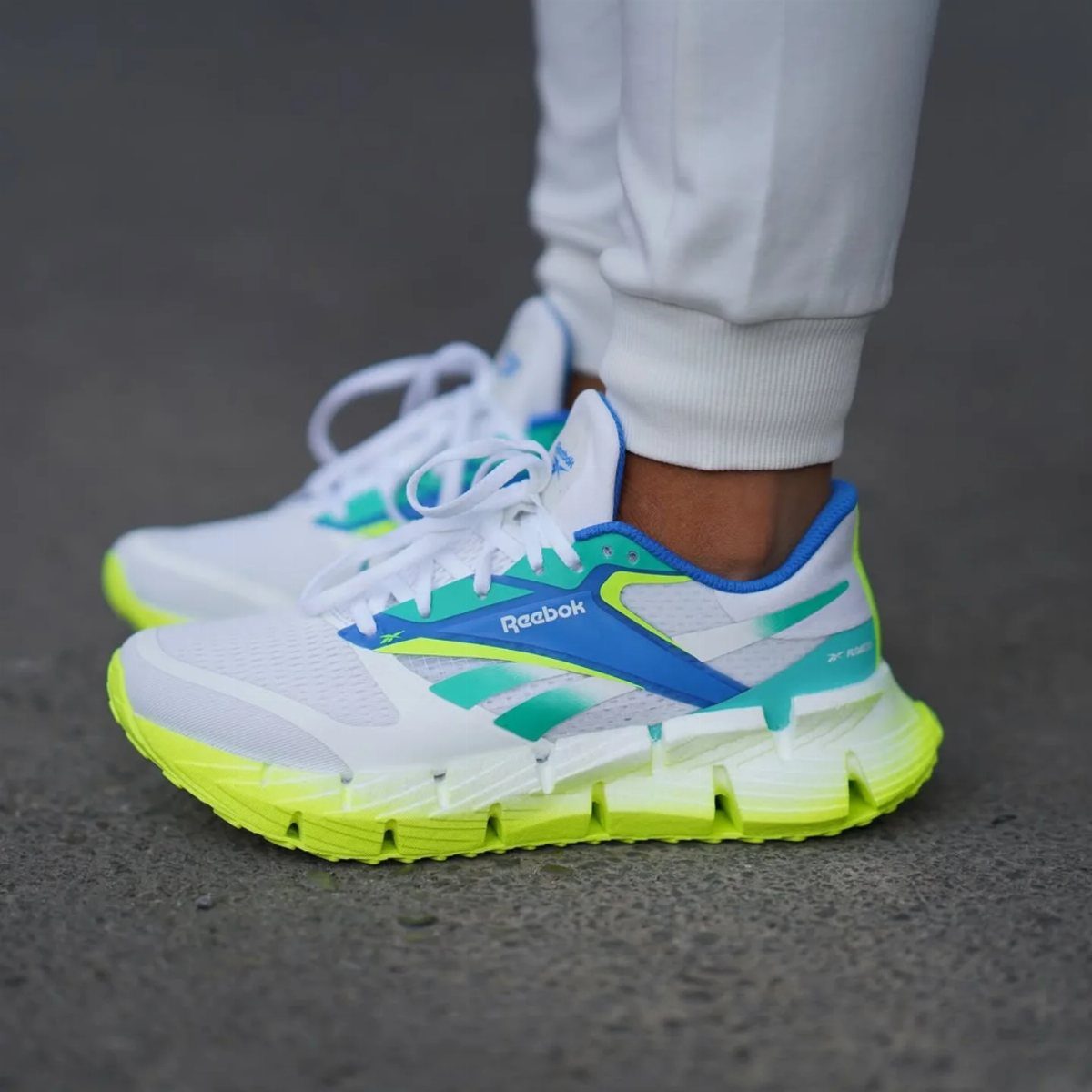
Reebok’s running line sits in a narrow space: proper running construction at prices that usually land well under the big three.
That clean color blocking is typical of Reebok, sharp enough to double as a gym shoe without looking like you borrowed from a marathoner.
Reebok still distributes directly in some markets, and their outlet channels and select retailers stateside run cheaper than you would guess from the specs. At that point you’re competing with sale racks from last season’s Asics, not with full-price anything.
The practical limit is longevity. I got noticeably fewer miles from a pair of Reebok Floatride Energy before the outsole went smooth than my usual rotation delivers.
For a beginner clocking modest weekly mileage, that’s still a full season of use before you need to think about replacement.
Frequently Asked Questions
What is the best running shoe for a beginner?
Most coaches now suggest starting with a cushioned trainer that has a thick midsole; the Nike ZoomX is the example I see cited most often for week one.
That extra foam lets your legs learn impact absorption gradually while weekly mileage stays low.
What is a good cheap running shoe?
Reebok’s running line lands well under the big 3 on price, with proper running construction and color blocking sharp enough for the gym. Outlet stock and certain US retailers price these lower than the spec sheet implies.
The outsole wears faster. My Reebok Floatride Energy went smooth noticeably sooner than my usual rotation manages, though a beginner’s modest weekly mileage still stretches that across a full season.