These American made athletic shoes run from a $145 rebuildable New Balance to a made-to-order Opie Way court shoe, with the deciding factor being whether you need clinical-grade cushioning or hand-built specification.
The Medicare-certified SAS Journey and the hand-stitched Opie Way share domestic construction with the 990v6, but split on material, lead time, and who the shoe is shaped for.
1. New Balance 990v6
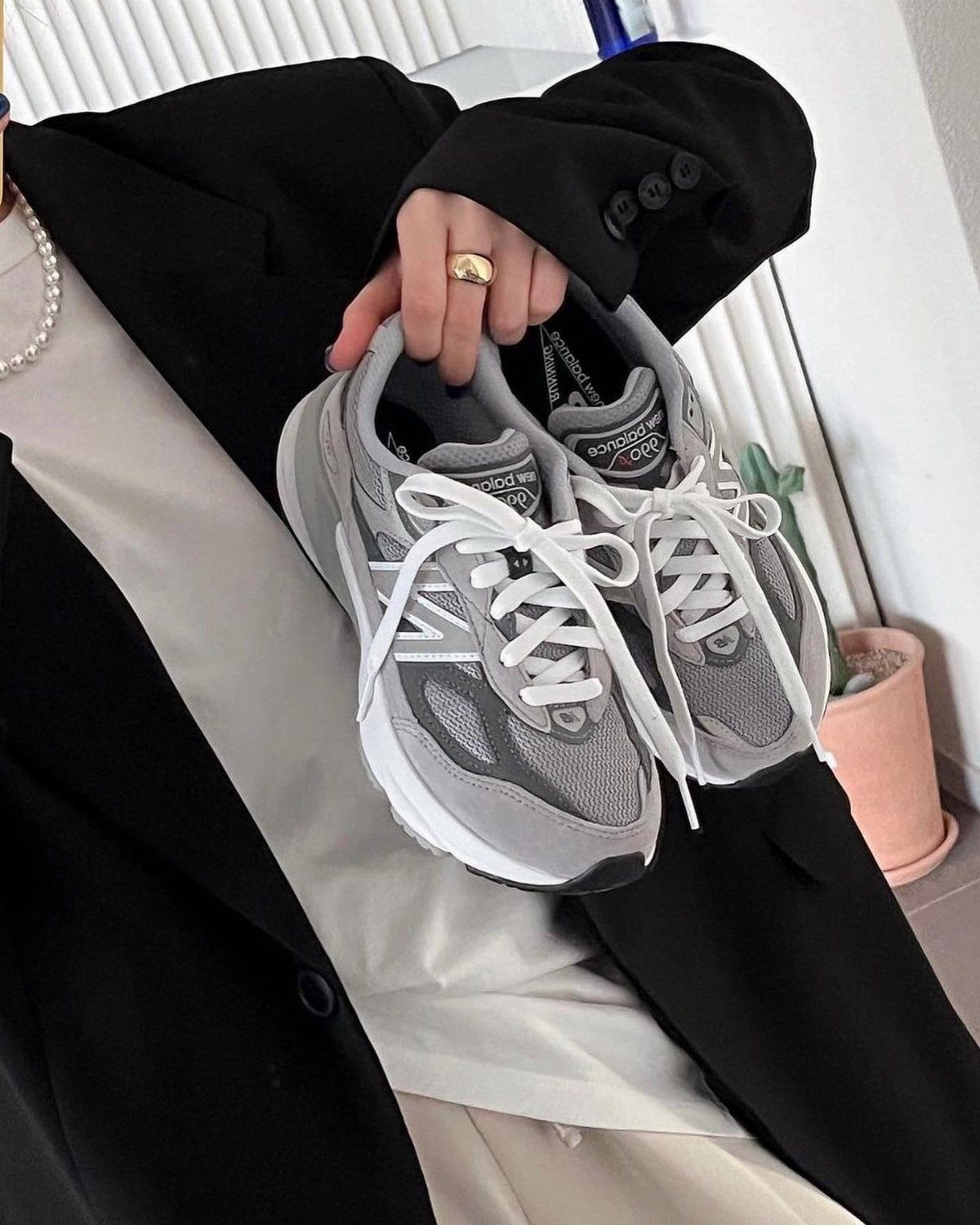
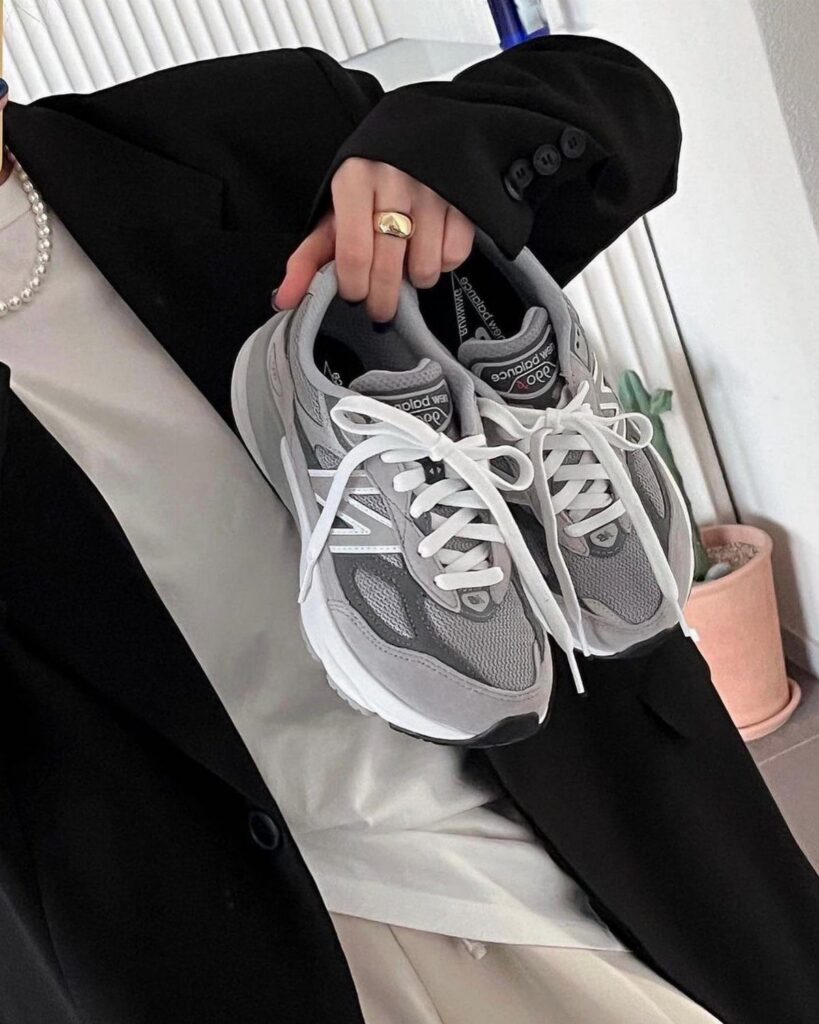
The New Balance 990v6 is made in Maine and Massachusetts, with the brand’s usual spread of widths from narrow to extra-wide.
That range matters more than most buyers expect; feet swell through a day of walking, and a shoe that fits in the morning can pinch by evening.
I would check the tongue tag before buying.
New Balance shifts production by model year, and the 1400 and 574 that were US-made in past seasons now come imported. The 990 line has held steady, but the "Made in USA" label on the heel is the detail to verify.
For all-day standing or travel, the firm midsole support keeps my own arches from aching on concrete floors.
2. SAS Journey Sneakers
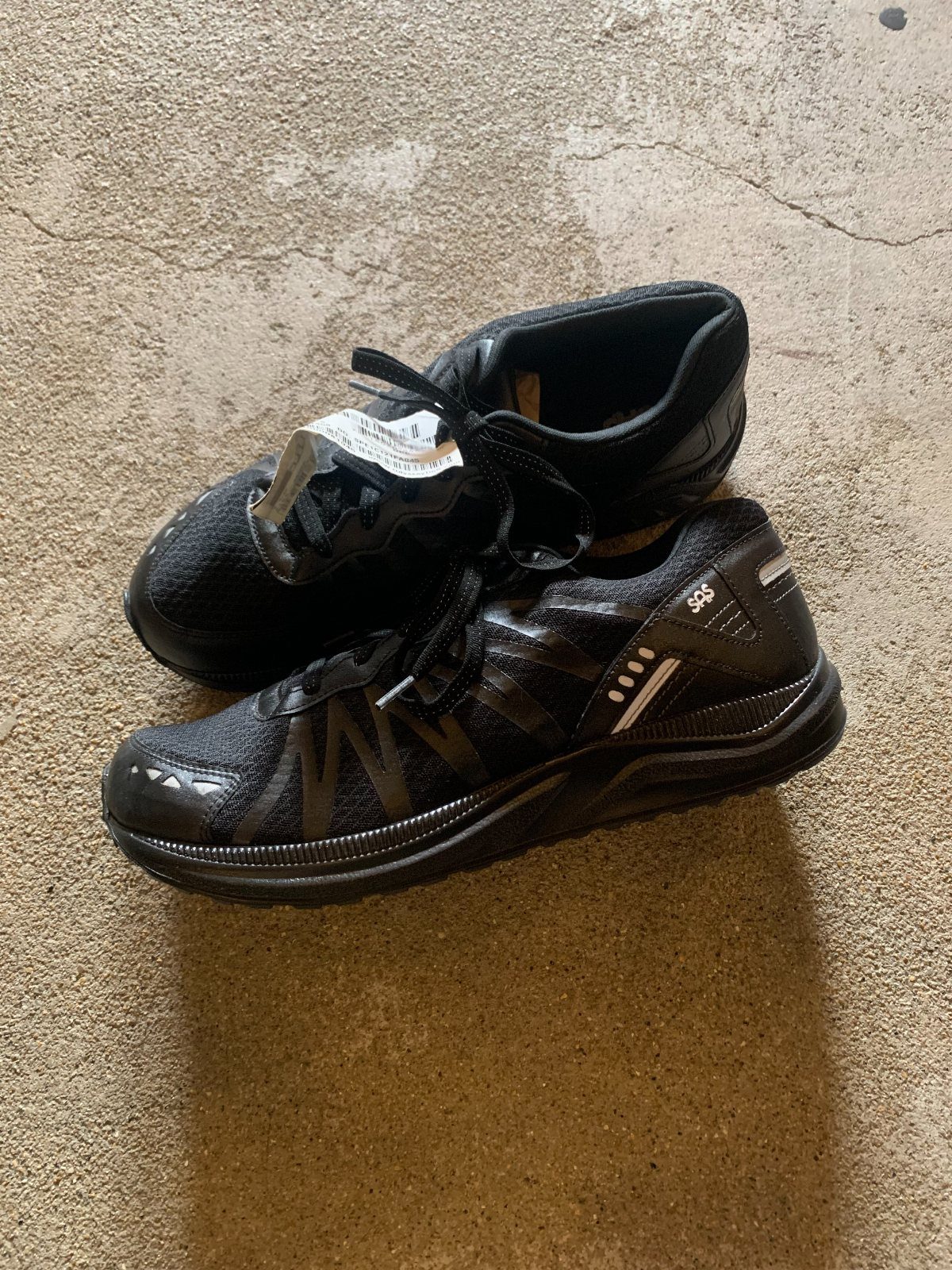
SAS builds its Journey sneakers in San Antonio, Texas, with a Medicare diabetic certification that comes from deep cushioning and an anatomical last rather than any added gadgetry.
The upper mixes leather with mesh panels, the footbed is PU, and the midsole is EVA foam: materials chosen for how they wear, not how they read in a product description.
The brand also makes boots, sandals, pumps, and walking shoes in the same factory, which suggests the construction holds up across categories. For buyers tracking where their money goes, that single Texas facility handles everything from cutting to boxing.
I would try these if standard athletic widths leave you with numb toes or heel slip, since the anatomical shaping addresses fit before padding compensates for it.
3. Opie Way Sneakers
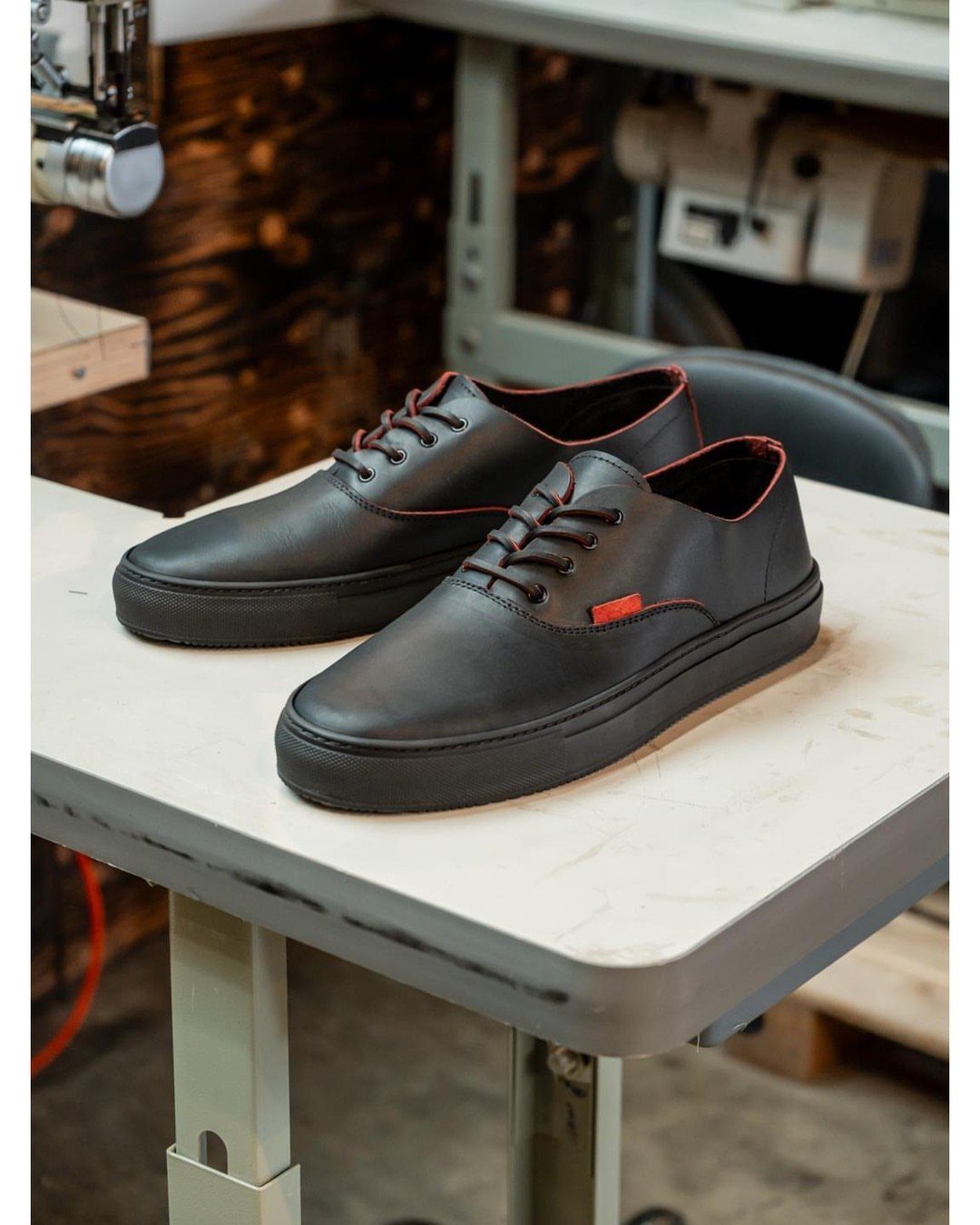
Opie Way stitches, lasts, and finishes each pair by hand in Asheville, North Carolina, using vulcanized rubber soles and leather uppers with no extra branding.
The result is a court shoe that looks like what athletic footwear used to be before logos grew to billboard size.
Because they are made to order, the lead time runs longer than mass production. The tradeoff is specification: you choose the leather, the lining color, and the laces, and the factory builds to that rather than pulling from warehouse stock.
I would order the James Court Lo in black with the red lining visible in their workshop photos; the color shows only at the collar and tongue, enough to matter without shouting.
4. Made in USA Heel Detailing
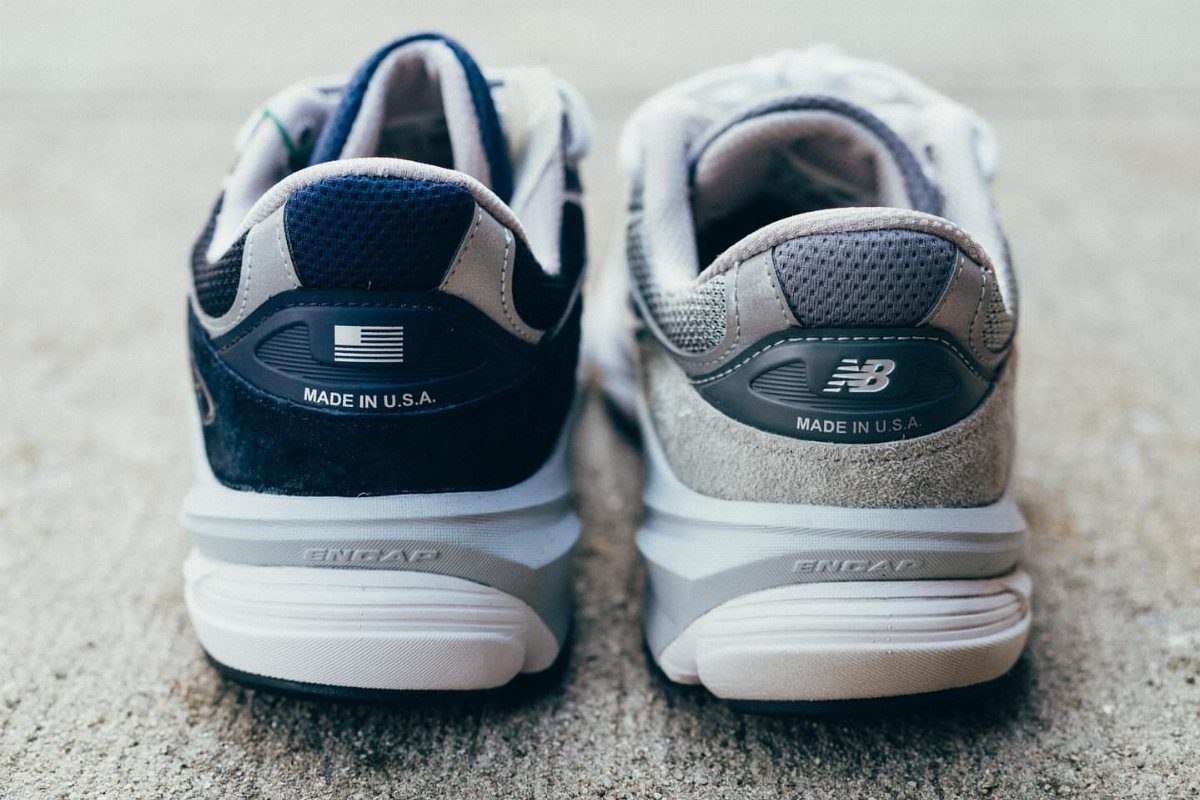
The heel of a US-made New Balance carries a small American flag badge beside the "MADE IN U.S.A." text, a detail that helps spot domestic production at a glance when tags are hidden or missing.
That marking also signals repairability. Welted construction, common in US-made dress shoes, allows resoling through factory programs rather than replacement.
Allen Edmonds charges around $145 plus shipping for a full rebuild; Red Wing Heritage and Alden offer similar services through their stores or authorized retailers. The cost-per-wear math shifts when a shoe can be rebuilt and resoled instead of discarded.
Check the heel before you buy. The flag badge is the quickest way to confirm you are looking at domestic production.
Understanding Made in USA
The FTC’s "all or virtually all" standard means every significant part and labor input must come from US sources, not just final assembly. A shoe can carry the label only when design, materials, and construction all happen here.
"Assembled in USA" is the loophole to watch for. That term applies when foreign parts are built in America, and it is not the same claim.
New Balance learned this in 2021, when the company faced a suit over imported components in shoes labeled "Made in USA." The settlement served as a warning to the industry that regulators are paying attention.
New Balance – Made in Vietnam and China, “Made in the USA” shoes are 70% domestic.
Quality and Craftsmanship
Hand construction takes more time and skill than mass production, and that shows in the cost. High-quality leather, domestic materials, and generational craft knowledge all add to the price of US-made sneakers.
The construction method matters for longevity.
The FTC standard allows this when the foreign content is not significant; check the tongue tag or product specifics if domestic sourcing matters to you.
Ethical Production Practices
Labor law compliance is built into domestic manufacturing rather than added through audits. Shoes produced in US factories fall under federal and state wage standards, OSHA workplace rules, and anti-discrimination statutes that do not apply overseas.
The brands covered here operate under those constraints.
SAS builds in a single San Antonio facility where cutting, lasting, and boxing all happen under the same roof. Each structure makes the supply chain visible in a way that outsourced production rarely achieves.
Paying more at purchase gets you working conditions you could theoretically verify by driving to the factory.
Environmental Benefits
Domestic production cuts the shipping distance from factory to warehouse to customer.
Overseas supply chains involve container transport across oceans, then rail or trucking across continents. Each stage burns fuel that US-based manufacturing avoids.
Some American brands extend this further with material choices. Eco-friendly sourcing matters to several domestic makers, though what that looks like differs from one company to the next.
Opie Way uses leather and vulcanized rubber with no synthetic overlays; SAS chooses PU footbeds and EVA midsoles for wear life rather than biodegradability.
The harder environmental question is longevity versus disposal. A shoe that lasts through multiple resoles, like a rebuilt Allen Edmonds, keeps material out of landfills longer than bonded-sole imports that get replaced outright.
The carbon math favors fewer total purchases, even if each domestic pair costs more to produce.
Frequently Asked Questions
Is New Balance really made in the USA?
I check the tongue tag and the small flag badge on the heel before I buy, since New Balance moves production around by model year and lines that used to be domestic sometimes switch to imported.
Some components, like midsoles and foam, are imported, which is why the FTC sued the company in 2021 over labeling.
What are the best American-made sneakers?
New Balance, SAS, and Opie Way are the brands covered here that manufacture athletic shoes in the US.
New Balance offers the widest range of widths and the most established running heritage; SAS builds in San Antonio with Medicare-certified diabetic cushioning; Opie Way hand-stitches court shoes in Asheville to custom specifications.
The best choice depends on whether you need width options, medical-grade support, or made-to-order leather construction.
Are any shoes still made in the USA?
Yes, though American-made shoes are rarer than advertising implies.
SAS handles cutting through boxing in one San Antonio facility. Smaller makers like Opie Way work on a slower, made-to-order scale.
The honest count of brands with actual domestic factories is small, and "Made in USA" on the label requires verification since some companies use imported parts under "Assembled in USA" claims.