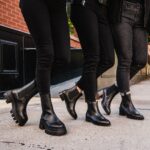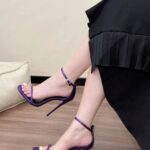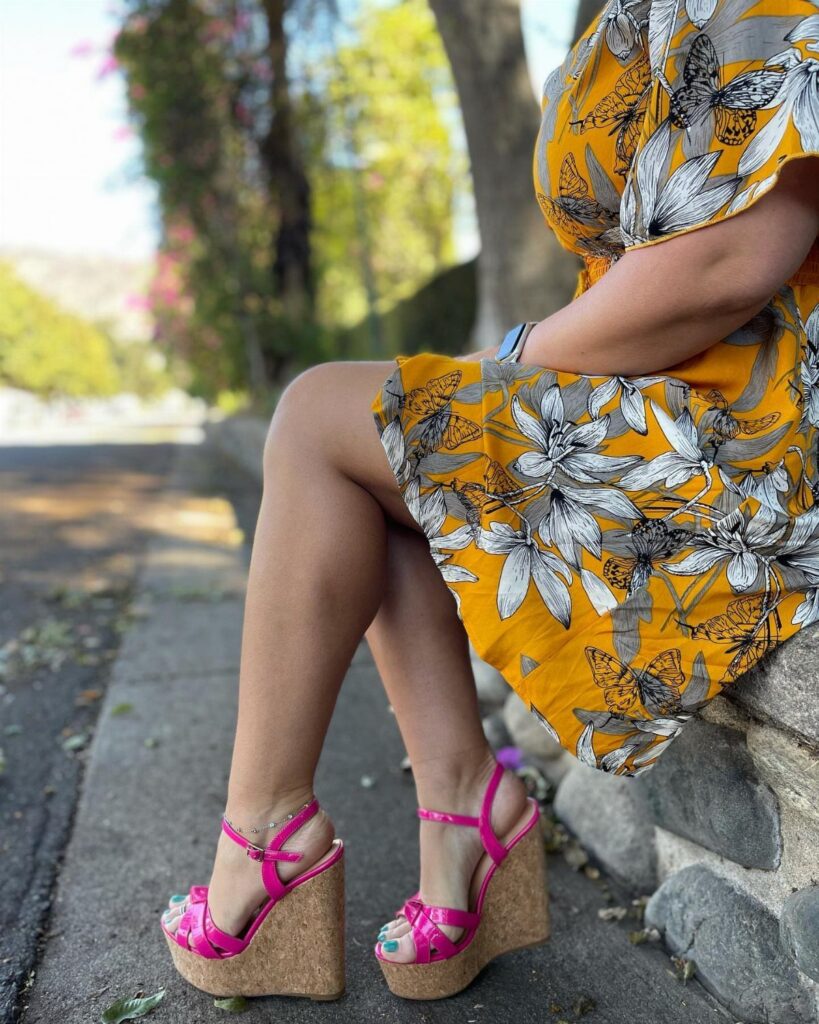
The 10 heels below run from a 2-inch block heel by Naturalizer to a 3.25-inch T-strap by Journee Collection, with platforms, wedges, and cushioned Clarks in between.
What decides which pair is yours is where your foot widens: a broad forefoot needs a true wide width rather than extra length, while a wide instep with narrow heel suits a Mary Jane or mule that tensions separately across toe box and midfoot.
The Clarks ULTIMATE COMFORT line builds its heels on foam layers that compress under the ball of the foot, and many of their seasonal colors ship on the same wider last as their walking shoes.
1. Low to Mid Heels
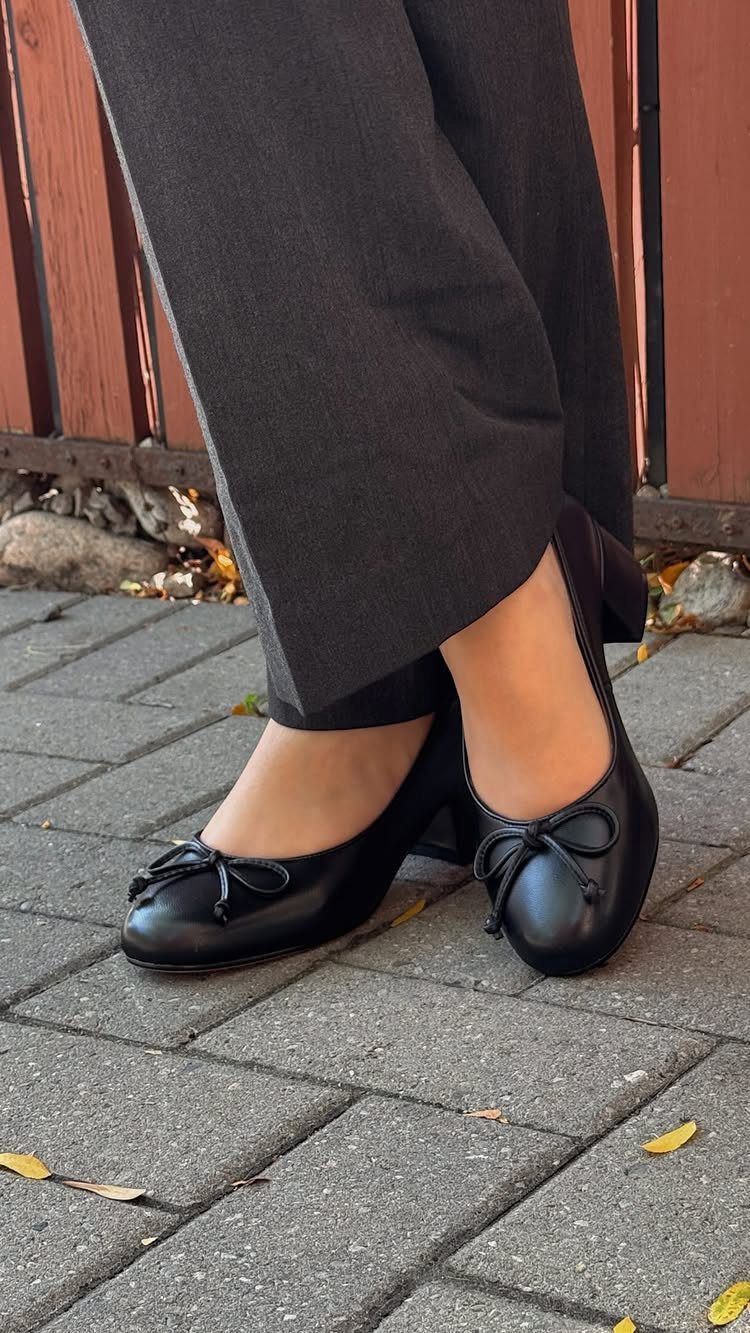
A lower heel keeps your weight closer to where your foot naturally lands, which matters more when your forefoot already spreads wider than standard lasts accommodate.
I look for brands that mark a true wide width, not just a half-size up, since extra length shoves the arch support into the wrong spot and the heel slips anyway.
The Journee Collection Olina runs to size 11 in wide and hits 3.25 inches, which sits at the top of what I would call mid; the T-strap and ankle buckle let you snug the fit without compressing the toes.
2. Block Heels
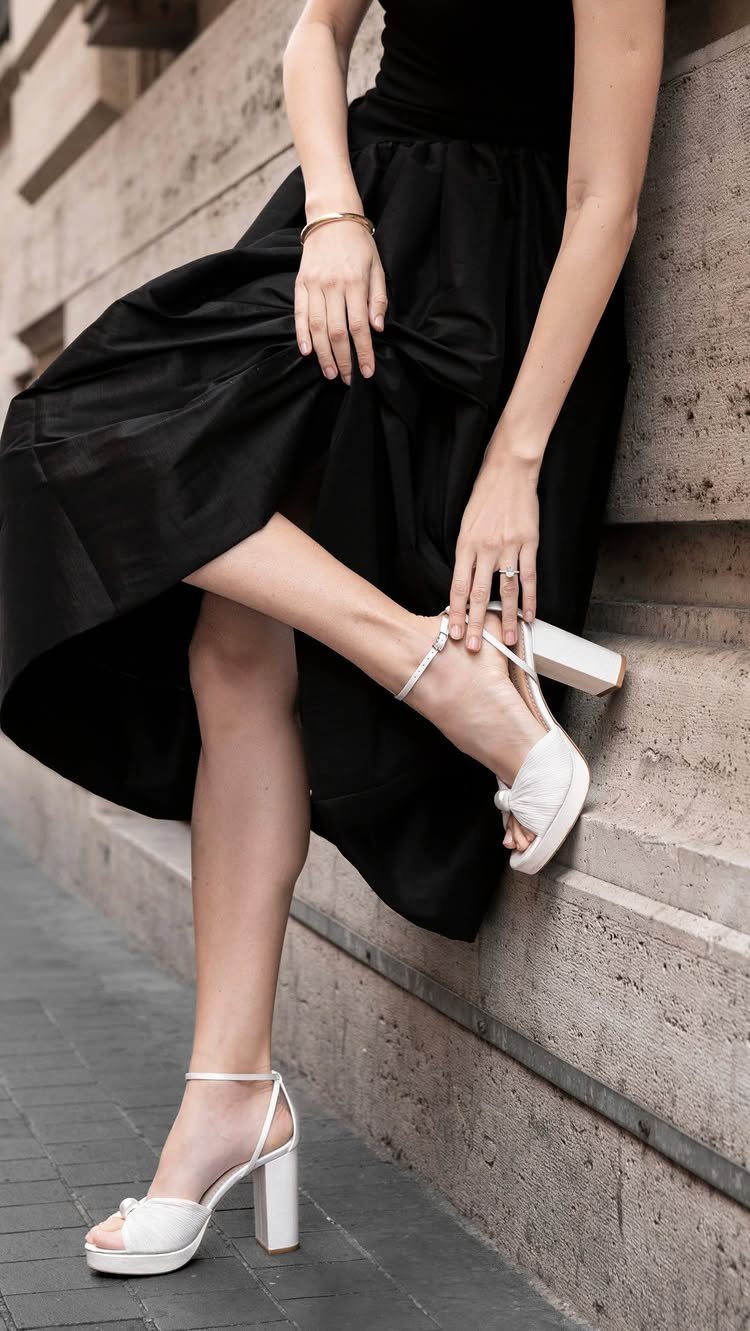
Weight distribution is the whole argument for block heels: the surface you stand on runs four to six times wider than a stiletto tip, so pressure does not concentrate under the metatarsal heads where wide feet already complain.
Sézane’s Maxine in white patent leather shows the shape clearly, with a chunky platform heel that looks almost architectural against the slim ankle strap.
Leather or suede uppers have more give than synthetics if your instep rises high; check that the toe strap sits forward enough that it does not ride the widest part of your foot.
3. Wedges
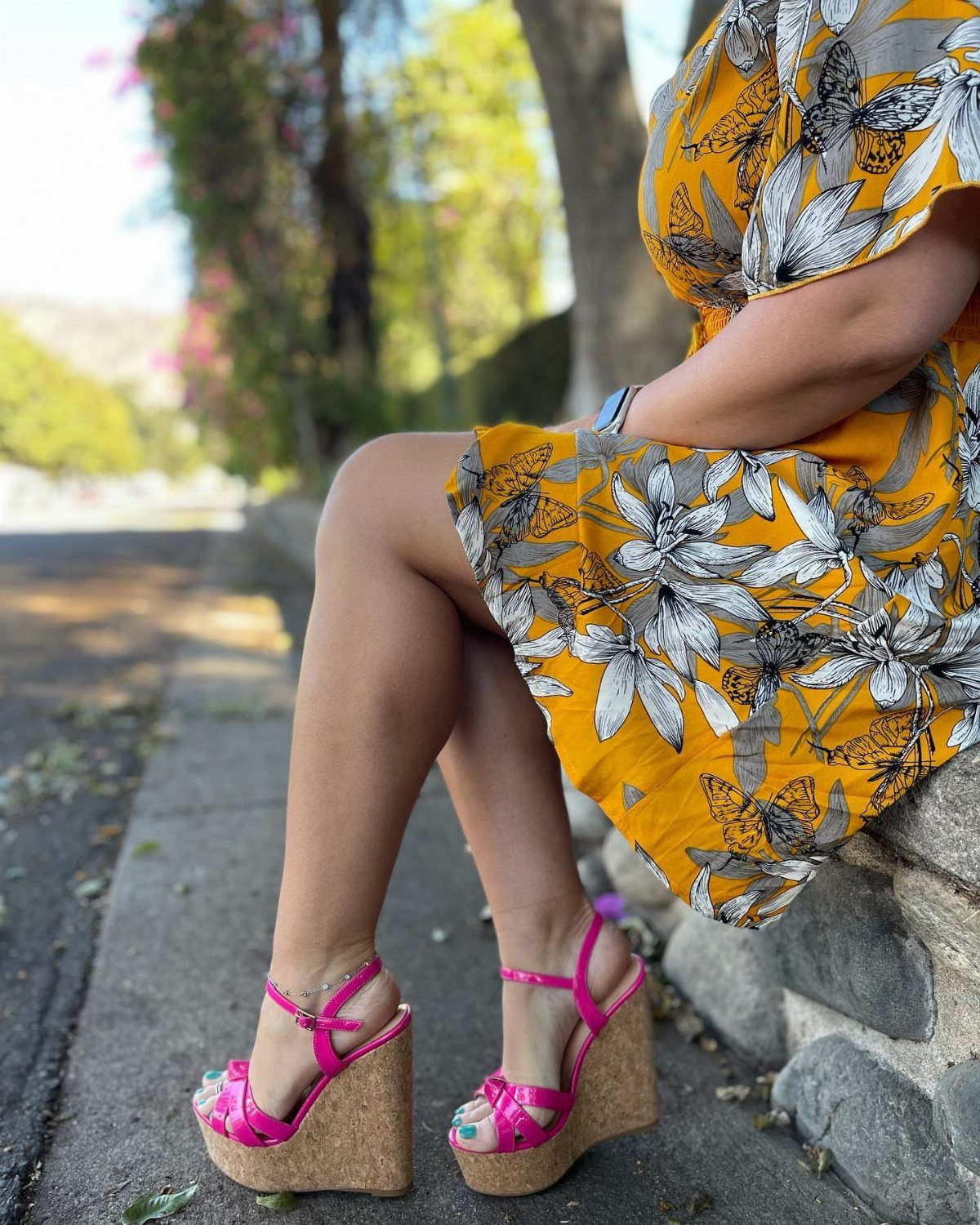
Cork soles and rubber soles both work here, but the material changes what you get: cork molds slightly over time, rubber stays consistent and weighs less.
A wedge left as exposed cork reads more casual than wrapped or painted versions, which narrows the outfit range but keeps it practical for daytime wear.
For daily walking I would pick a suede or leather upper with some stretch; for standing still at an event, the stiffer materials hold their shape longer.
Either way, the full sole contact means you are not balancing on a point, so fatigue sets in slower through the calves and outer ankles.
4. Peep-Toe Heels
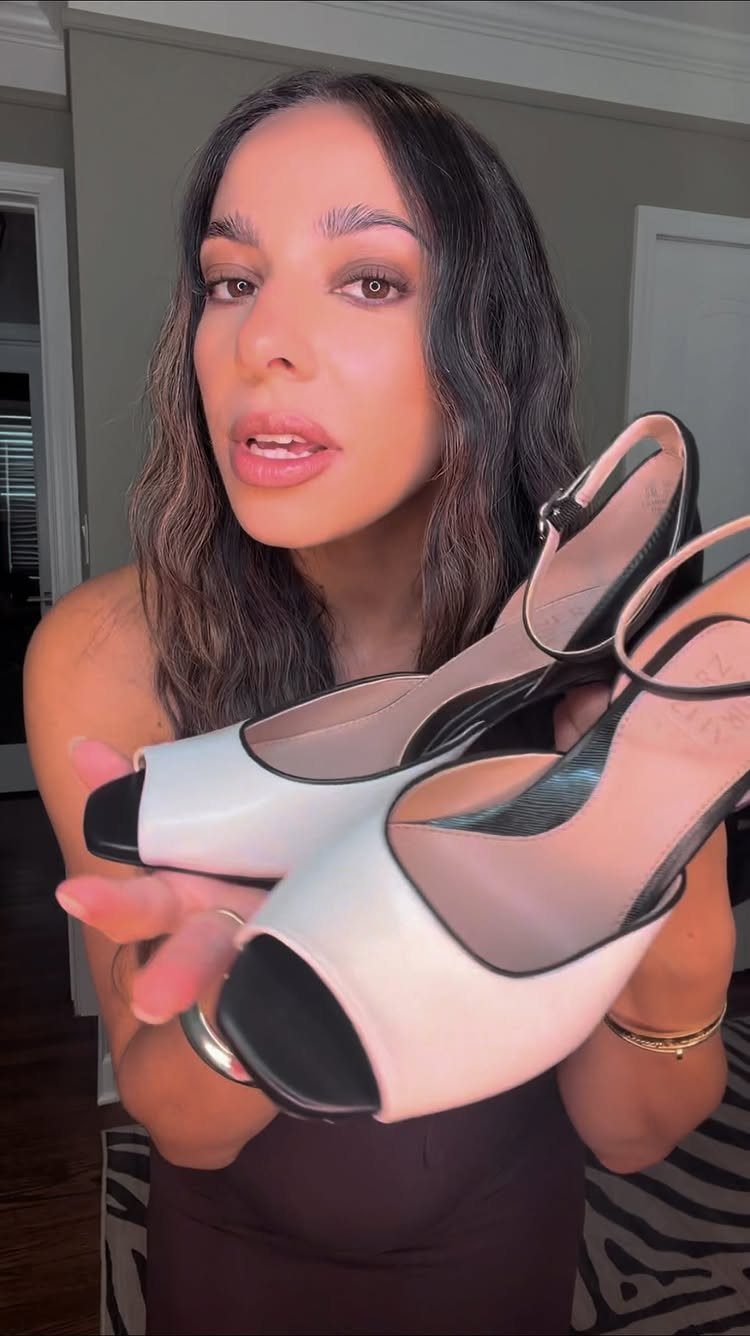
The opening at the toe buys you literal breathing room, but only if the aperture is cut wide enough that your broadest toe does not hang over the edge.
I have seen peep-toes where the gap was decorative, a slit too narrow for anything but a narrow foot, and the pressure just migrates backward to the ball.
Check the width across the vamp where the peep begins; if it measures the same as a closed-toe pump in the same size, you have gained nothing.
Black-and-white color blocking can draw the eye sideways and make the foot appear wider, which some wearers mind and some do not.
5. Ankle Strap Heels
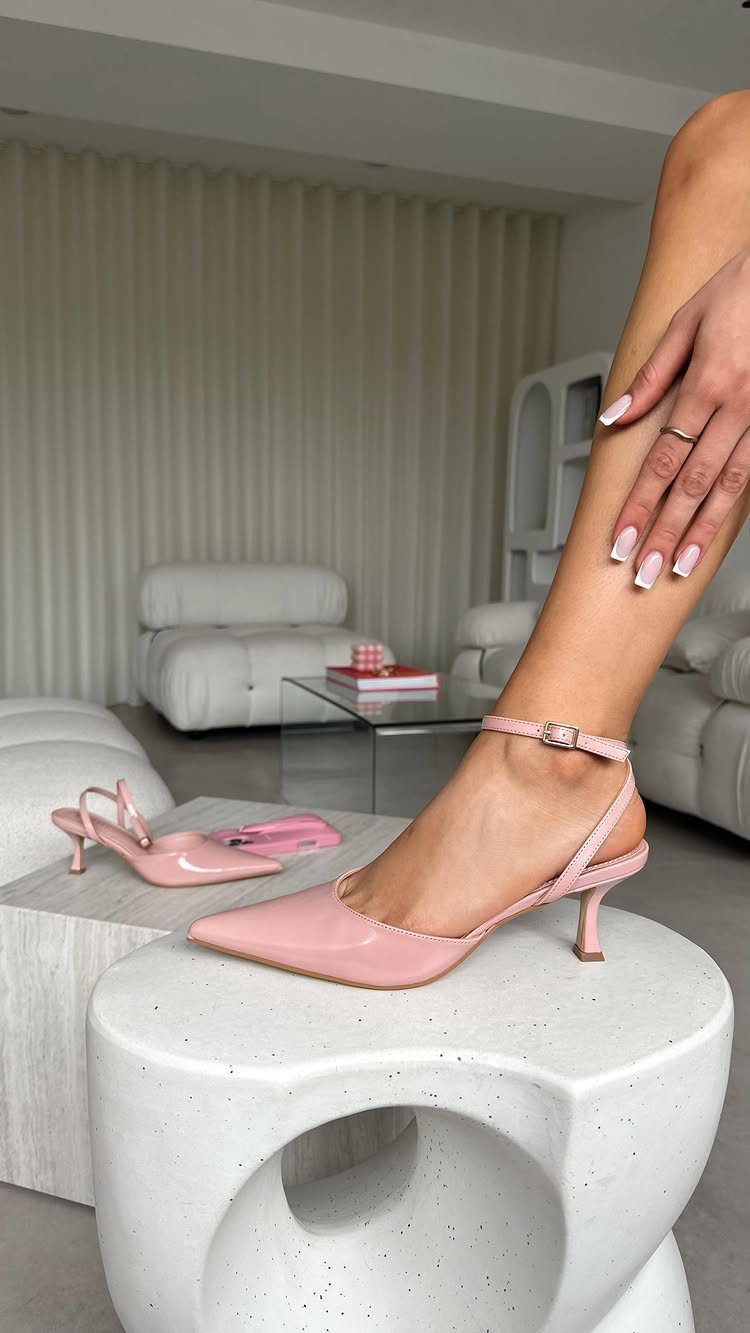
Ankle straps do 2 jobs: they keep the heel from sliding out on a wider forefoot, and they let you loosen the throat enough that the toes are not squeezed.
A strap sitting low, almost at the heel line rather than wrapping the narrowest part of the ankle, changes how the shoe stays on and how the leg line reads.
Lower placement stabilizes better but can shorten the leg visually; higher placement looks longer but risks gapping if your ankle is slim compared to your heel width.
Test by walking on a hard surface, not carpet, since carpet grips and hides a fit that will slide on tile or concrete.
6. Mary Jane Heels
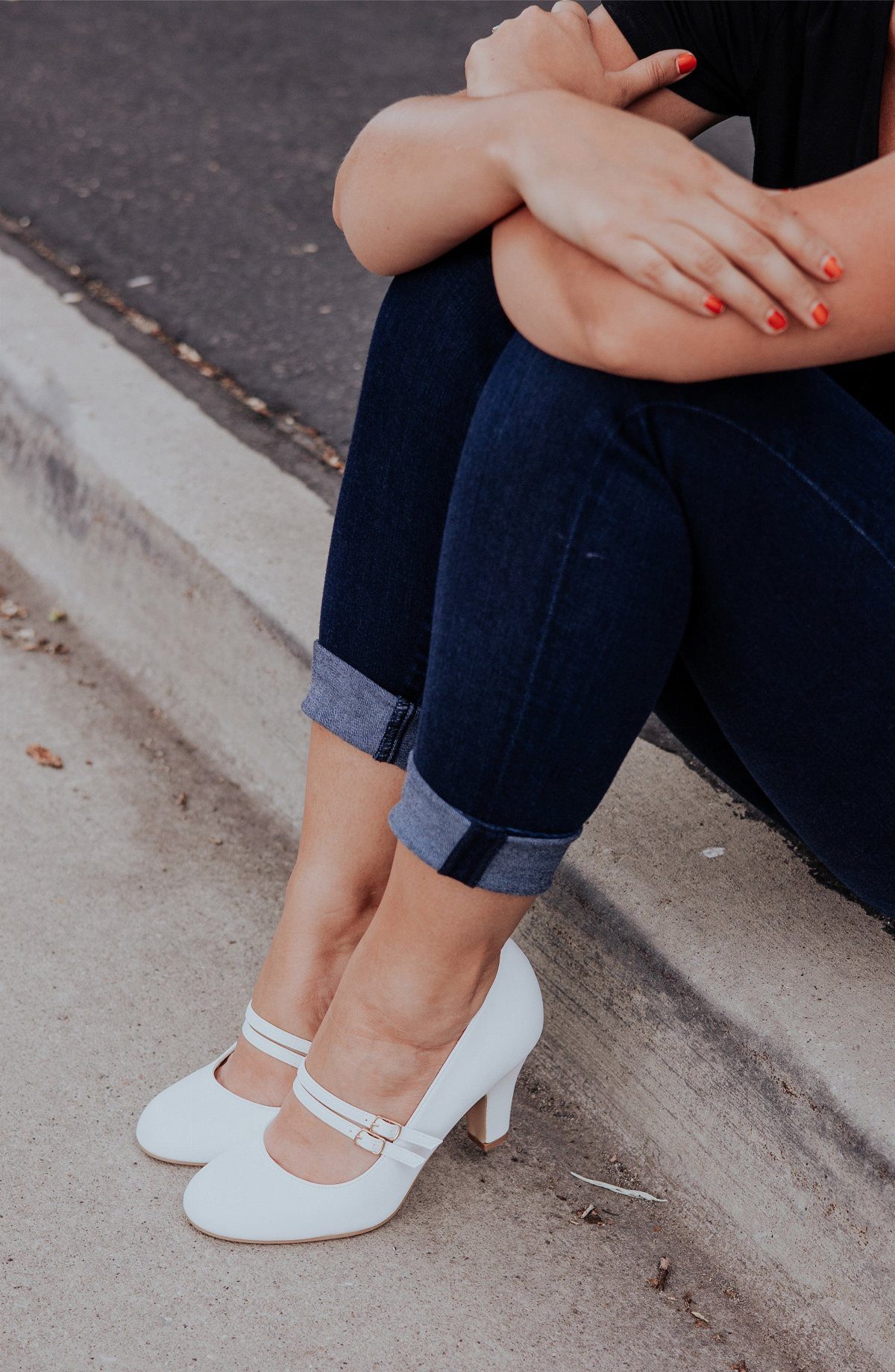
Double straps across the instep let you set tension separately over the toe box and the midfoot, which matters when those 2 areas do not share proportions.
Slim straps and a fairly low heel read almost schoolgirl despite grown-up materials; Naturalizer’s Cosmic Mary Jane takes the same idea into a flat if you need the toe room but not the lift.
Rounded toes are standard here, though I have seen square-toe versions that give even more lateral space. Buckle placement matters: a strap that crosses directly over the joint can press on bunions or bone spurs that wide feet often develop.
7. Clarks Heels with Cushioning
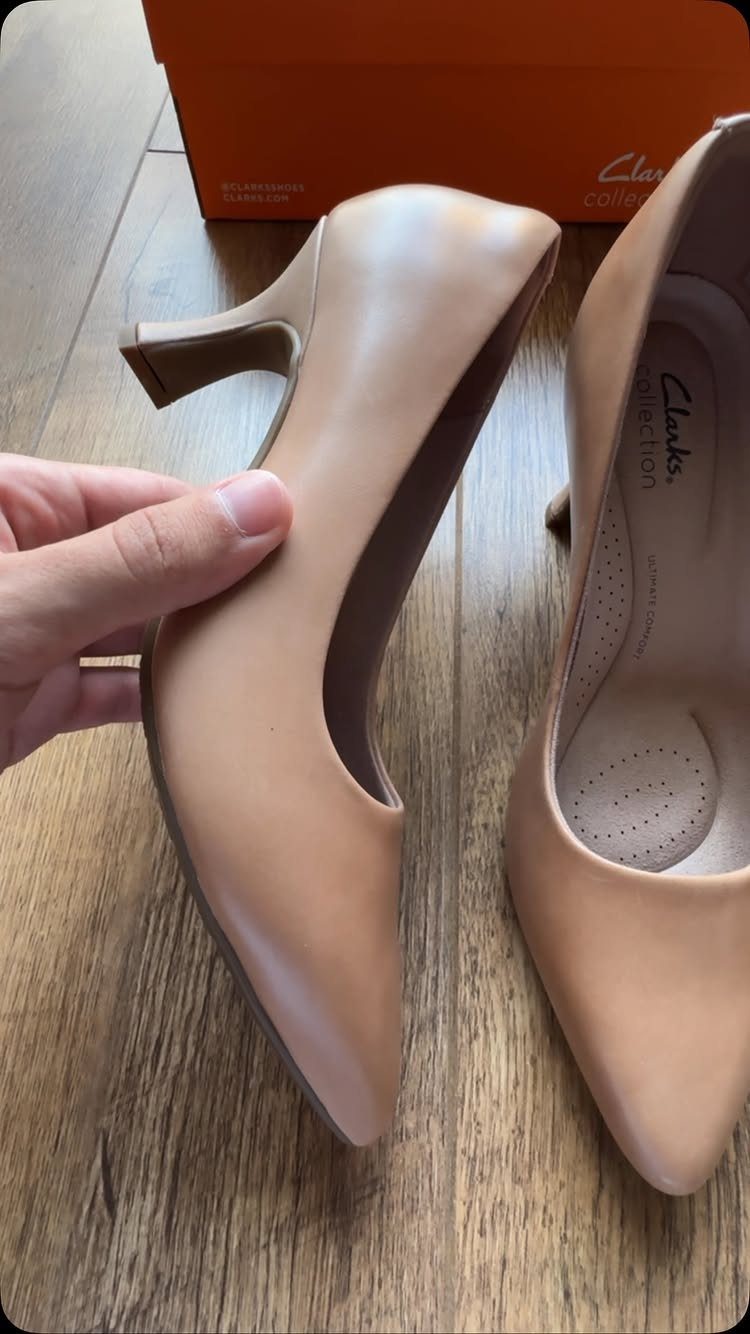
Clarks builds its collection heels on footbeds marked "ULTIMATE COMFORT," with foam layers that compress under the ball of the foot rather than transferring shock straight to bone.
The toe boxes run wider than standard dress-shoe lasts, and many models come in true wide widths rather than forcing you up a half size.
I would check whether the particular pump you are considering uses the same last as their walking shoes or a narrower dress last; the comfort line is fairly consistent, but seasonal colors sometimes ship on different molds.
A nude leather finish in this style is the sort of neutral that works with navy, camel, or black without demanding attention.
8. Platform Heels
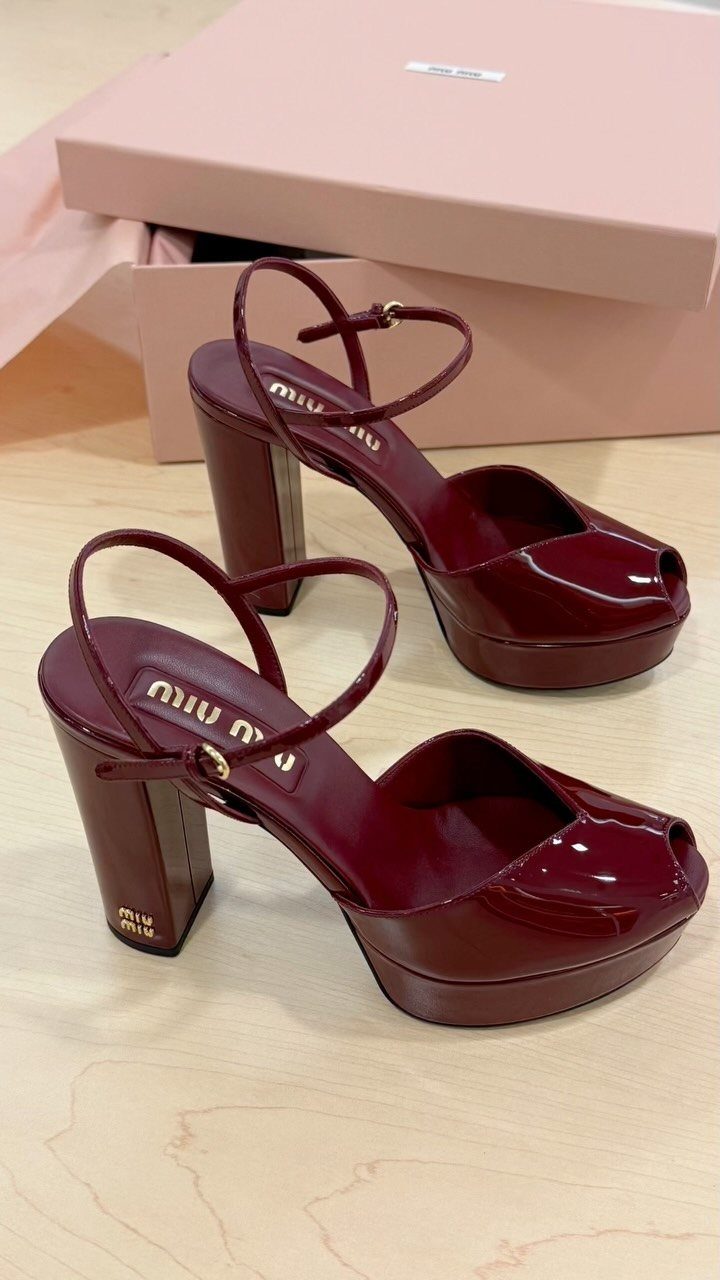
A platform front drops the effective heel height by whatever thickness sits under the forefoot, so the ankle strain is reduced by that same amount.
The trade is weight and bulk: the sole adds ounces, and patent leather in a style like this refuses to stretch if your instep is high.
Open-toe platforms give more toe spread than closed-toe versions, which matters because the raised platform already shifts weight forward.
Ankle straps keep the foot from sliding into the toe box on downhills or stairs. I would reserve these for events with minimal walking; the height is there, but the padding is rarely where wide feet need it most.
9. Mule Heels
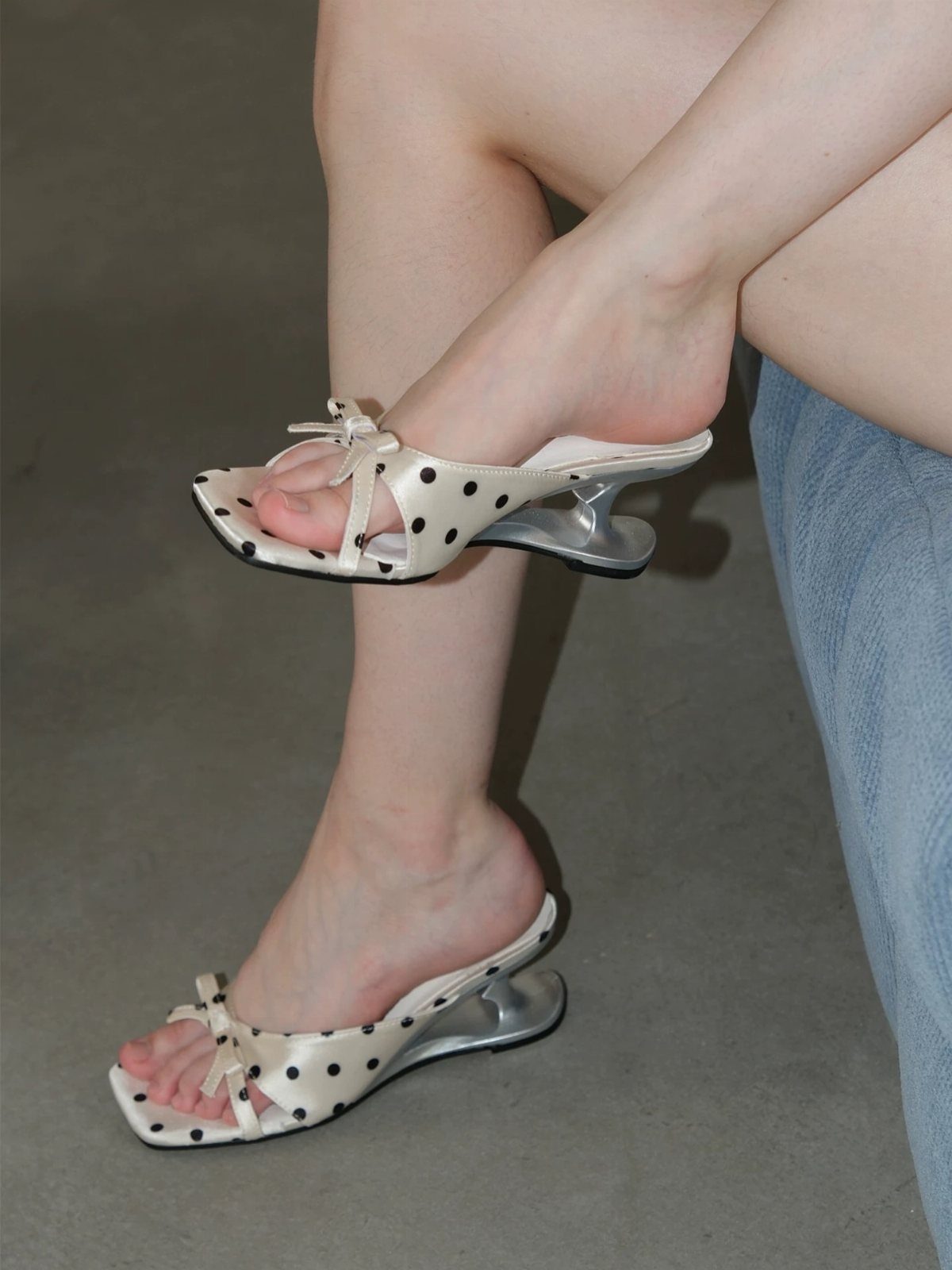
A backless heel demands that the front half grip well enough to keep the shoe on, which is harder when your forefoot is wide and the upper has no give.
A sculpted metallic heel and a bow add visual interest without adding structure; a printed textile rather than leather means less moldability over time.
Mules suit narrow heels paired with wider forefeet, since there is no heel counter to gap.
I would test these on stairs before committing; the slip-off risk is real, and a half-size down to tighten the grip usually crowds the toes.
10. Pointed-Toe Cutout Pumps
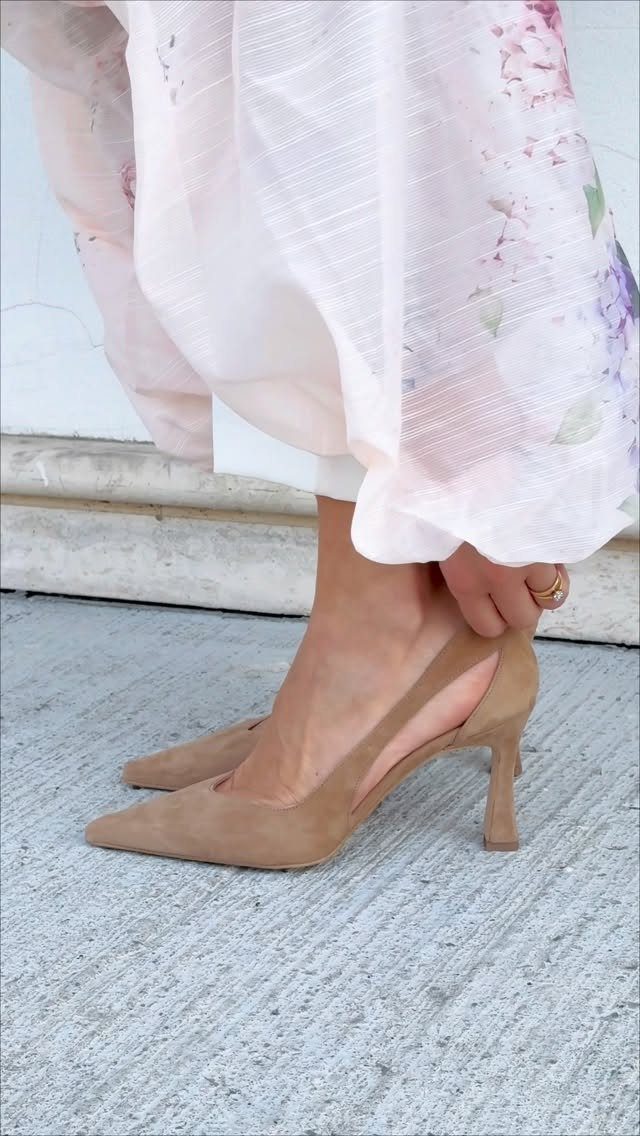
Tan suede pointed-toe cutout heels worn by a person standing on concrete.
The side cutouts on these pumps do not add width, but they do remove material that would otherwise press on the outer edge of a wide foot at the bunion line.
Suede has more lateral give than smooth leather, which helps if the pointed toe is merely elongated rather than truly narrowed. A functional heel strap, not merely decorative, keeps the foot from sliding forward into the tapered toe box.
I would measure the width at the cutout level against your own foot at its widest point; if the cutout begins before your broadest spot, you have gained nothing.
These read dressier than a round-toe block heel, but the pointed toe still compresses forward.
Frequently Asked Questions
How do you stop your feet from hurting in heels?
Sizing up to get width just trades one problem for another: the arch lands behind your actual arch, and your heel lifts with every step.
I only buy from lines that mark true wide widths, like Easy Spirit or Clarks, so the lasts match my foot shape without that extra half size of length.
Breaking in new heels gradually before a full day out helps, and I add breathable foot pads at the ball of the foot where pressure concentrates.
On hard surfaces like tile or concrete, a shoe that grips fine on carpet can slide and rub, so I test the fit there.
Which shoes are comfortable for wide feet?
Look for a wide toe box that lets toes spread naturally, adjustable straps or buckles that let you set tension separately over different parts of the foot, and soft leather or suede uppers that mold rather than compress.
My own wide-foot pairs are block heels and wedges for exactly that reason: the pressure spreads across the full sole instead of driving down through the ball of the foot where my forefoot already needs every millimeter of room standard lasts rarely give.
What heels should I wear if I have wide feet?
Block heels, wedges, and ankle strap heels are the styles I reach for most.