The boots below run from duck boots you can wear through city slush to silver Moncler statement pieces built for actual city time, and the right choice depends on which winter you are dressing for.
Check your heel lift on a hard floor before buying; slippage in the store becomes a blister once you are wearing them every day.
1. Diemme Roccia Vet Boots
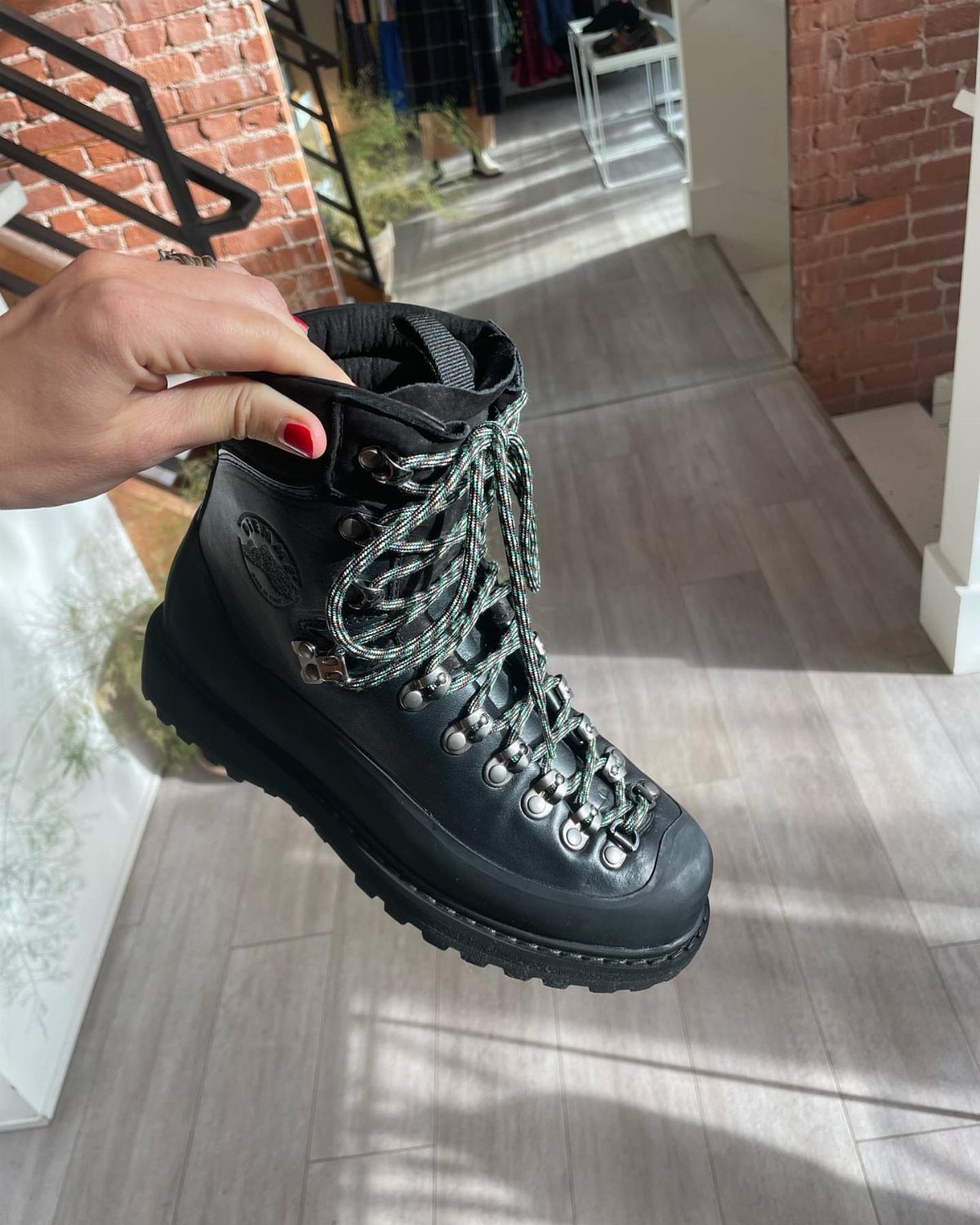
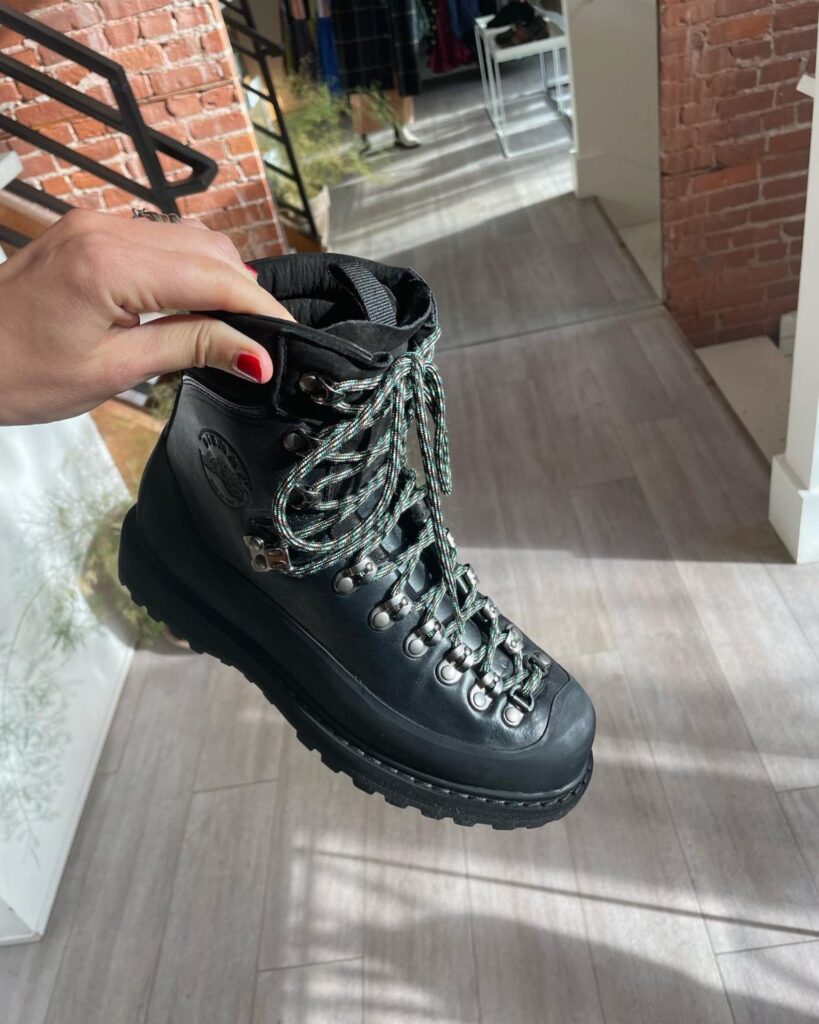
The Diemme Roccia Vet brings Italian hiking boot history into something you could wear to dinner without changing. Black leather overlays a hard-wearing canvas mesh with a cutout panel that keeps the weight down and the look modern.
I would check whether the patterned laces in your size run the same as the display pair; Diemme has used several lace designs across seasons.
The Roccia Vet suits men who want one boot for city winter walks and weekend trails without looking like they are dressed for base camp. Thick wool socks fill the gap if you size up for a heavier midlayer.
2. Kamik Nation Plus Boots
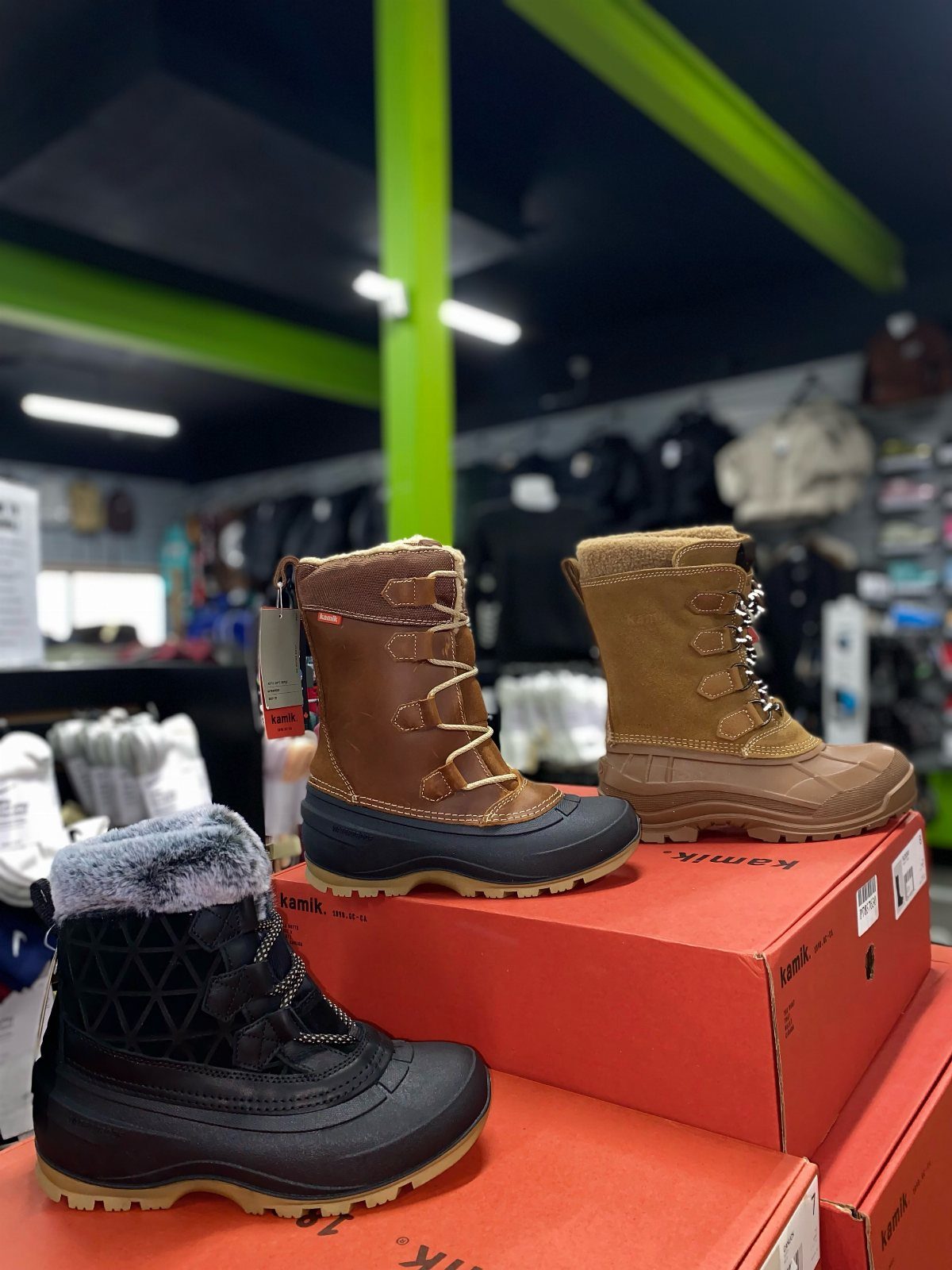
Winter campers keep coming back to the Kamik Nation Plus for its removable liner, which means you can dry it overnight near a stove when everything else in your tent is still damp.
The price sits well below most technical boots with similar temperature ratings, and the liner is the reason: replace it when it packs down instead of buying new boots.
I would try these on late in the day when your feet have swollen to their full size; the liner takes up room you will not have in an afternoon fitting.
Good for men who camp or ice fish and do not want to budget North Face money for something they will salt and scuff.
3. LL Bean Duck Boots
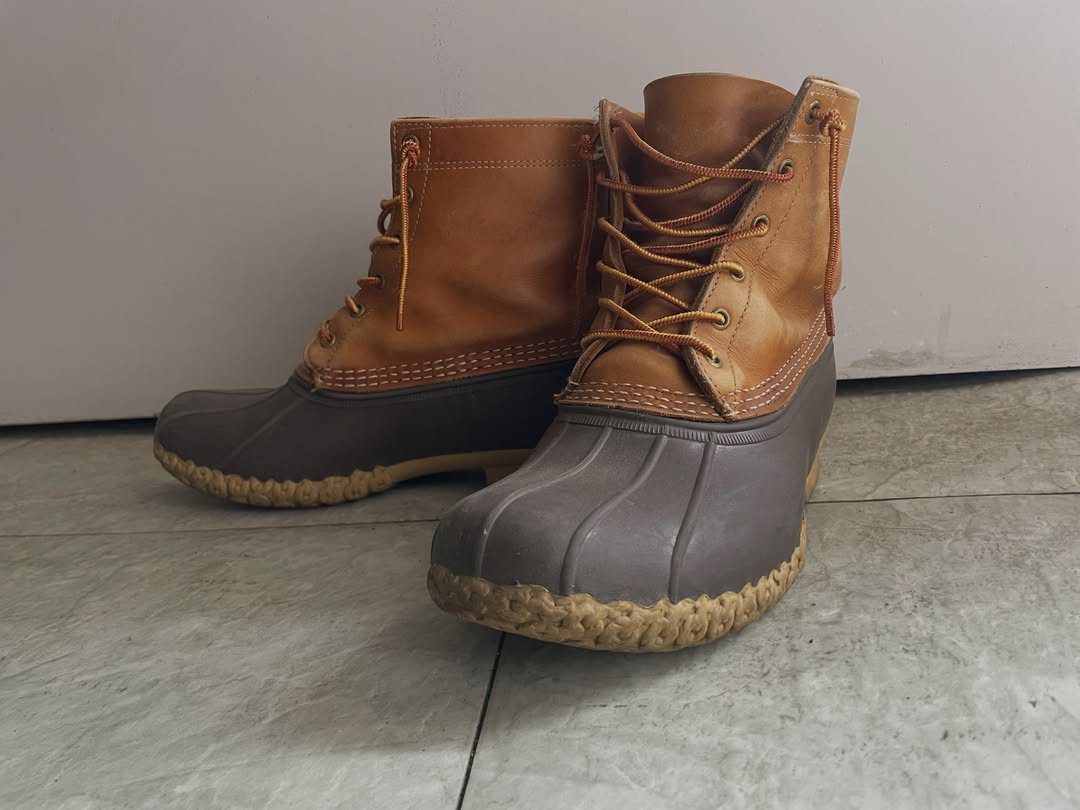
L.L.Bean’s duck boot is the one your father and probably his father wore, and the tan leather with grey rubber still works because the design never chased a trend.
The rubber lower half shrugs off slush; the leather upper breaks in over two or three winters and looks better with each scuff.
I wear mine for errands, light shoveling, and any day when I would rather not think about my feet.
Sizing runs generous for thick socks, so order down half a size if you are between. Not for deep snow or pack hiking, but nothing beats them for the school run, the coffee run, or the Saturday that mixes both.
4. The North Face Winter Boots
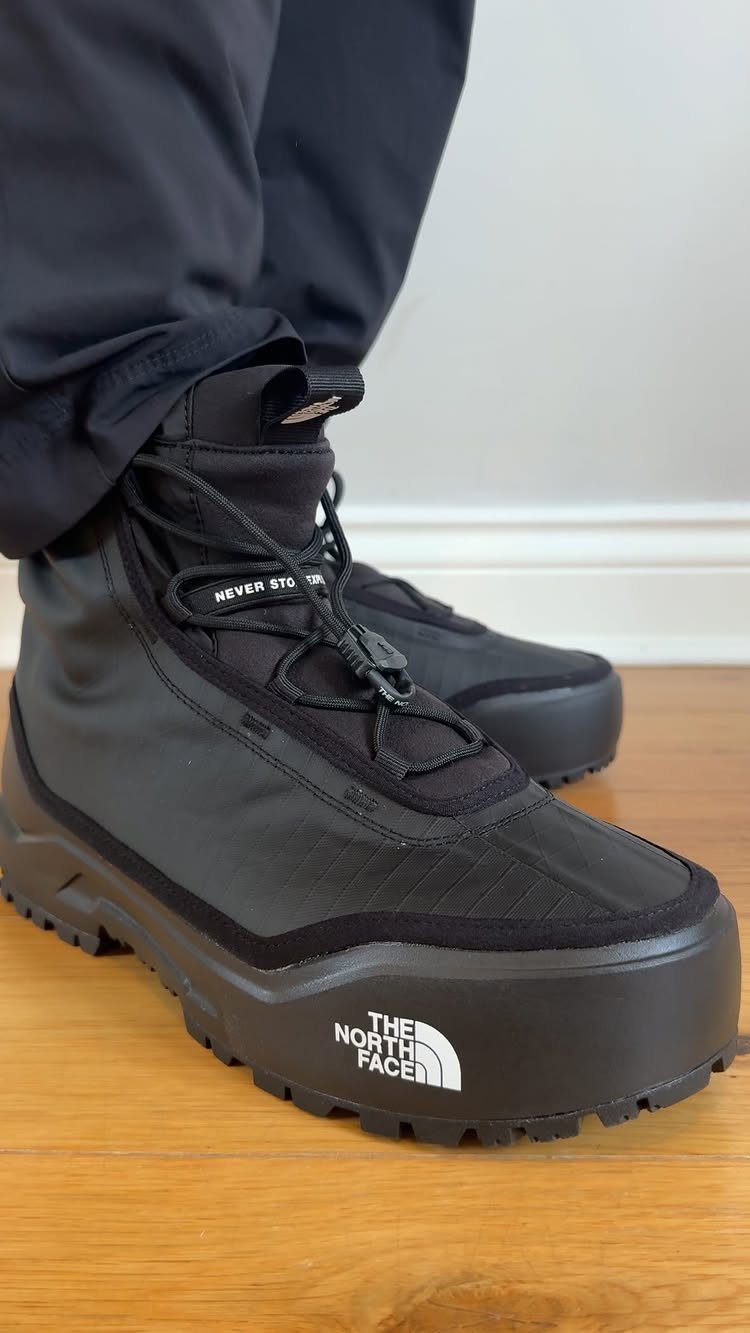
The white logo on black gives these away before the tread does; The North Face built its winter line for men who want to recognize the brand and trust the insulation rating.
Check the stack height against your trousers before buying.
These sit higher than most sneakers and some chinos will ride up or bunch. I would wear them with a straight or tapered leg that breaks cleanly at the ankle, which works with black pants or dark denim.
Fine for city commutes and light trail use; the "NEVER STOP EXPLORING" print is on the tongue, not subtle, so decide whether that energy fits your coat.
5. Rugged Caterpillar Hiking Boots
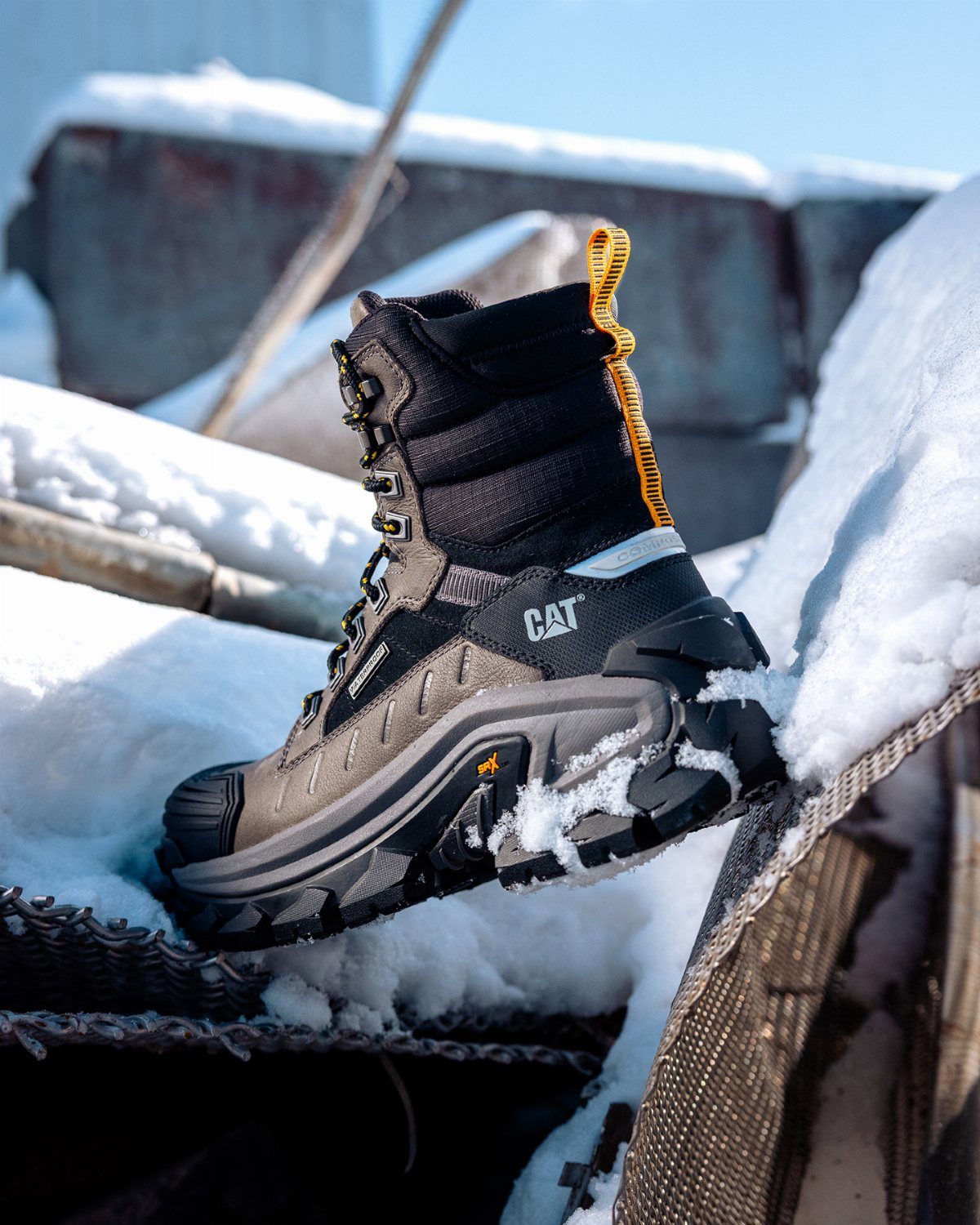
Caterpillar stamps "WATERPROOF" and "SRX" on the heel because this boot is built for men who work outside, not men who pose outside.
The yellow pull tab and midsole accent are brand signatures you either accept or you buy something else. Deep treads grip packed snow and metal grating both, which matters if your winter includes scaffolding, loading docks, or tractor cabs.
I would try the SRX slip-resistant outsole on a wet floor before committing; ratings vary by surface. Heavy, yes, but the weight is steel toe and full grain leather that outlasts 3 pairs of fashion boots.
6. Fur-Lined Black Ankle Boots
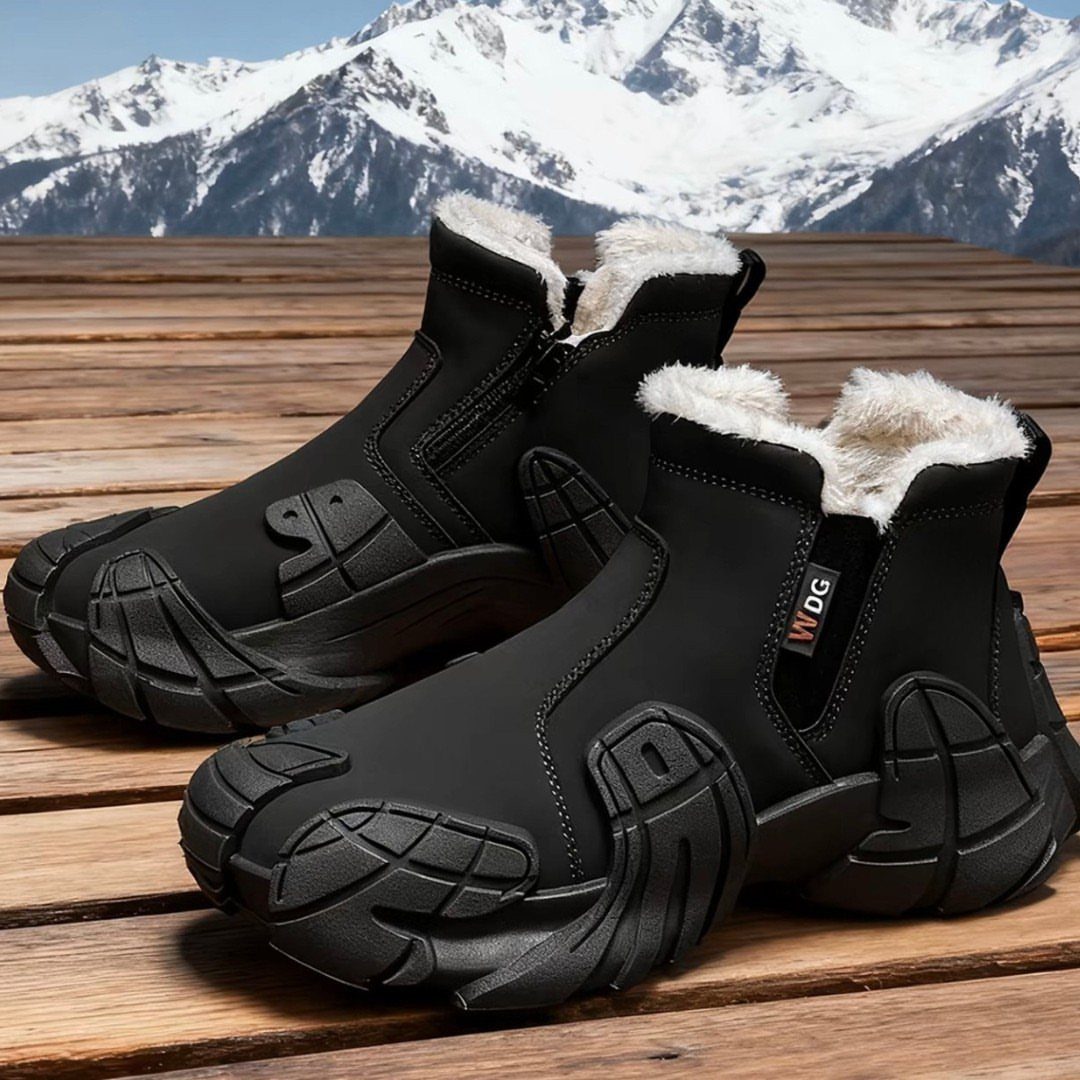
White faux-fur lining against black leather gives these the contrast of a ski chalet without the ski chalet price; the lug sole grips where dress boots slide.
The slip-on shape saves time at the door and costs you the adjustable fit of laces.
I would wear these with slim black jeans or wool trousers that sit at or above the ankle, letting the white cuff show as a deliberate border.
The "WDG" tag on the heel is small enough to ignore. Good for men who want warmth without the height of a full boot, though deep snow will top the collar; stick to cleared paths and city salt.
7. Chunky Lug Sole Ankle Boots
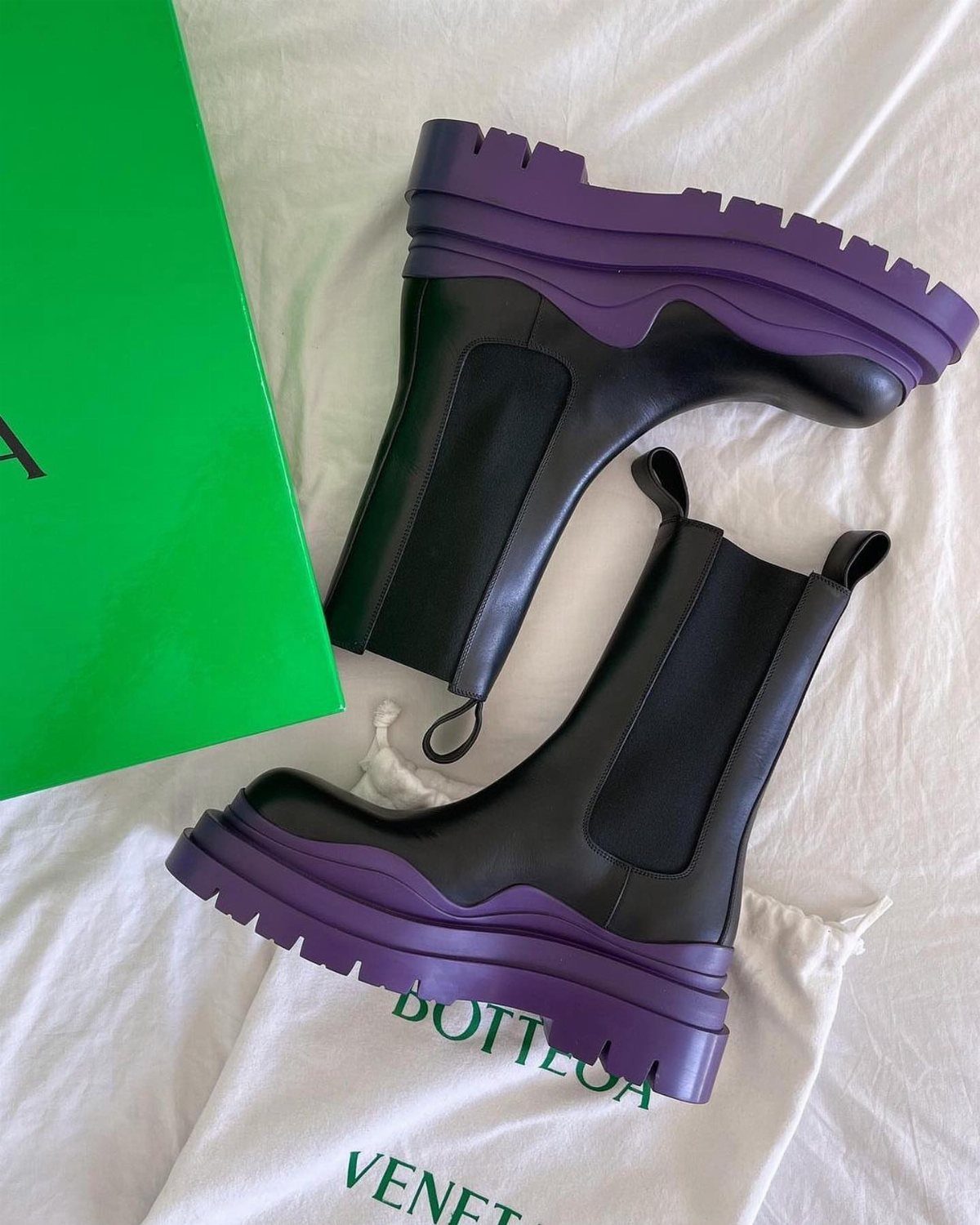
Purple lug soles on black leather turn the utilitarian tread into the whole point of the boot. The color shift is loud enough that I would keep the rest of the outfit quiet: charcoal or black trousers, no competing pattern.
The ankle height works with cropped pants but leaves the gap to the hem exposed; try your trousers length with these on before deciding.
The sole thickness adds real height, so factor that into how your jacket falls. Good for men who want their winter boot to read as deliberate choice rather than weather requirement.
8. Moncler Quilted Winter Boots
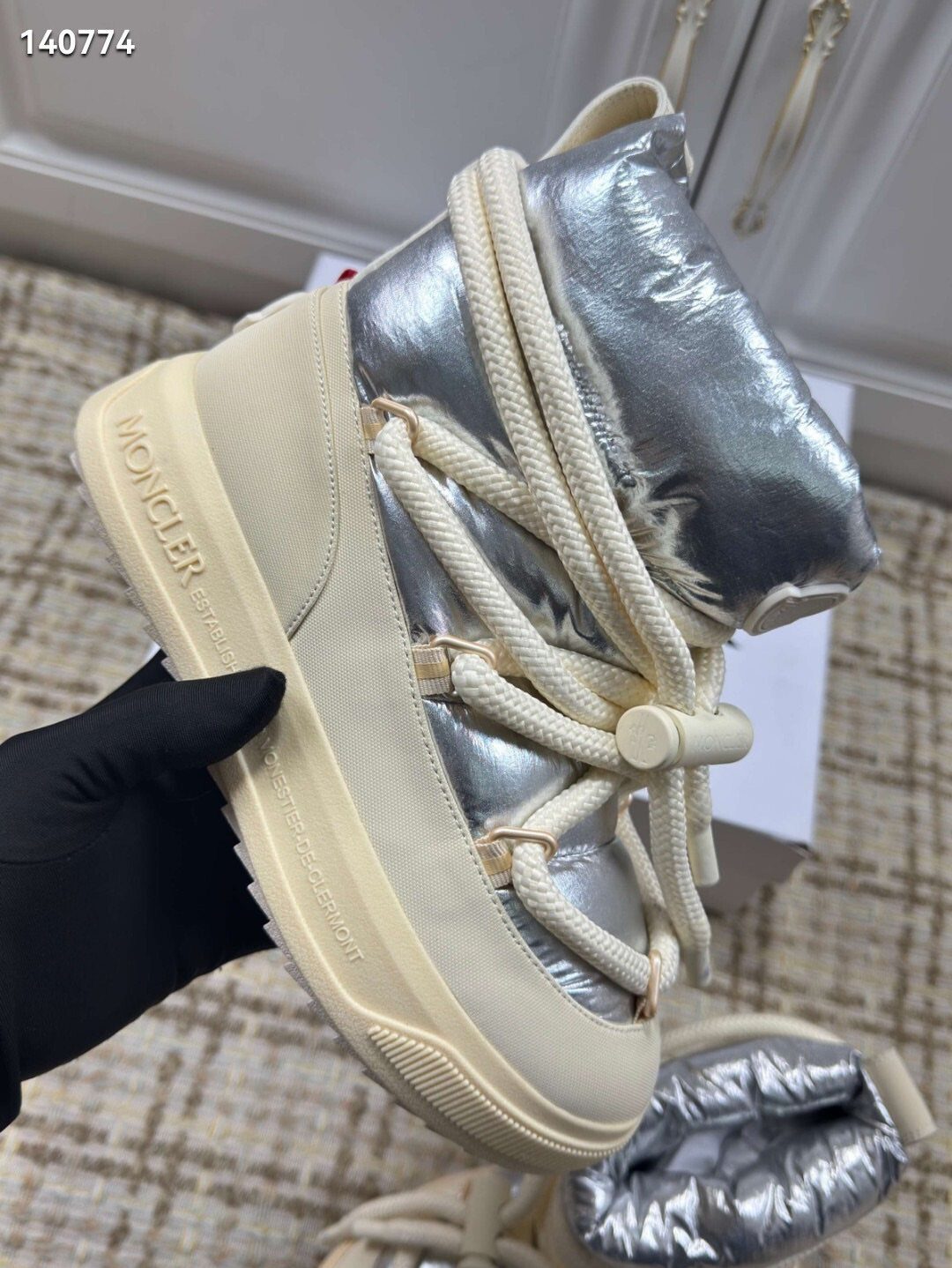
Metallic silver on a winter boot is a risk that pays off only if the rest of your kit can handle the shine.
The cream laces soften the space-age finish into something you could wear with a navy wool coat without looking like you are headed to a costume party.
I would treat the leather before first wear; light colors on boots salt-stain fast and show every scuff.
The quilted shaft runs warm but the ankle cut still leaves the joint exposed to draughts; wear them with heavier socks or accept them as city boots, not mountain boots.
Good for men who want one statement piece and keep everything else simple.
9. Black Leather Boots with White Laces
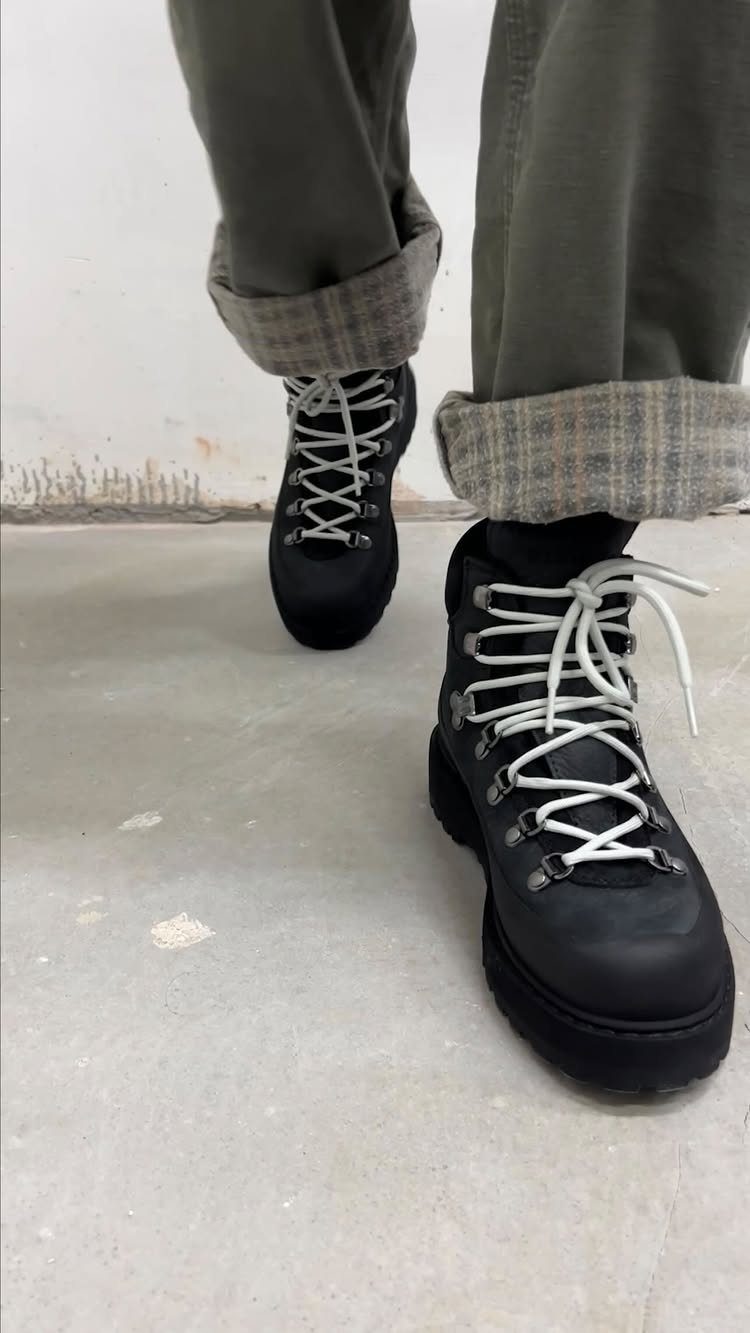
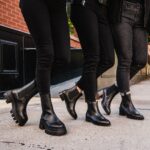
White laces on black leather give the classic work-boot shape a graphic crispness that reads clean rather than rugged.
The contrast draws the eye down, so the cuff treatment matters: a rolled cuff with plaid lining works because the break is intentional, not accidental.
I would swap the laces out when they gray; bright white is the point, and once they dull the effect is lost.
The height sits at mid-ankle, fine for slush and salt but not for unshoveled walks. Good for men who dress casual-smart and want their winter footwear to hold up that side of the bargain.
Choosing the Right Winter Boots
Waterproofing, insulation, and traction are the 3 features that separate winter boots from boots you simply wear in winter.
I would rank them in that order for most men: wet feet lose heat 25 times faster than dry feet, and no amount of Thinsulate fixes that.
The temperature rating printed on the box assumes moderate activity. Standing on an ice-fishing hole or waiting for a train drops your effective warmth fast; wind and stillness both steal heat from the sole up.
Traction matters on surfaces you do not choose. The Caterpillar SRX outsole and the deep lugs on the Diemme Roccia Vet both handle metal grating and packed snow; the Moncler quilted boot and the fur-lined slip-on do not.
Match the boot to the ground you will actually stand on, not the ground you hope for.
The SSENSE guide to the best winter boots of 2023 is here to light the way. Detailing the latest and greatest waterproof boots, hiking boots, leather boots, and zip-up boots, it removes the guesswork across the spectrum.
— SSENSE
Importance of Fit and Comfort
Try boots on in the evening, when your feet have been walking and swelling for hours. The Kamik Nation Plus liner compresses with use; a snug afternoon fitting becomes a sloppy morning after a month of wear.
Bring the socks you will actually wear.
Thick wool changes both length and circumference; the L.L.Bean duck boot runs generous precisely for this reason, and sizing down half a size only works if you account for the sock bulk you intend.
Heel slip is the failure point most men ignore. Walk a hard floor in the store; if your heel lifts more than a quarter inch, the boot will blister you before it breaks in.
Some slippage in oiled nubuck like the Diemme resolves with wear; none in a lined boot like the Kamik will.
Maintenance Tips for Winter Boots
Beeswax-based waterproofing feeds leather without the darkening or softening that neatsfoot and mink oils cause.
Clean salt lines with a damp cloth the same day.
Dried salt crystals draw moisture and crack leather over seasons, not weeks. The L.L.Bean duck boot’s rubber lower half wipes clean; the leather upper needs the same attention you would give dress shoes.
Condition after drying, not before.
Wet leather absorbs conditioner unevenly and spots. Remove the Kamik liner to dry separately; the boot shell dries faster without it, and the liner keeps its loft longer when it is not compressed against damp leather.
Layering for Warmth
Wool socks still insulate when damp; cotton loses it almost entirely. I would own 3 pairs of heavy merino and rotate them so each dries fully between wears.
Removable liners, like the Kamik Nation Plus, let you dry the insulation away from the boot. A liner dried by a stove while you eat dinner beats a fixed lining that stays damp for days in a heated apartment.
The gap between boot collar and trouser hem is where heat escapes.
The Moncler quilted shaft stops at the ankle; the fur-lined slip-on leaves the joint exposed entirely. Heavier socks help with these, or accept them for city use only and switch to a taller boot for real cold.
Wet socks from morning slush mean cold feet all afternoon. Pack a dry pair for any day that involves deep snow or long outdoor waits.
Frequently Asked Questions
What are some cool winter boots for men?
The Diemme Roccia Vet brings Italian hiking boot history into a boot you could wear to dinner, with black suede over canvas mesh and a cutout panel that keeps weight down.
Purple lug soles on black leather or white laces against black leather both turn utilitarian boots into deliberate style choices. The Moncler quilted boot in metallic silver works as a statement piece if the rest of your outfit stays simple.
What winter boots are trending now?
Boots that read current tend to do it through material and color choices that outlast seasonal cycles rather than following them. Quilted shafts like the Moncler, metallic finishes, and contrast lug soles in unexpected colors all signal deliberate choice.