The 3 ideas below range from free to roughly the cost of a specialist visit, and the right one depends on whether your heel pain is fresh or stubborn enough that you have already tried ice.
1. Ice Therapy
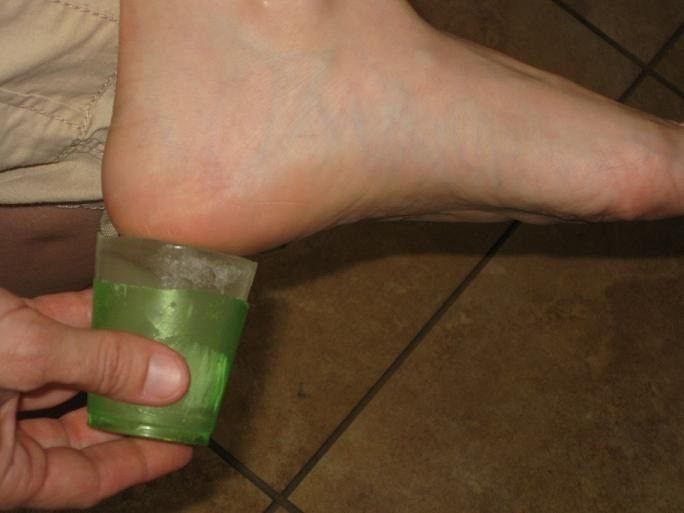
A green plastic cup of ice pressed against bare skin is the quickest way to calm an angry heel after a long walk.
The method is simple: 20 minutes of ice, then 10 minutes of warm water, then ice again. That temperature swing draws blood through the tissue without leaving the ice on long enough to damage skin.
I would do this seated with a towel under my foot, since the melt runs faster than you expect on tile. The contrast between cold and warm matters more than the exact degrees; a bathroom sink handles both.
For morning pain that eases after you move around, this costs nothing and pairs well with heel cups while you figure out whether custom work is worth it.
2. Custom Orthotics
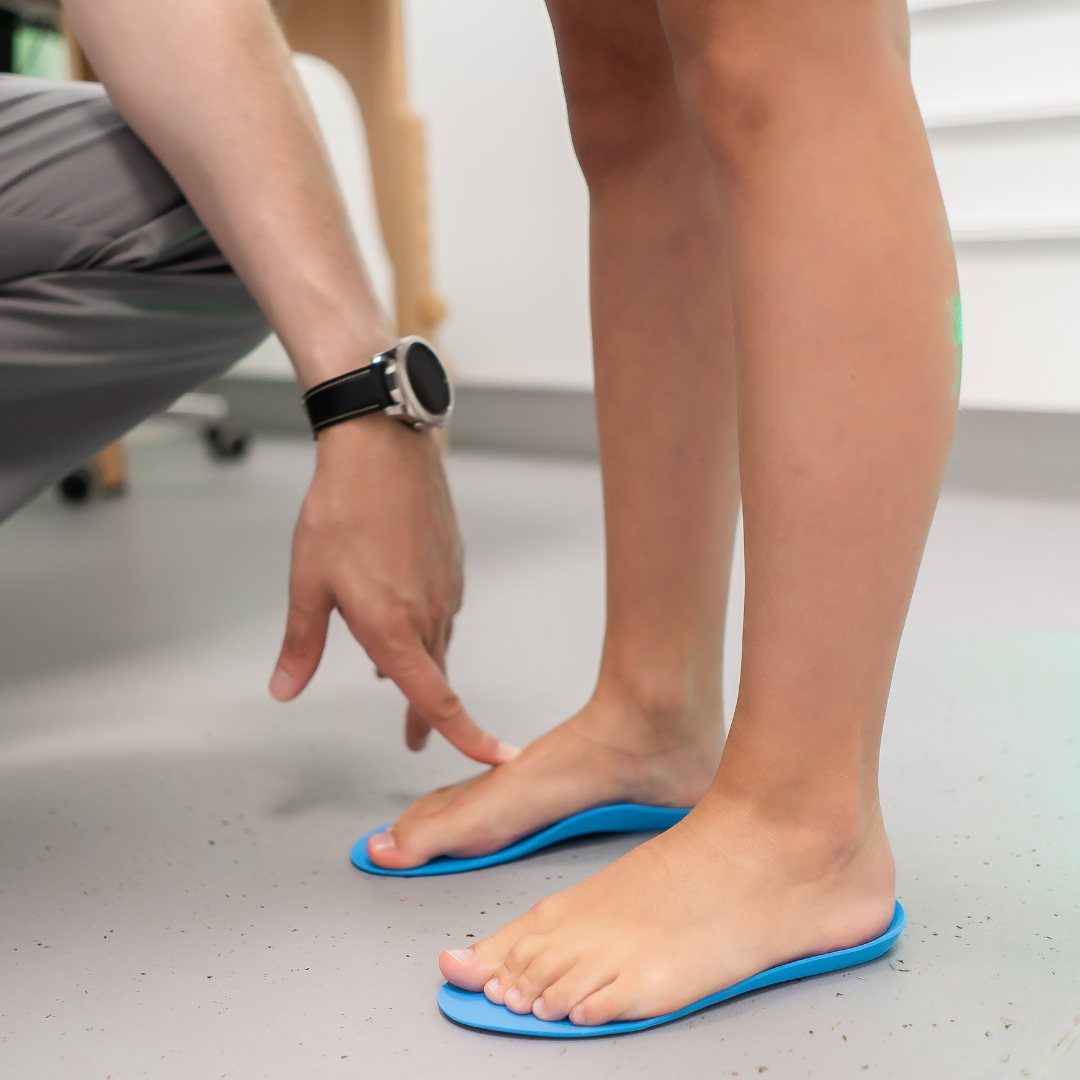
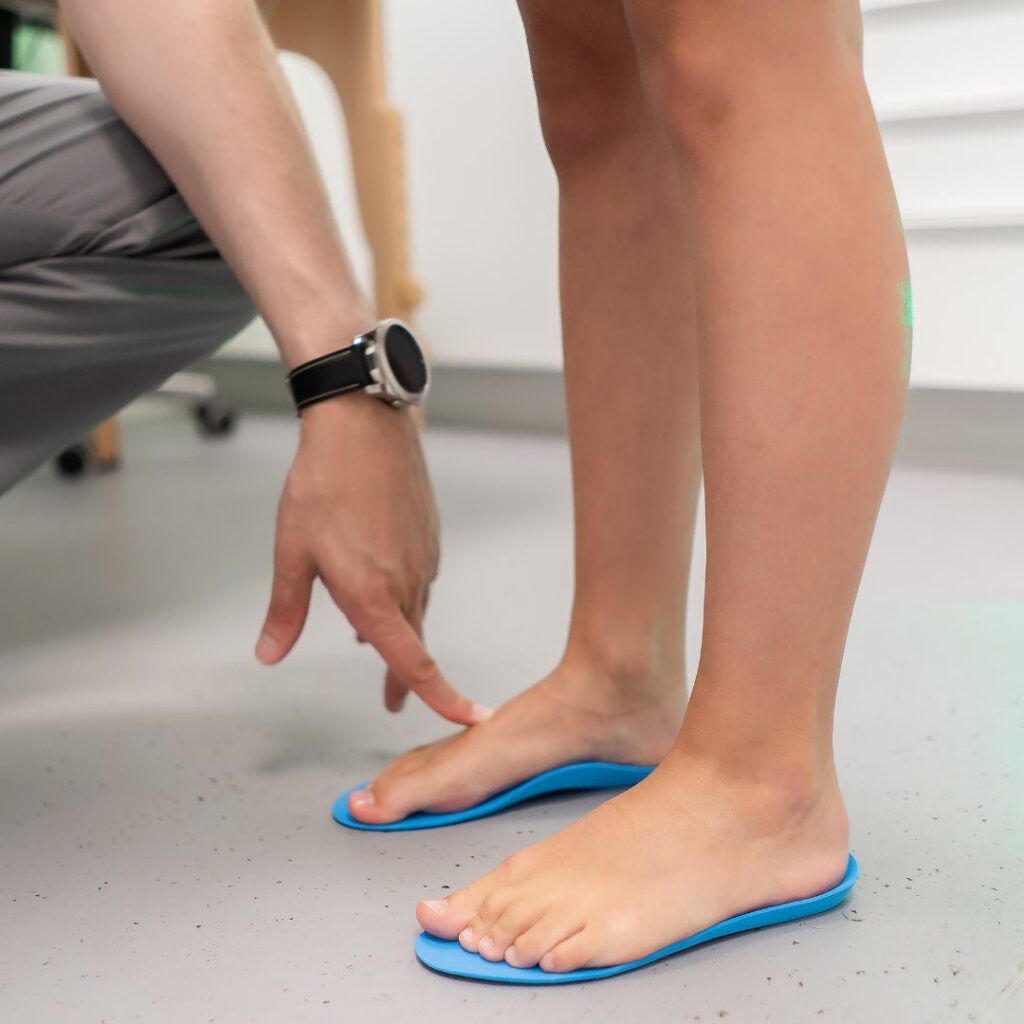
Custom orthotics match the shape of your own foot rather than forcing you onto a generic arch.
A podiatrist casts or scans your foot while you stand and walk, then sends that mold to a lab that builds inserts from firm foam or plastic with the support placed exactly where your heel and arch need it.
The process takes two visits, sometimes three if the first pair needs tweaking. Insurance often covers part or all of the cost when heel pain is documented; call ahead to check your plan.
I would bring the shoes you walk in most, since orthotics designed for running sneakers fit differently than ones made for leather loafers.
A full-length rigid orthotic like this blue pair works well for dress shoes with removable insoles, though you may need to trim the front for narrow heels.
3. Heel Cups
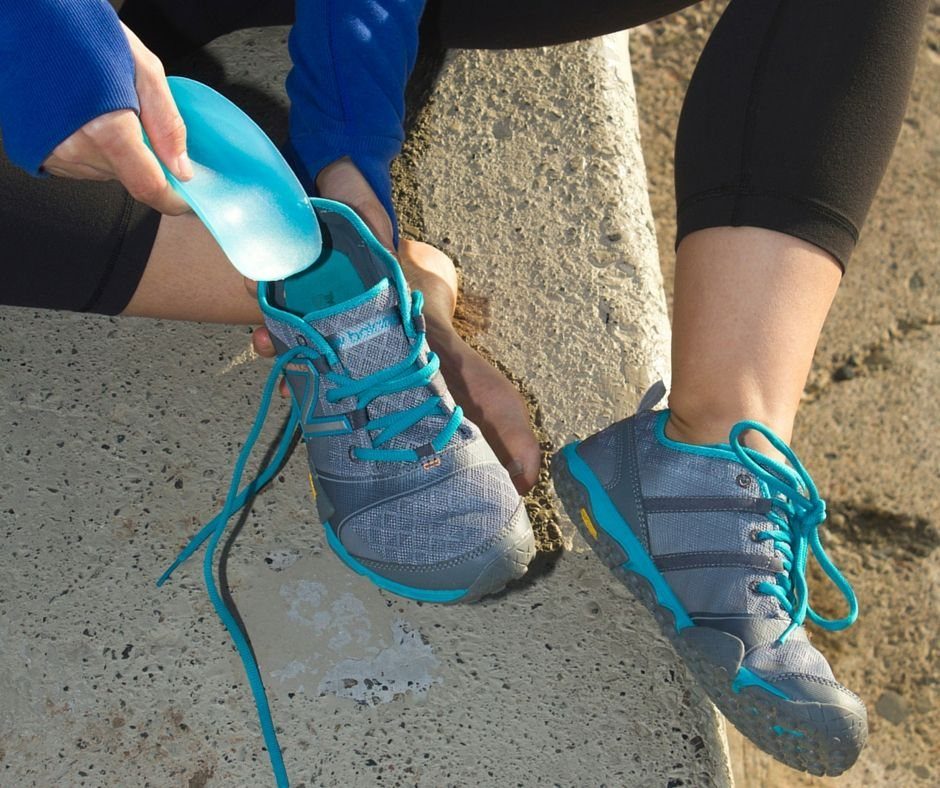
Heel cups are simple silicone or gel inserts that sit right under your heel inside the shoe, not a full insole that runs the length of your foot.
That smaller footprint makes them easy to move between pairs, and they add cushioning exactly where walking hurts most.
Heel cups this thin slip into running shoes without trimming, though boots or loafers work too if the fit stays snug enough that your foot does not slide.
I would check whether the cup has a raised rim around the edge, which helps keep the fat pad under your heel centered, or is flat like a disc. The rimmed style usually stays put better during a long day.
For heel pain that flares with your first steps in the morning, cups are a low-cost trial before committing to custom work.
Importance of Rest
Rest does not have to mean staying off your feet entirely, which most adults cannot manage anyway.
A day or two of swapping long walks for seated work or driving errands gives irritated heel tissue a real chance to calm down.
I would treat rest as a tool rather than a cure: use it to get through the worst flare, then layer in ice therapy and heel cups so you are not stuck in a cycle of stopping and starting.
For runners or anyone on concrete floors all day, the break matters more than which single treatment you pick. Custom orthotics help only if the foot they are built for is not freshly inflamed from yesterday’s miles.
Calf Stretching
Tight calves pull on the Achilles tendon and plantar fascia with every step, which turns ordinary walking into a tug on the heel. Stretching the lower leg is the pairing almost everyone skips while they hunt for the right insole.
The wall stretch, with hands pressed flat and one leg extended behind, should last 30 seconds per side and hit after you stand up in the morning.
I would keep the heel flat on the floor; lifting it early cheats the stretch and the relief never arrives.
A foam roller under the calf works too, though it hurts more and shows results slower than the wall version.
Frequently Asked Questions
How do I stop my heels from hurting when I walk?
Start with ice therapy: 20 minutes of cold, 10 minutes of warm water, then cold again. That temperature shift moves blood through the tissue and calms inflammation.
Is heel pain a symptom of diabetes?
Diabetes can cause heel pain through nerve damage or poor circulation, so a doctor’s visit is worth it if the usual fixes are not helping.
The methods here, ice therapy, heel cups, custom orthotics, and calf stretching, address mechanical foot strain rather than nerve or circulation conditions.
Will plantar fasciitis go away by itself?
Plantar fasciitis often calms down with rest and consistent treatment, though rest alone is more of a flare management tool than an actual cure.
Layer in ice, heel cups, and stretching so you are not stuck cycling between stopping and starting. Professional help with custom orthotics is worth considering if the pain keeps returning.