The shoes below run from flat leather flip flops to 4-inch pointed pumps, and the right choice depends more on dress length than on occasion.
A midi hem at the widest part of your calf needs a slim sandal or low vamp pump to keep the ankle line clean, while a maxi swallows delicate shoes and needs a platform block heel with enough visual weight to show underneath.
I look for a 3.5–4 inch heel on the pumps and check that a maxi hem lifts just clear of the ground in whatever height I actually plan to wear.
1. Denim Dress + White Sneakers

A denim dress with white sneakers works because the rugged fabric needs something clean against it.
I look for retro high-tops with minimal branding, the kind that read as intentional rather than leftover from the gym. The shirt-dress cut in the photo sits loose, so the sneaker’s structure keeps the silhouette from going sloppy.
This is the outfit I throw on for Saturday errands that turn into brunch. A crossbody bag and maybe a textured belt finish it without trying hard.
2. Loafers for Babydoll or A-Line Dresses
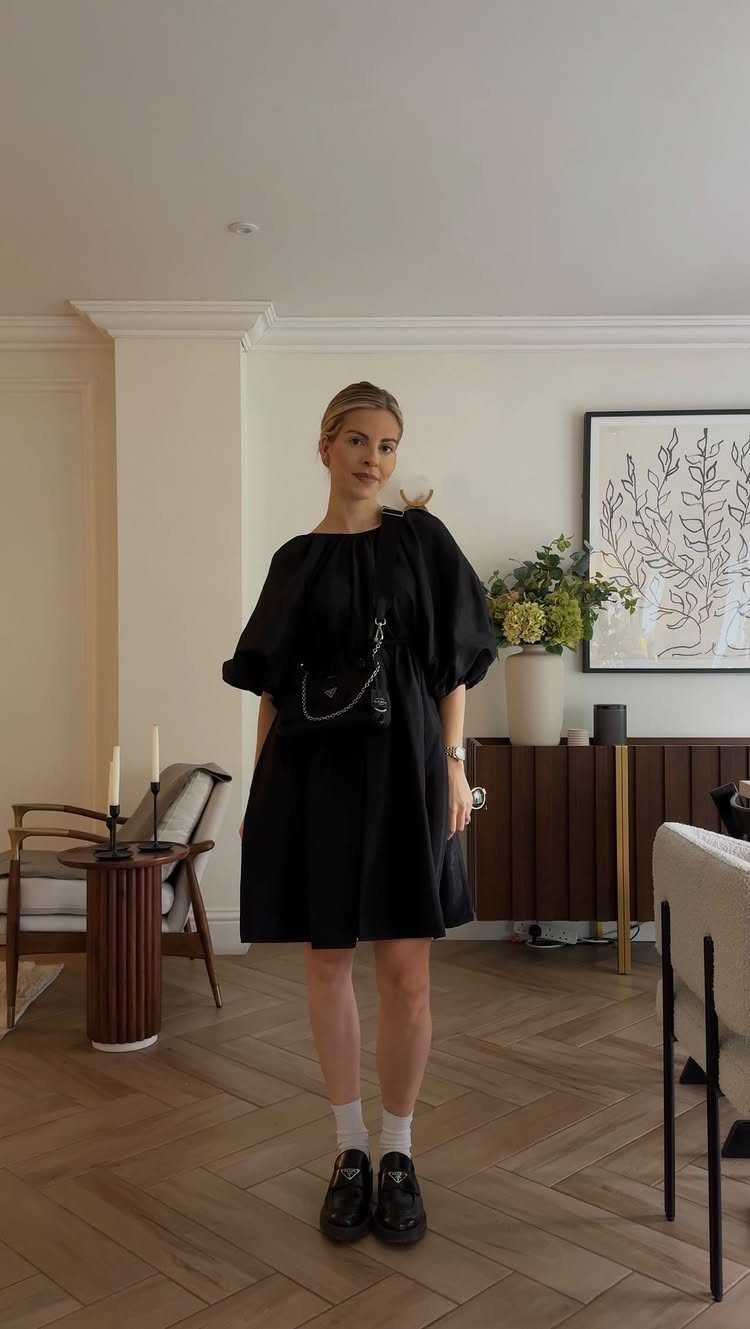
Babydoll and A-line volumes can feel too sweet, too young, or just too much fabric without the right anchor. Black loafers with white socks do the job by adding a tailored, almost school-uniform edge that cuts the sugar.
I prefer a penny loafer or one with a small buckle detail in leather that will soften over time.
Metallic finishes and textured mules also work if you want something that reads more evening than daytime. For the office, add a blazer; for low-key plans, a denim jacket keeps the same balance.
3. Cowboy Boots with Denim Dresses
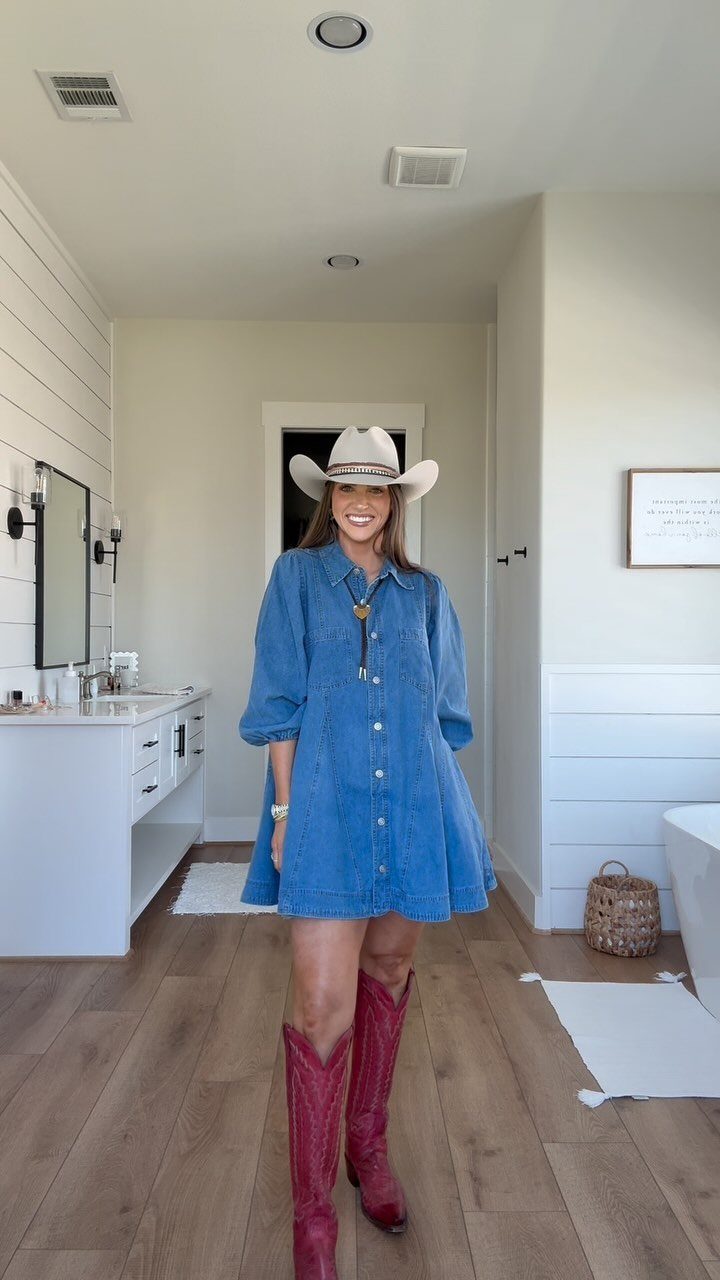
Denim on denim only works when the tones differ enough to read as separate pieces. The light wash dress against reddish-pink boots in the photo gets this right; matching blue boots would flatten into costume.
Soft leather cowboy boots mold to your calf over time, which matters more with a taller shaft.
Ankle-height versions are easier for everyday, but the full height reads more deliberate with a mini. I would skip the hat unless you already own one; the boots carry the point alone.
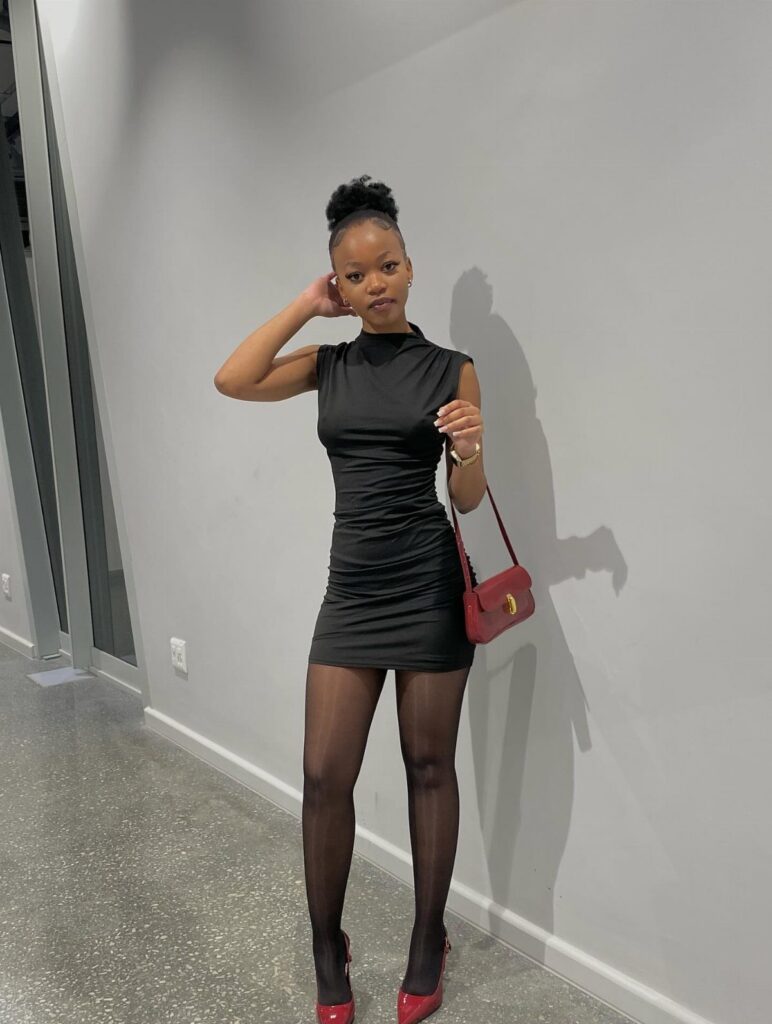
4. Bodycon Dress + Pointed Pumps
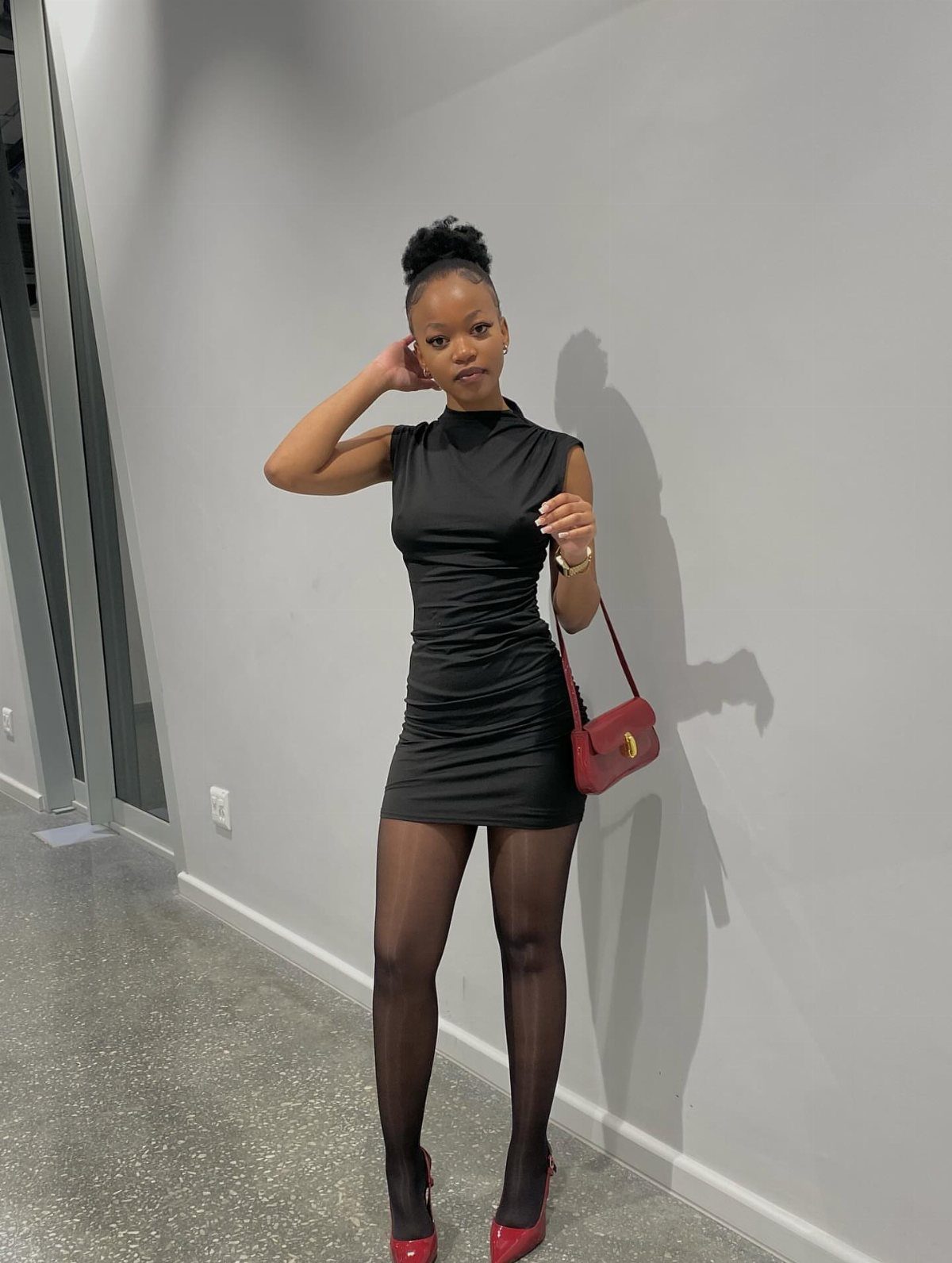
A bodycon dress leaves nowhere to hide, so the shoe needs to finish the line rather than interrupt it.
Pointed pumps extend the leg visually in a way rounded toes never manage; the red against black in the photo adds its own punctuation.
I would keep the heel at 3.5–4 inches for wearability.
Sheer tights extend the season into cooler months without breaking the continuous silhouette. This is the pairing for interviews, client dinners, or any room where you need to arrive with immediate authority.
5. Block Heels with Maxi Dresses
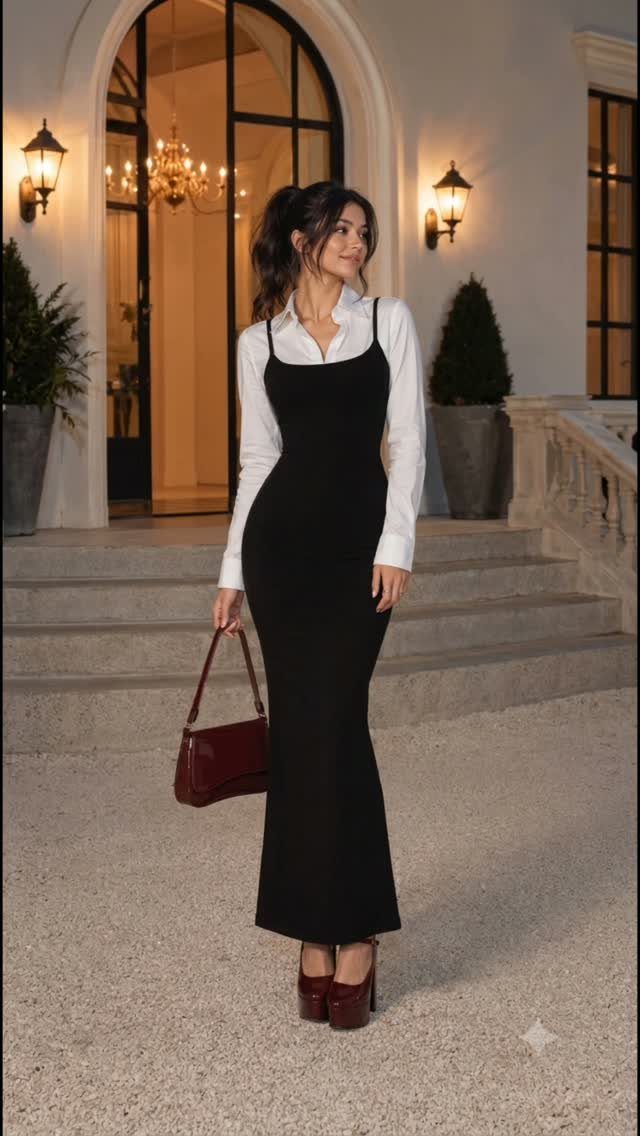
Long hems swallow delicate shoes whole, so a maxi dress needs something with visual weight underneath. Platform block heels give that substance plus the stability to actually walk in the thing for more than 20 minutes.
Check that the heel height lifts the hem just clear of the ground; dragging fabric ruins the line and the dress.
The burgundy against black in the photo works because both are deep tones rather than competing brights. A white shirt layered underneath, visible at collar and cuff, keeps the look from going too formal for daytime.
6. Midi Dress + Flip Flops
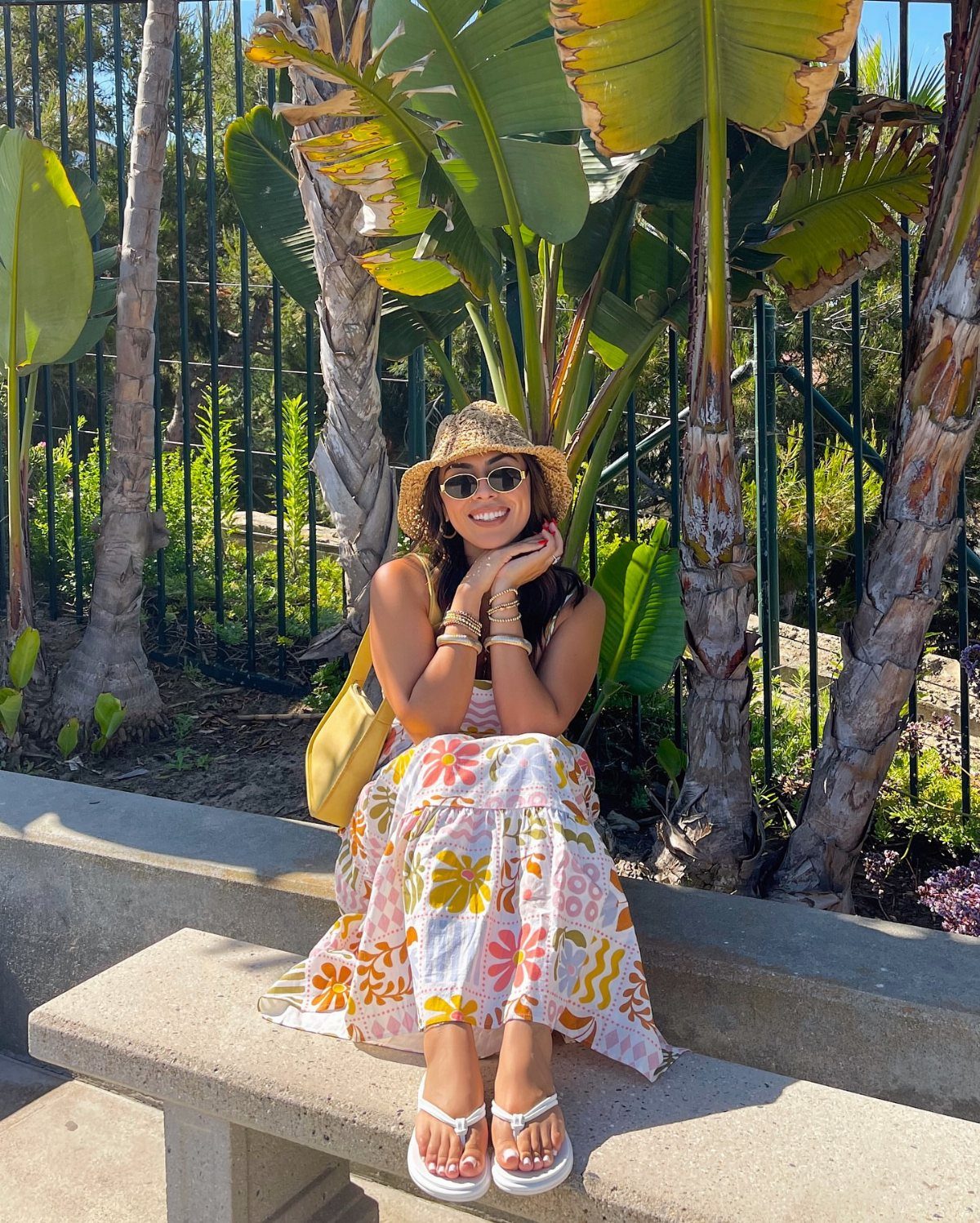
Midi length hits at the widest part of the calf, which can feel matronly unless the shoe keeps the ankle line clean. Slim leather flip flops do this; rubber pool versions would drag the whole outfit toward beachwear.
The floral dress in the photo reads city-luncheon rather than resort because the sandal is structured and the hat is straw rather than raffia.
I would choose a leather sole that will darken and soften, not synthetic that stays shiny. This is summer dressing at its least complicated: one piece, one shoe, done.
7. Knee-High Boots with Sweater Dress
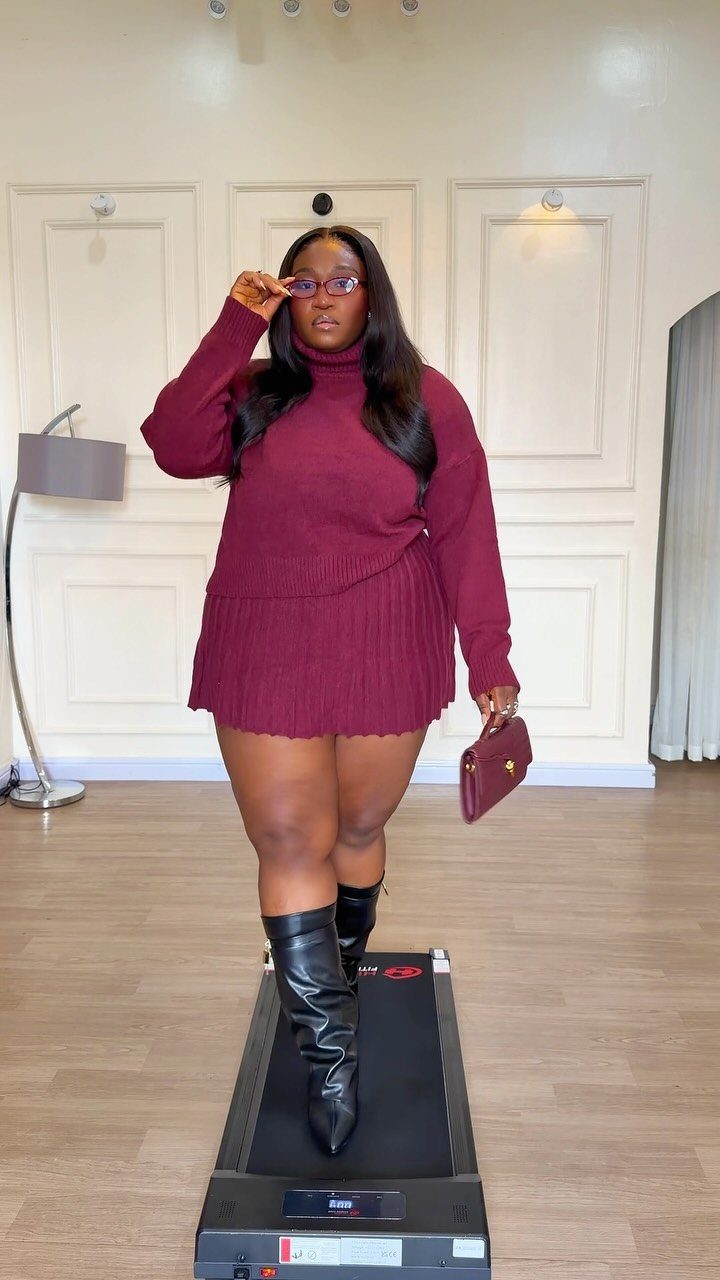
Sweater dresses have a way of looking like you gave up, unless the boot underneath adds enough structure to read as deliberate.
Knee-high boots in smooth leather, not suede, give that contrast against soft knit.
Matte black boots against a sheened burgundy sweater dress catches light in a way that reads expensive without trying. A slightly pointed toe keeps the line moving forward; a rounded toe would feel dorm-room.
A chunky heel adds wearability for actual walking, and the height keeps the hem from pooling. I would add sheer tights in a tone close to skin rather than opaque black; the break between boot and dress stays cleaner.
This is the outfit for days when comfort is non-negotiable but the mirror still matters.
Comfort Over Style
The best shoes for dresses are the ones you will actually wear through a full day. A 3.5-inch heel means nothing if you change into flats by 2 PM.
I have learned to test any new pair on hard floors for at least 20 minutes before committing. A shoe that pinches in the store will not loosen to fit; leather gives slightly, but not enough to save a wrong size.
For events where standing is guaranteed, I pack a backup in the car and do not consider it a failure.
The current shift toward chunkier soles and lower heels is not a loss.
A block heel or thick-soled loafer keeps the line of a dress intact while letting you walk to lunch without planning the route around benches. That practicality shows in posture more than any stiletto could.
Versatility of Shoes
A single pair that works for multiple settings saves money and closet space. Metallic loafers carry this better than most: the same shoe that reads office-appropriate with an A-line dress shifts to evening when the hardware catches restaurant light.
I look for this dual-use potential in every purchase now. A sandal with enough structure for city streets but clean enough for dinner, a boot that works under jeans or over tights with a midi.
The test is whether I can picture it with at least 3 outfits I already own.
The mistake is buying for a single imagined occasion.
That strappy heel worn once to a wedding costs more per wear than the block heel you reach for weekly. I count wears now, not compliments.
Dress Length Considerations
The hemline sets the shoe’s job.
Midi length demands the most care. Slim sandals or a low vamp pump do this; anything with ankle straps or heavy coverage compounds the problem.
Maxi dresses give the most shoe freedom but still need thought. A heavy platform or boot can anchor a long dress that would otherwise swallow something delicate; barely-there straps work better with hemlines that show more leg.
I check the hem clearance with the actual heel height I will wear, not the one on the tag.
Material and Style Matching
Fabric weight should guide shoe substance. A heavy knit sweater dress needs leather boots with structure to stand up to it; pairing it with a thin ballet flat looks like a category error.
Light summer fabrics work the opposite way. A floral cotton midi wants leather sandals that will soften and darken, not chunky hardware that overpowers the print.
Color follows the same logic.
Neutrals, beige, black, and metallics bridge mismatched fabrics without forcing a match that isn’t there. I default to these when the dress itself is the statement.
Frequently Asked Questions
Can sneakers be worn with dresses?
Yes, and the pairing works best when the sneaker reads as intentional rather than athletic. White leather stays cleaner against rugged fabrics than mesh or bright colors would.
Which shoe is suitable for all dresses?
No single shoe works for every dress, but metallic loafers come closest by shifting from office to evening depending on what catches the light.
A shoe bought for one imagined occasion usually costs more per wear than the one you reach for weekly.
What shoes help plantar fasciitis?
For plantar fasciitis, look for shoes with firm arch support and a slightly raised heel; brands like Vionic, Hoka, and Dansko get mentioned most often by readers who stand all day.
The current shift toward chunkier soles and lower heels is not a loss; a block heel or thick-soled loafer keeps the line of a dress intact while letting you walk without planning the route around benches.
What are the trendiest casual shoes now?
Wedge heels may be coming back as of 2026, and chunky soles with lower heels are replacing thinner profiles.
The trend worth following is the one that shows in your posture after a full day, not just in the mirror at 9 AM.