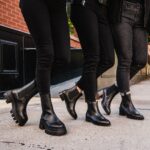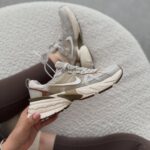
These shoes range from budget-friendly Skechers to rebuildable Mephisto lace-ups, and the right choice depends on whether you need built-in structure or a base for your own orthotic.
A Chacos LUVSEAT footbed carried one wearer through years and a child’s worth of foot swelling, which tells you how much the match between arch shape and support layer matters.
1. Cloudstratus 3
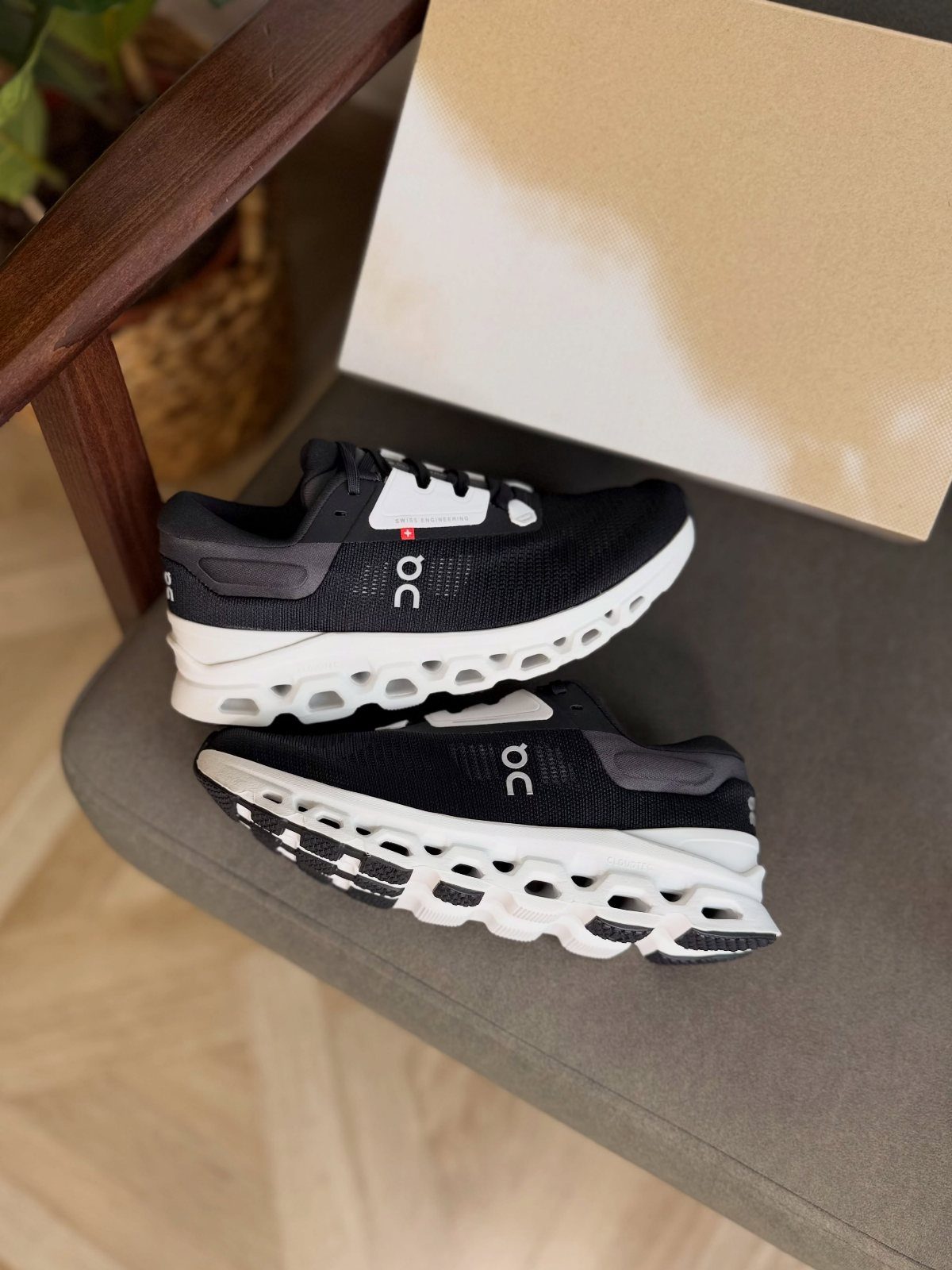
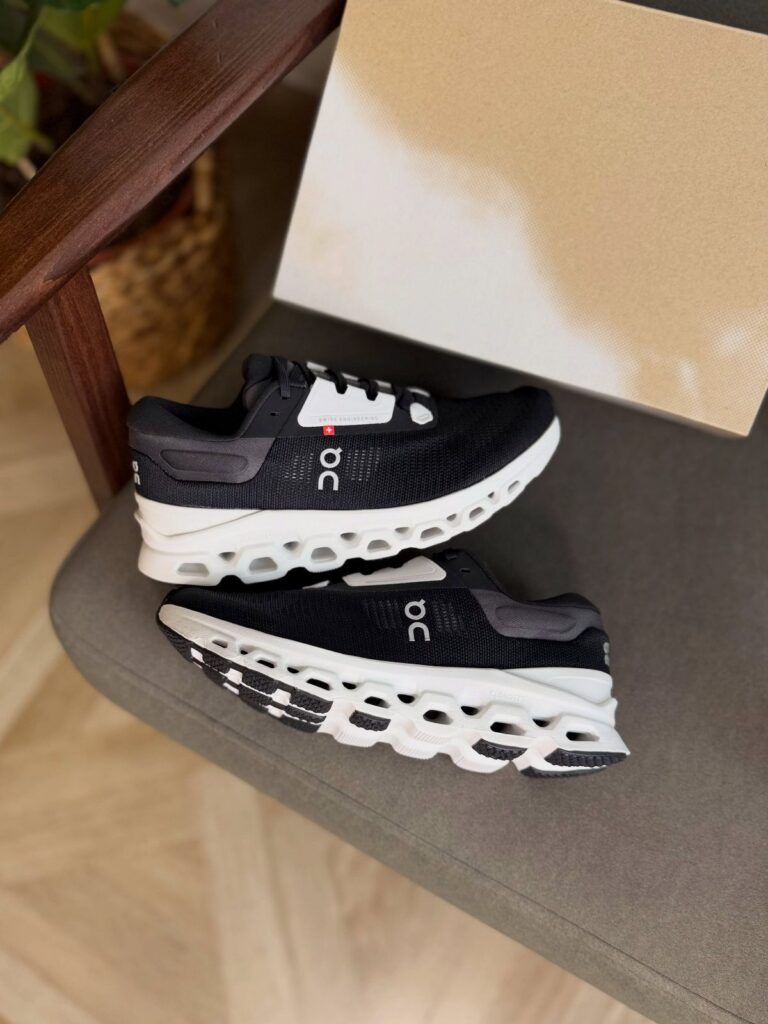
The On Cloudstratus 3 sits at a useful middle point: more cushioning than most stability shoes, more platform control than most cushioned ones. Double CloudTec layering gives the stack height without the wobble that often comes with it.
Test it on corners and slow walking, not just straight-line running.
The geometry matters more when you are standing still or changing direction. I would start here if substantial cushioning is non-negotiable but very neutral maximal shoes feel too loose underfoot.
If you want to feel the pavement under you, or if a tall platform makes you unsteady, other On models run lower and lighter.
2. Sanita Shoes
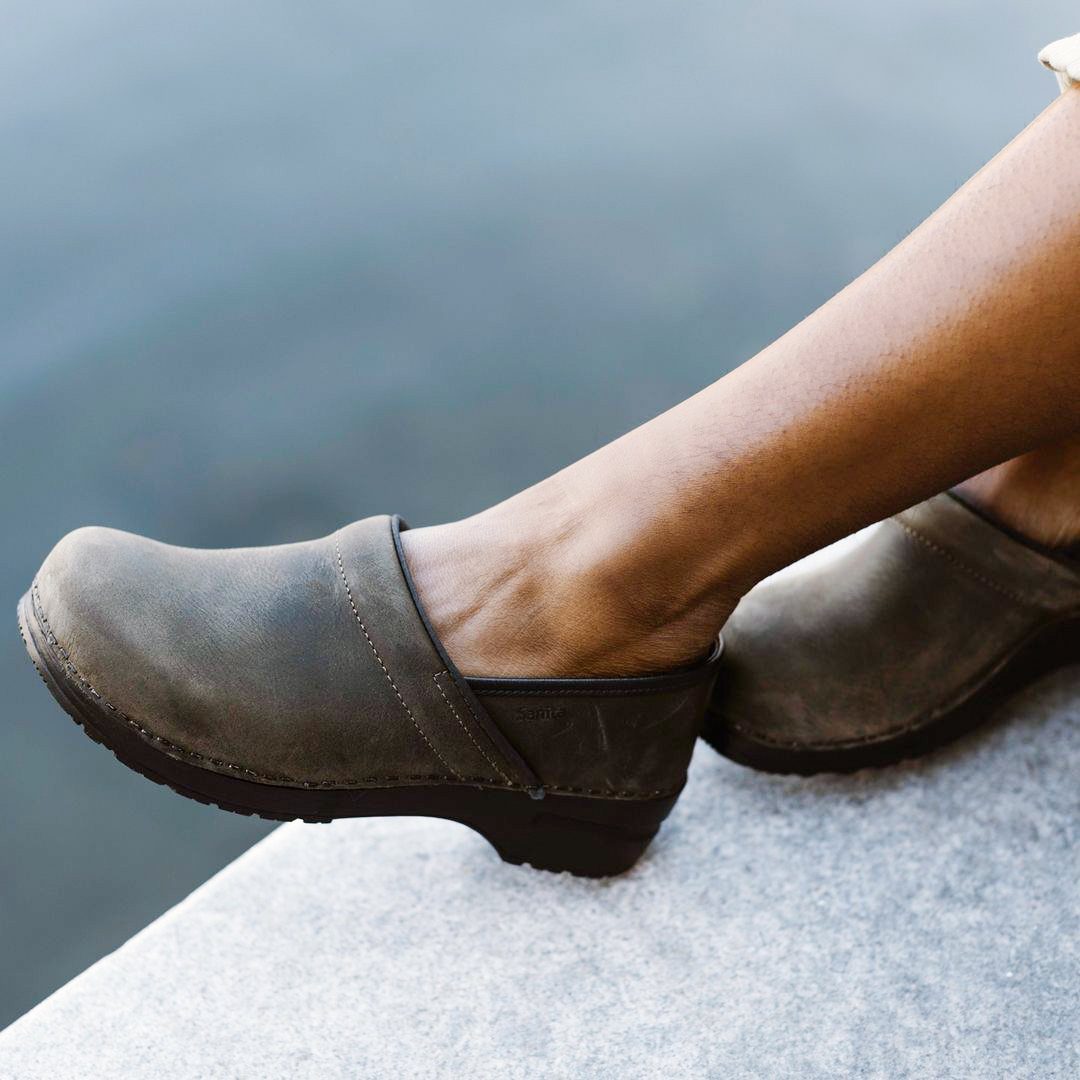
Sanita built the original Dansko clogs before the split, and the construction lineage still shows.
The leather is thicker, the footbed breaks in faster, and the overall fit runs slightly narrower through the heel. That last part matters if you have been swimming in Danskos.
These are work clogs in the true sense: standing-all-day shoes for kitchens, clinics, and classrooms. The arch support is built in, not an afterthought insert, and the rocker sole keeps you moving through long shifts.
I would try Sanita if Dansko’s width or break-in period has been a problem. Same general category, different body.
3. Birkenstocks with Good Arch Support
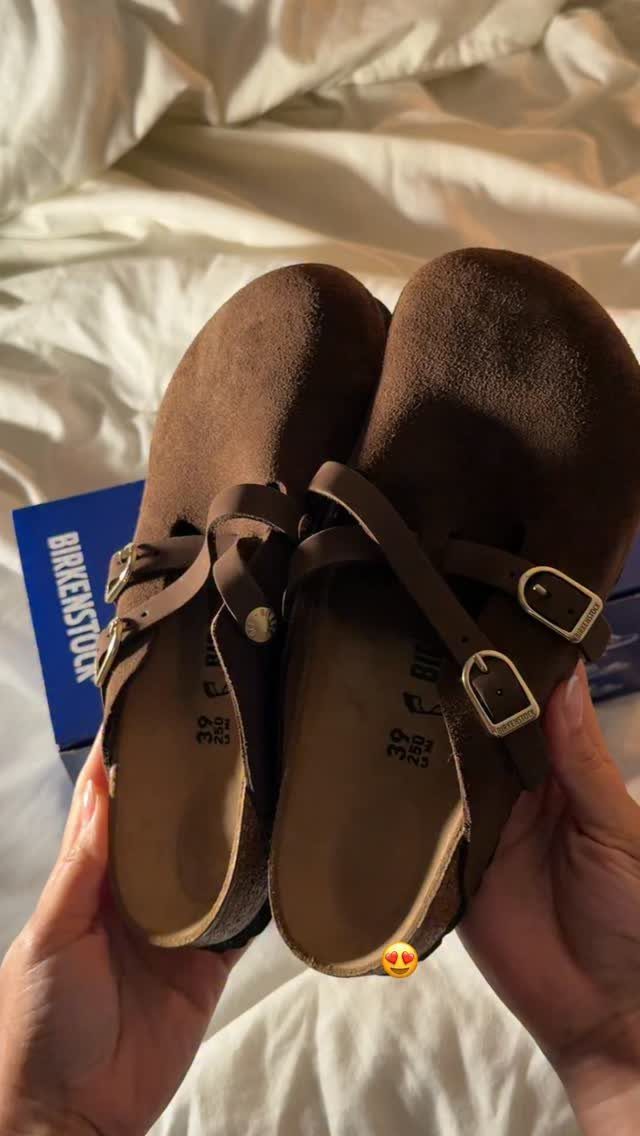
Birkenstock’s cork-latex footbed is the reference point most other arch-support shoes are measured against.
The open-back Boston clog stays on your foot well enough for daily wear, though I still prefer the strap of the Arizona slide when I am walking any real distance.
Decide whether you need the soft-footbed version or the original.
The soft footbed has a foam layer under the suede liner; it feels better immediately but compresses faster. The original is firmer at first and lasts longer.
Check that the arch hits your actual arch, not behind it. Birkenstock’s placement is high and far forward, which suits some feet perfectly and misses others entirely.
4. Skechers Shoes
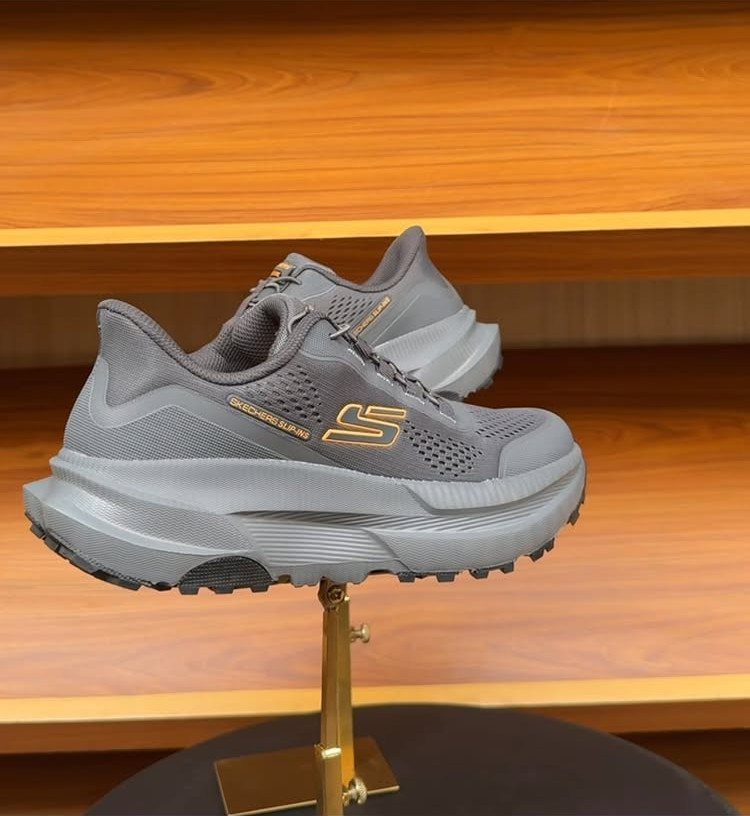
Skechers built its reputation on soft, and that is what you get: foam that compresses easily under a light load.
The arch support is basic, not structural, but for all-day standing on forgiving surfaces it is enough to keep fatigue at bay.
These are not shoes for heavy orthotics; the insole is glued in and the midsole is too yielding to stabilize a rigid insert.
I would use them as-is for errands, travel days, or any situation where taking shoes on and off repeatedly matters more than maximum support.
Laced Skechers with more support exist, but that is a different category entirely.
5. Chacos Sandals
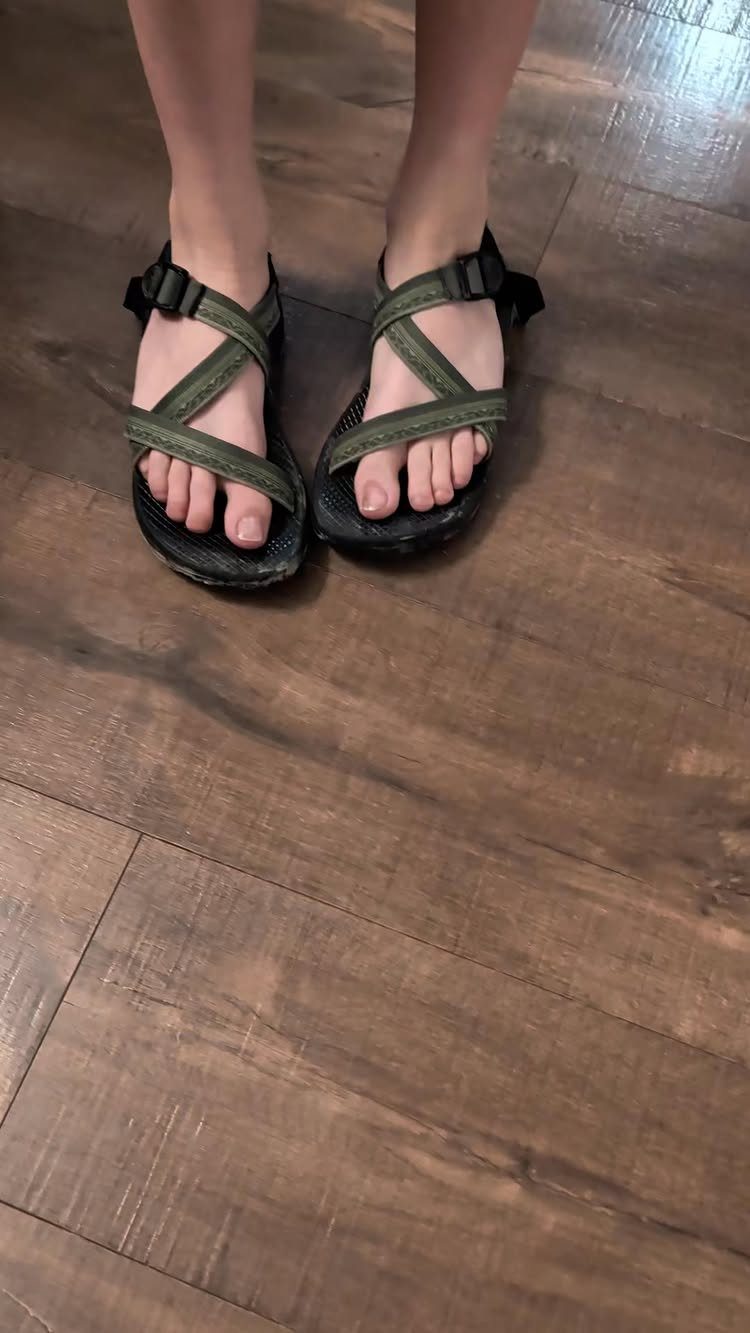
Chacos read as outdoor gear, and they are, but the strapped construction also suits anyone who needs a sandal that will not slide around under a challenged foot.
The single continuous strap adjusts at every point, so you can lock the heel, snug the midfoot, and leave the forefoot room to swell.
The LUVSEAT footbed is the support layer: a shaped polyurethane bed with a defined heel cup and raised arch.
One wearer noted their pair lasted 13 years and went to SSAR 2026 on the feet of the child who originally caused their foot swelling. That is a durability claim and a fit claim in one.
I would wear these for casual summer days, light hiking, or any water-adjacent activity where a closed shoe is wrong but a flimsy sandal is worse.
6. Mephisto Shoes
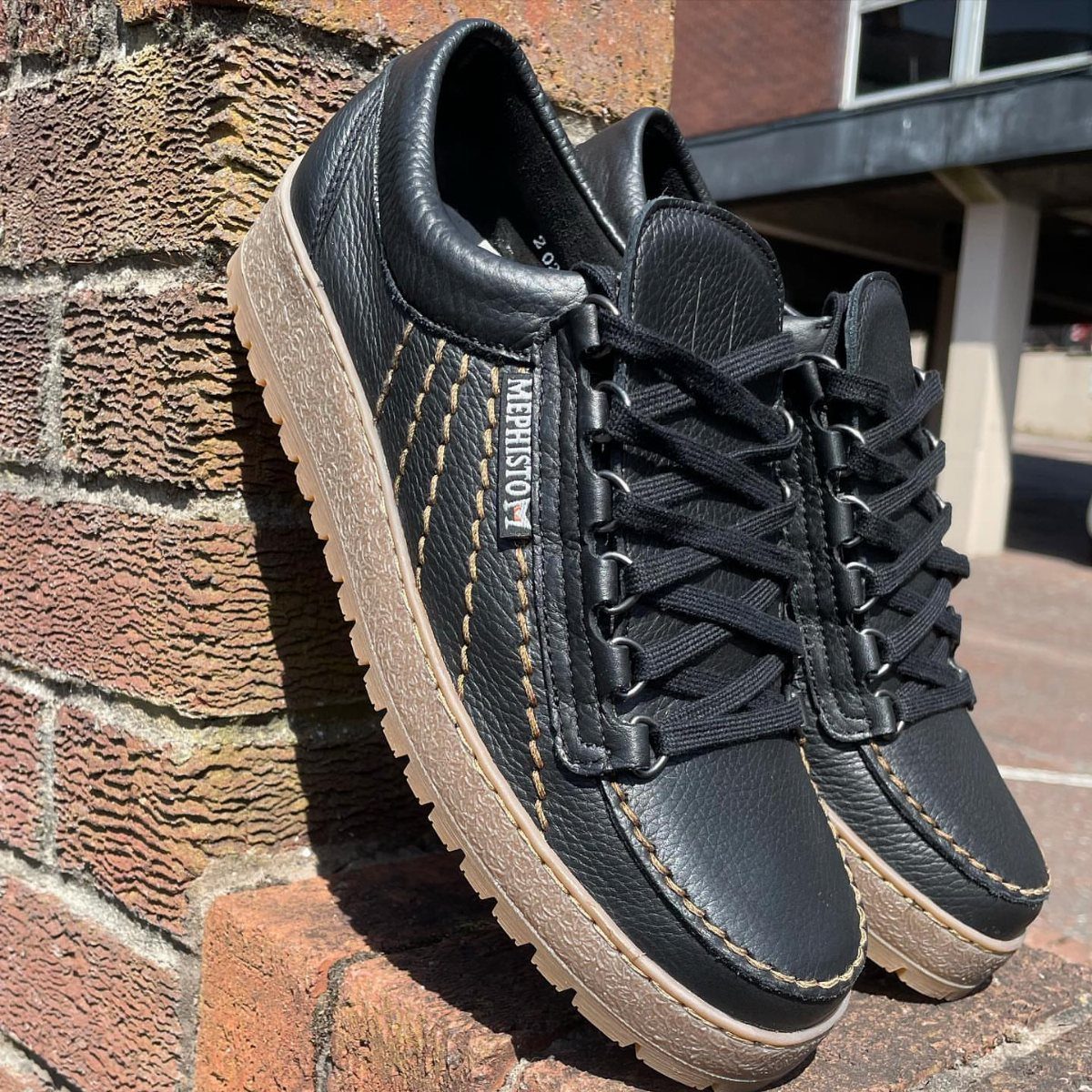
Mephisto occupies a narrow space: European construction at a price point above mass-market comfort brands, with the hardware to justify it.
The Soft-Air technology is their midsole system, built to reduce shock while keeping the footbed shape stable over years, not months.
The lace-up style lets you adjust the fit through the day if your feet swell, which the slip-on version does not.
The thick tan rubber sole is replaceable on many models; that matters more than people realize, since the upper leather often outlasts two or three soles.
I would point someone with recurring foot issues here before most alternatives. The combination of shaped support and rebuildable construction means the shoe adapts to you over time rather than breaking down into a flattened compromise.
7. Nike Sneakers with Arch Support Insoles
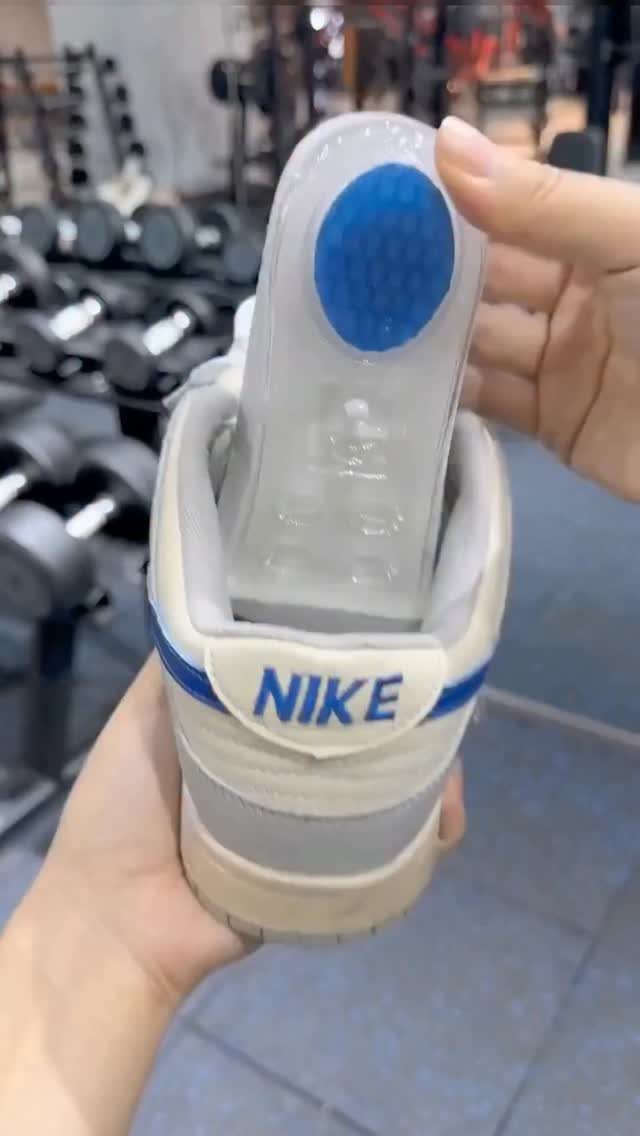
Nike sneakers with added insoles are a modular approach: the shoe gives the platform, the insert gives the shape.
The clear gel insole with blue heel padding visible here is a replacement, not a factory layer, which means you can swap it as your needs change.
Check that the insole’s arch height matches your own and that the heel cup does not lift your foot so high the shoe’s collar rubs. A too-thick insert in a low-volume sneaker causes more problems than it solves.
I would use this setup for gym work or short runs where the shoe’s original insole is not enough but a full medical orthotic is overkill.
8. Cushioned Running Sneakers
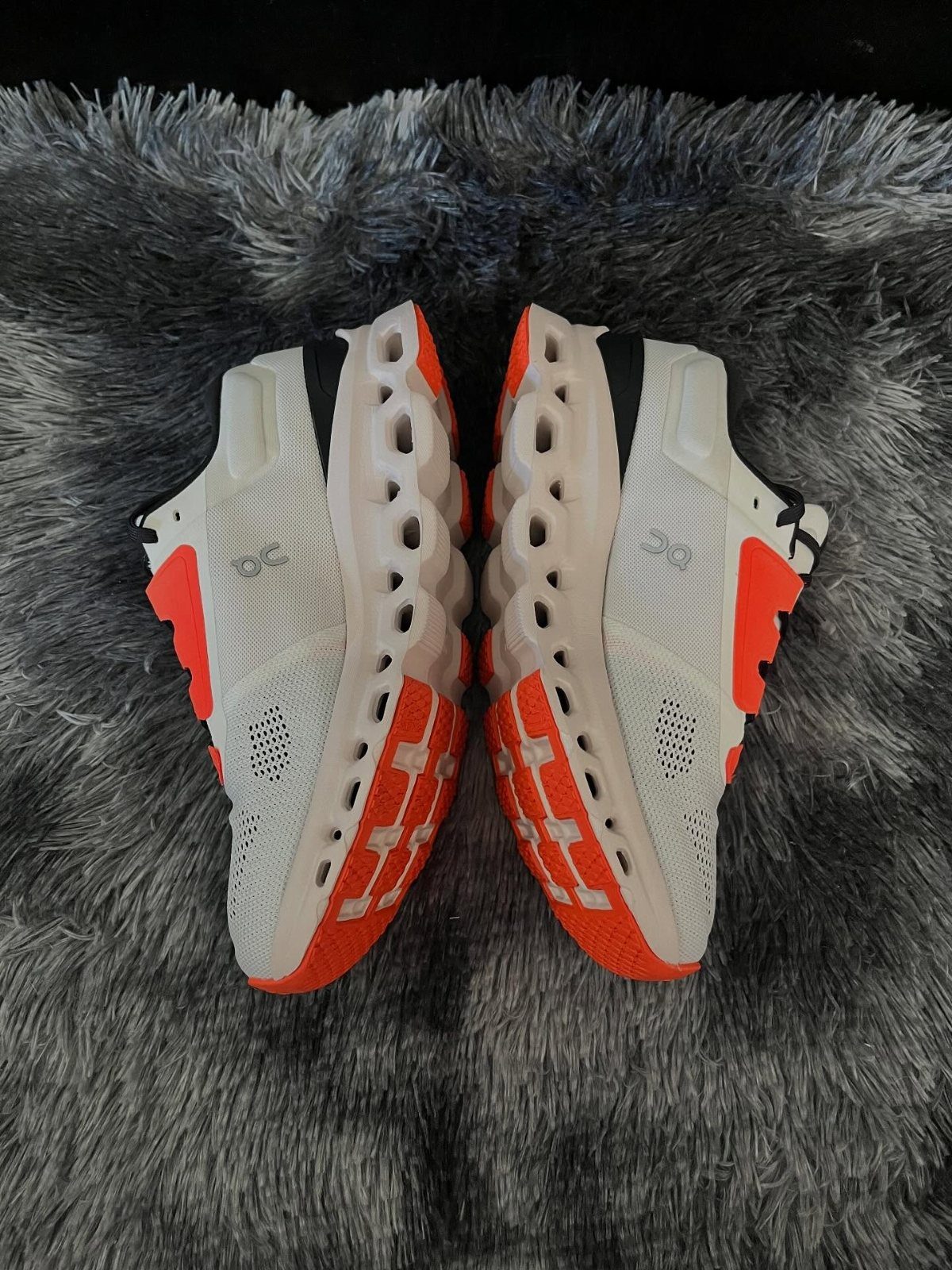
Thick-cushioned running shoes like the white and orange pair here promise comfort through stack height, but cushioning and arch support are separate questions. A tall platform can feel stable or wobbly depending on the midsole geometry and your own gait.
I take mine through a quick figure-eight in the store, not just a straight walk down the aisle, since cutting hard to the side is where a weak arch support shows itself first.
The rocker shape that helps running efficiency can feel awkward at standing-desk height or when cornering at pedestrian speed.
I would start here only if you already know you like maximal cushioning and your feet do not need rigid structural correction. For pure arch support, lower-profile stability shoes often control motion better than thick neutral ones.
9. Supportive Suede Walking Sneakers
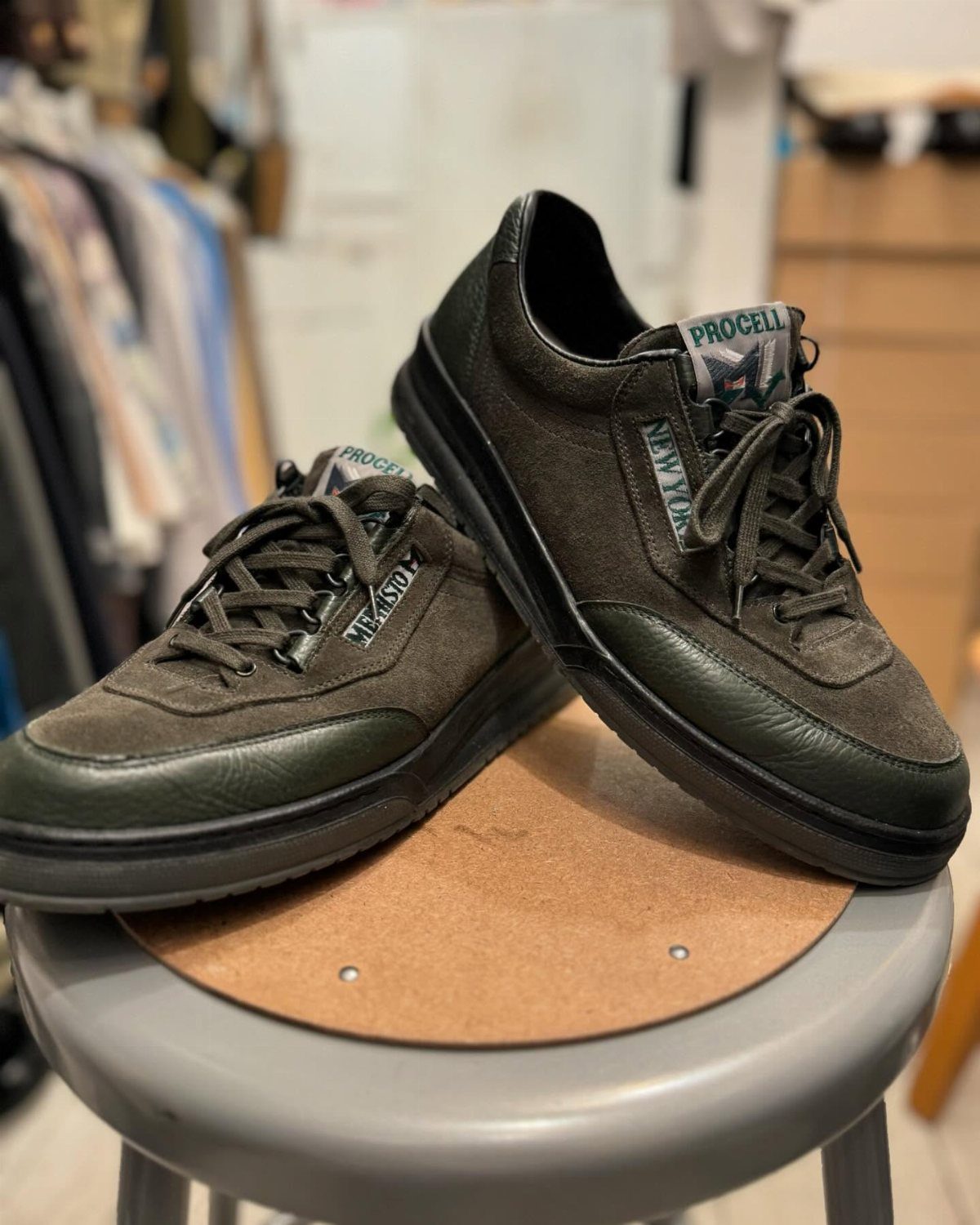
Suede walking sneakers in dark olive with black laces sit at the intersection of casual style and built-in support. The visible sole is thick and shaped, not a flat slab, which suggests the footbed has contour rather than just padding.
Check whether the lacing reaches low enough to adjust fit across the forefoot; suede stretches with wear and a snug start prevents the sloppy fit that develops later.
The leather trim at the heel and eyestay will outlast pure suede panels, so expect color variation as the materials age differently.
I would wear these for city walking days where sneakers look right but flimsy ones leave me sore.
Importance of Arch Support
A gentler arch that stays comfortable through a full shift beats a dramatic one that starts aching after an hour.
Flat feet and plantar fasciitis both change what your arch needs from a shoe.
The former often needs structure to compensate for a collapsed arch; the latter needs support placed precisely where the fascia attaches, which is forward of where many insoles put their peak.
Test any shoe for the specific condition you have, not for arch support in general.
Compatibility with Orthotics
Custom orthotics take up space and shift where your heel sits, so walk the full combination around the store before you commit.
Stacking a rigid shoe on top of a rigid insert can fight your foot instead of guiding it; a simpler base sometimes works better.
Some shoes expect you to pull the factory insole, others do not; check the brand’s guidance before you force it.
On running shoes may work when the fit is checked with the actual insert in place. Birkenstock’s built-in footbed is the point of the shoe, so adding an orthotic replaces rather than enhances the design.
Personalized Fit
If you already own an orthotic, carry it with you and try it inside every candidate. That insert will eat up room, lift your heel slightly, and move the arch contact point forward or back.
Variety of Styles
High arches leave more vertical space between footbed and upper through the middle of the foot.
Even when the sole is right, a tight vamp or narrow tongue can squeeze across the instep and ruin the fit. Look for lacing or strapping that adjusts at multiple points, not just a single closure.
Match the style to the activity first, then check that the arch support lands where your foot actually needs it.
Frequently Asked Questions
What brands of shoes have the best arch support?
Birkenstock, Mephisto, Sanita, and Chacos all build arch support into the footbed itself rather than adding it as an afterthought.
Birkenstock built the cork-latex footbed that still sets the standard, and Mephisto’s Soft-Air midsole holds its shape through years of daily wear. Sanita’s work clogs and Chacos’ LUVSEAT footbed both offer defined structure for standing or walking long hours.
Are On Cloud shoes good for flat feet?
On Cloud makes several models flat-footed runners like, though the old rule that flat feet always need stability is less rigid than it used to be.
Fit, gait, symptoms, and intended use all matter more than the flat-foot label alone. Test the specific model with your actual foot in motion, not just standing still.