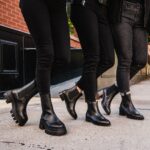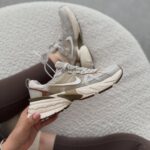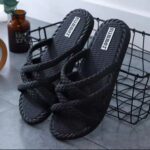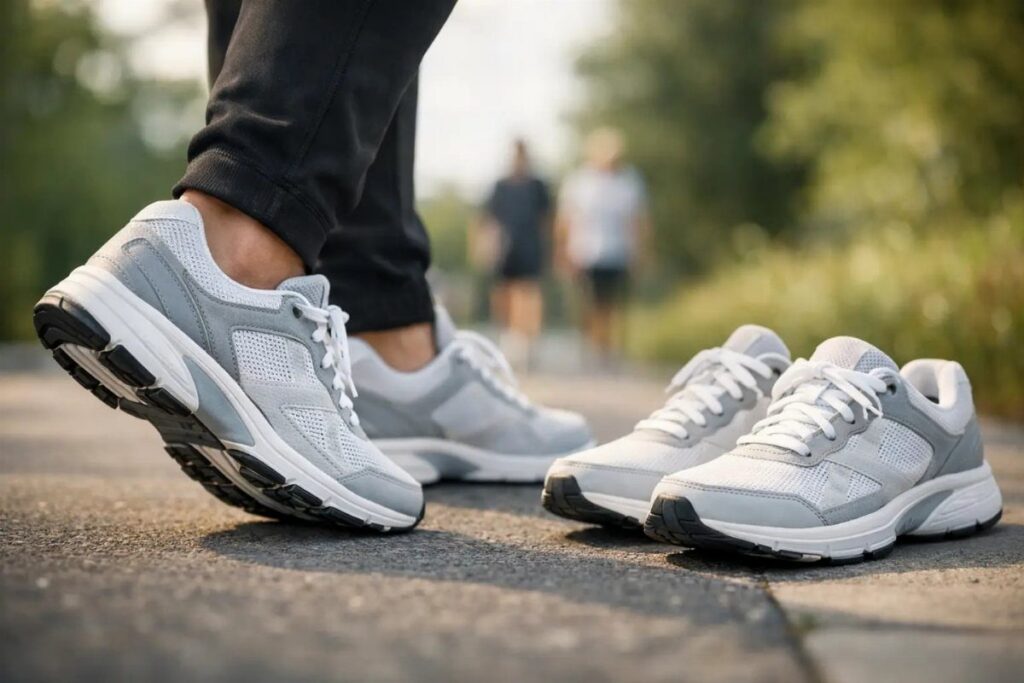
The right standing all day shoes range from budget sandals to full-price Hokas, and the deciding factor is what your floor is made of.
1. Shoes with Rubber Outsoles
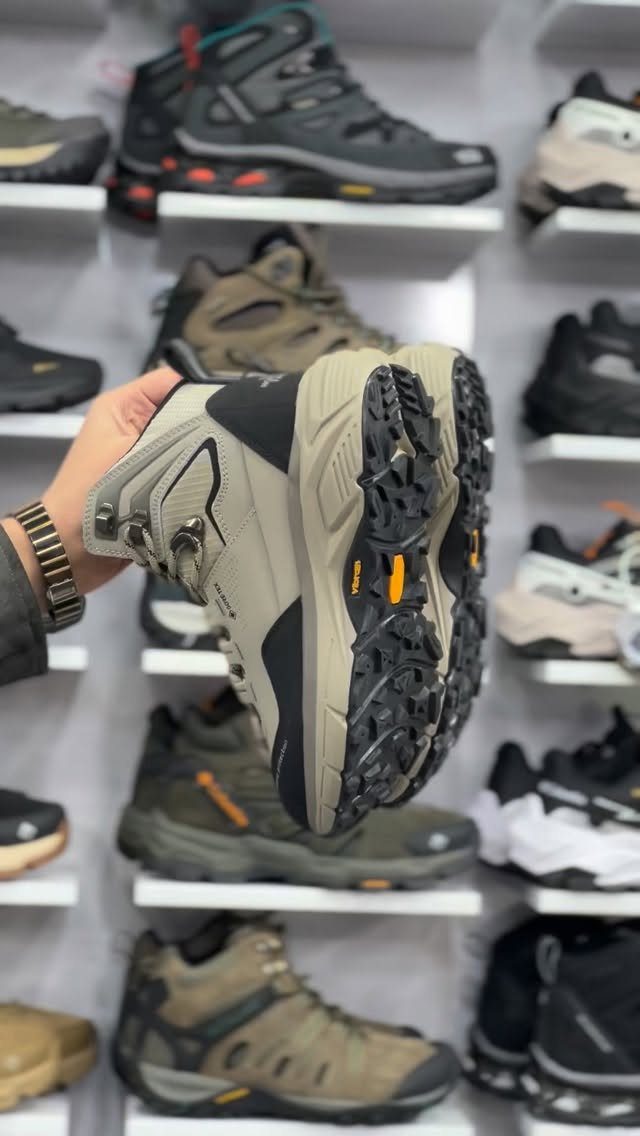
A rubber outsole is the part that actually meets the ground, and for anyone standing through a whole shift, that contact point matters more than the upper.
The tread pattern grips slick floors and outdoor pavement alike, which cuts down on the micro-adjustments that tire your legs.
What I look for is depth in the lugs.
Shallow ones flatten fast; a heavier lug pattern holds its shape through months of wear. I also check whether the rubber wraps slightly up the toe, since that is where scuffs start.
2. Best Sneakers
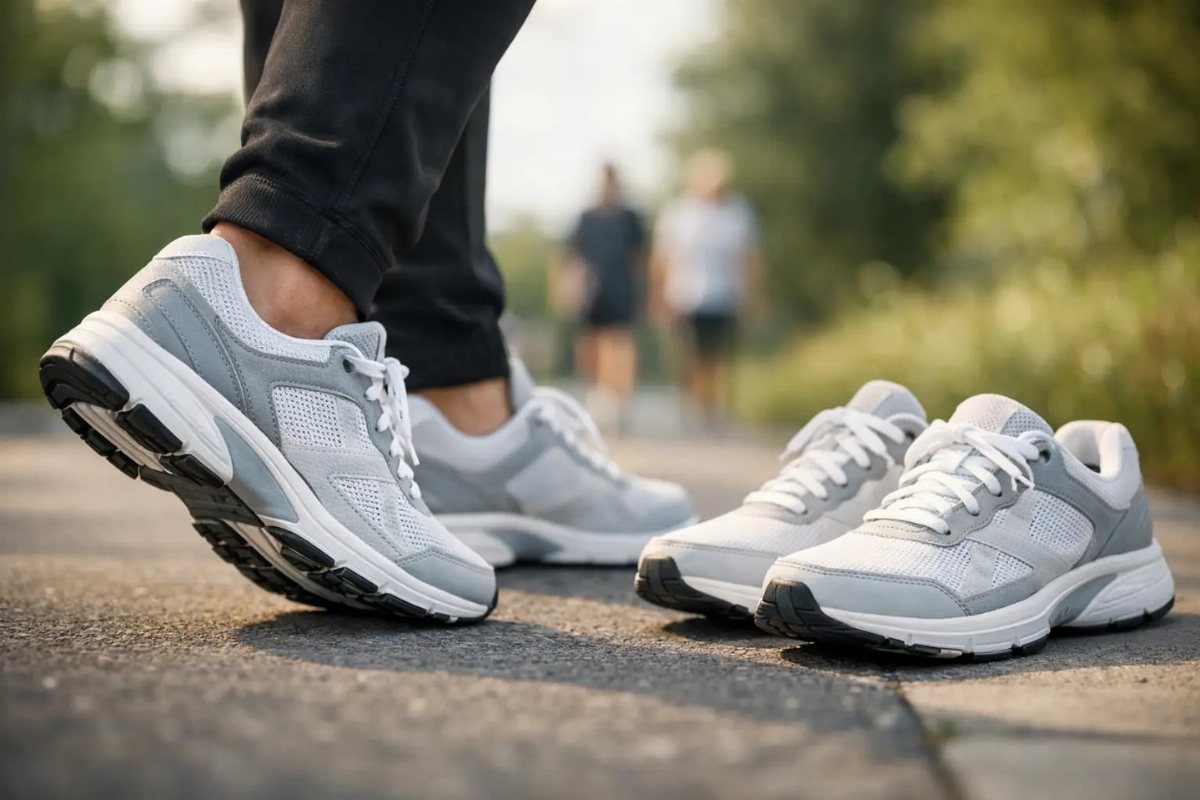
The right sneaker for standing all day needs enough cushion to absorb impact without letting your ankle roll.
I keep coming back to two models that foot doctors actually approve: the Asics EX89 and the Hoka Clifton 9. The Hoka carries an APMA seal, which means podiatrists reviewed it and found it genuinely benefits foot health.
What makes the Clifton work is the wide toe box combined with thick stack height. Your toes spread naturally, and the rocker geometry keeps you moving forward rather than sinking into each step.
Wide widths are available, though the price runs high. For me the trade is worth it; cheaper pairs cost me in knee stiffness by Thursday afternoon.
3. Shoes with Mesh Uppers
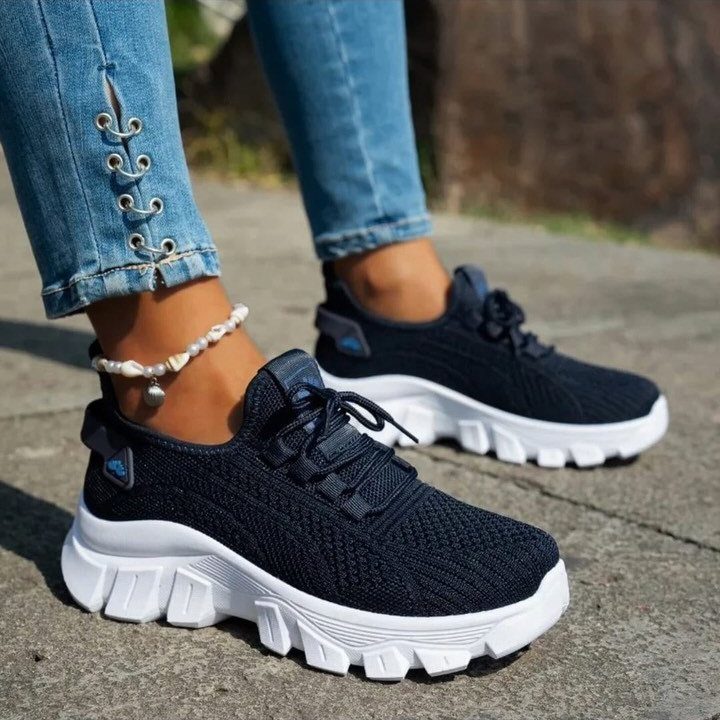
Mesh uppers let heat escape instead of trapping it against your socks, and that matters more than I used to think.
After standing long enough, damp fabric changes how your foot slides inside the shoe, which changes your gait, which shows up as lower back fatigue.
The On Cloud uses an antimicrobial mesh that also resists odor buildup.
I have not worn that pair myself, but the construction follows what I would look for: open weave through the midfoot, denser knit at the toe and eyestay where the shoe takes stress.
If your workplace allows sneakers, this is the detail that keeps one pair from becoming a biohazard by Friday.
4. Best Sandals
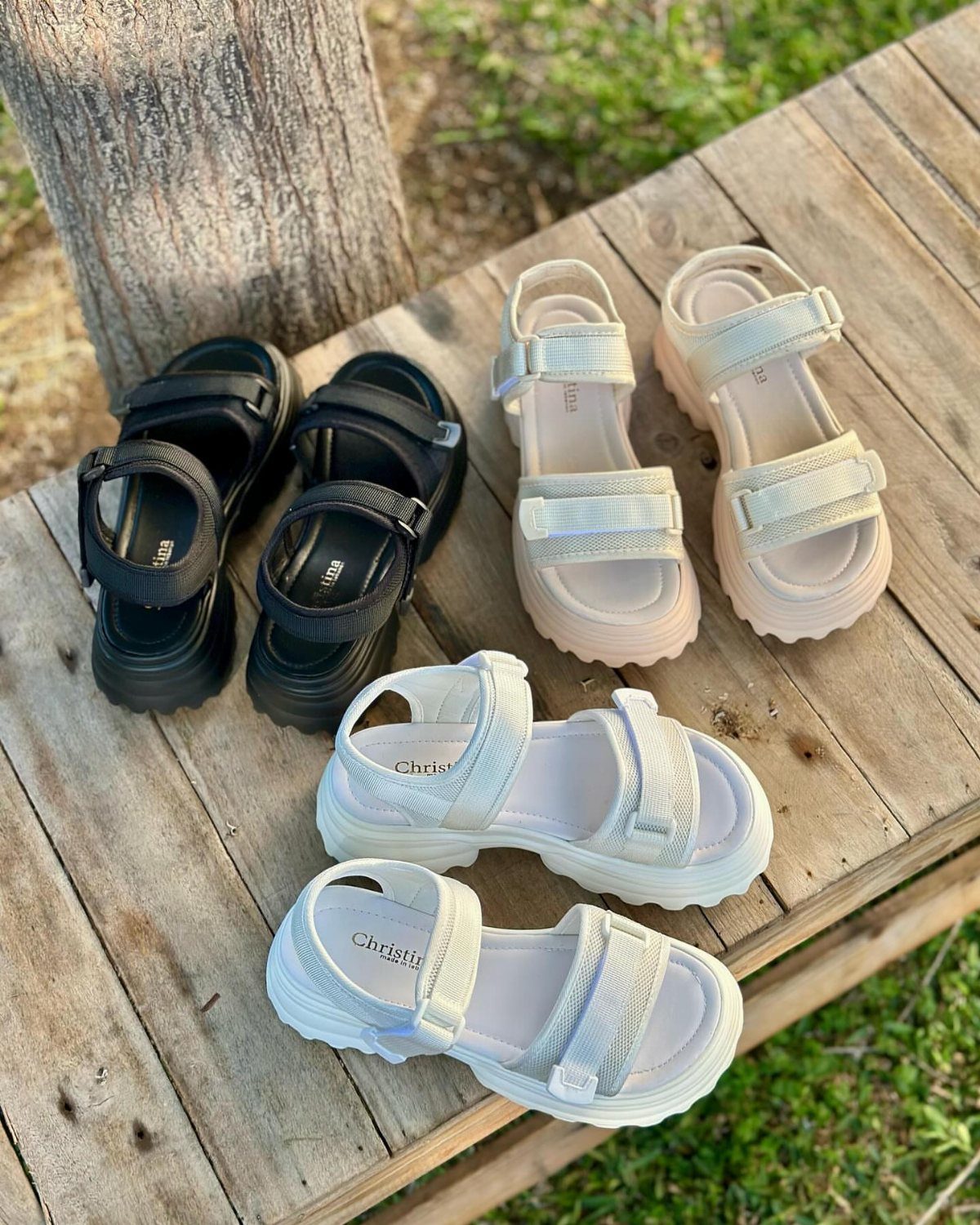
Sandals for all-day standing need structure, not just padding. The Mephisto Dominica builds that in with contoured support under the arch and a heel cup that keeps your foot aligned.
I would not wear flat foam slides for a register shift; the Dominica runs firmer, which is what carries you past hour four.
Oprah’s pick back in 2021, the Roam Puffy Sandal, takes a different approach: thick cushion foam and a vegan leather strap system. It held up past the trend cycle, which is rare for a fashion sandal.
My own line is that the Dominica suits concrete floors and long halls, while the Roam works better for mixed indoor settings where you sit some and stand some.
5. Waterproof Walking Shoes
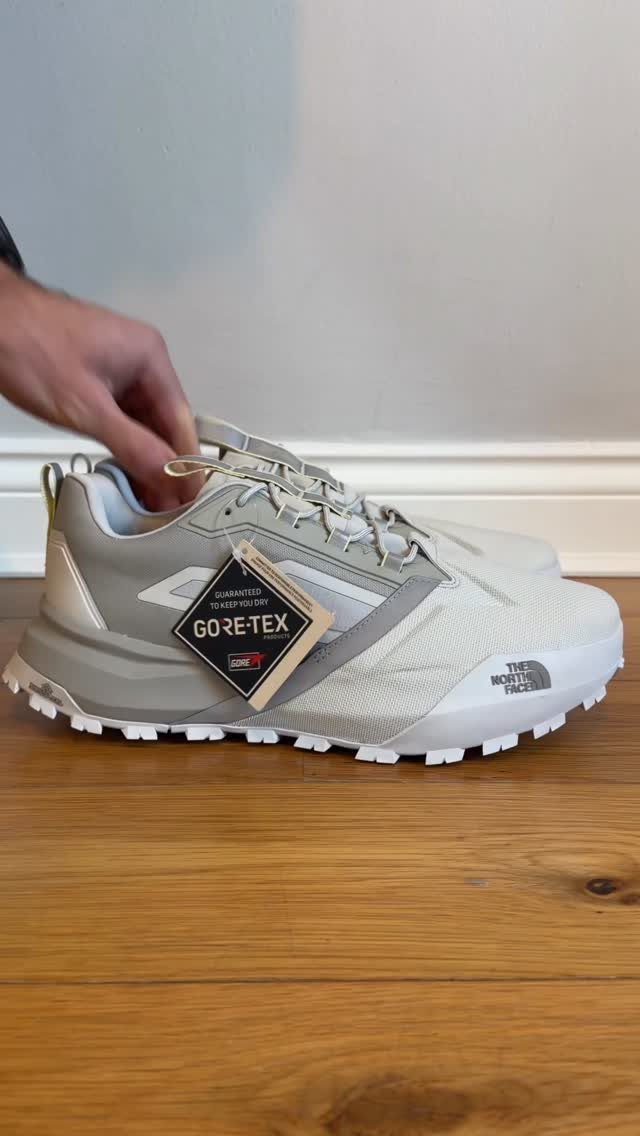
A waterproof membrane adds weight and traps warmth, so I only reach for it when I actually need it.
The Gore-Tex lining in a shoe like this North Face model blocks rain and puddle splash, and the thick sole under it gives the cushioning standing requires.
Before buying, I check whether the membrane extends to the tongue or stops at the collar; a gusseted tongue is what keeps water from pouring in through the laces.
I also wear thicker socks to try them on, since the lining eats space that cotton alone will not fill.
Consult a Podiatrist
If foot pain has lasted more than a couple of weeks, a podiatrist can tell you whether the cause is mechanical, structural, or something that needs treatment beyond better shoes.
I would add that bringing your current work shoes to that appointment helps. A podiatrist can see wear patterns you have stopped noticing, and they can recommend specific features rather than brands.
Foot Pain Causes
Location on the foot tells you what to shop for.
Heel pain usually traces to plantar fasciitis, Achilles tendonitis, or heel spurs. Arch pain usually traces back to plantar fasciitis or flat feet.
Many shoes now build in features aimed at these spots. The APMA Seal of Acceptance is different from marketing language; the seal means an independent review found real support.
Recovery After Work
What you do after taking the shoes off matters as much as what you wore. Recovery belongs in the system, not as an afterthought; I started doing it myself and the sources back this up.
Rolling a tennis ball under the arch for 2–3 minutes releases tension before it tightens overnight.
Elevation helps if swelling shows up. A full set of exercises for sore feet exists elsewhere on this site; the alphabet-with-a-pointed-toe move and picking up a pencil with your toes need no equipment.
Dry your shoes if sweat collected inside. A mesh upper helps with this, but no material eliminates it entirely.
Alternating Shoes
Dr. Barnea, quoted in the same sources, says cushioning without stability increases fatigue and pain. That is why alternating between two different pairs, each with a different balance of those two qualities, can outlast wearing either one alone.
My own practice is one pair with firmer support for the first half of the week, and a second with more cushion for the second half.
The body adapts slightly differently to each, which spreads the load instead of repeating the same pressure points daily.
If your budget allows only one pair, replace it sooner. Midsole foam compresses permanently after roughly 300–500 miles of wear, and standing still compresses it faster than walking does.
The one without the other will likely increase fatigue, pain, and a decrease in duration and functionality." When it comes to exactly what kind of shoes to buy, he adds, "Sneakers would be the preferred shoe to wear all day.
Frequently Asked Questions
What are the best shoes for standing all day?
The Hoka Clifton 9 and Asics EX89 are the two sneakers foot doctors actually approve for all-day standing.
The Hoka Clifton still has that APMA seal podiatrists award after independent review, and the shape of it matters: a wide toe box lets your forefoot spread, and the rocker sole rolls you through each stride instead of letting your heel drop and stay there.
Mephisto’s Dominica is my pick among sandals, with contoured arch support and a heel cup that carries you past hour four.
Why do my feet still hurt after standing all day?
Pain that persists often comes from shoes that offer cushioning without stability, or from midsole foam that has permanently compressed past its useful life.
If pain lasts more than a couple of weeks, a podiatrist can see wear patterns you have stopped noticing and recommend specific features rather than brands.