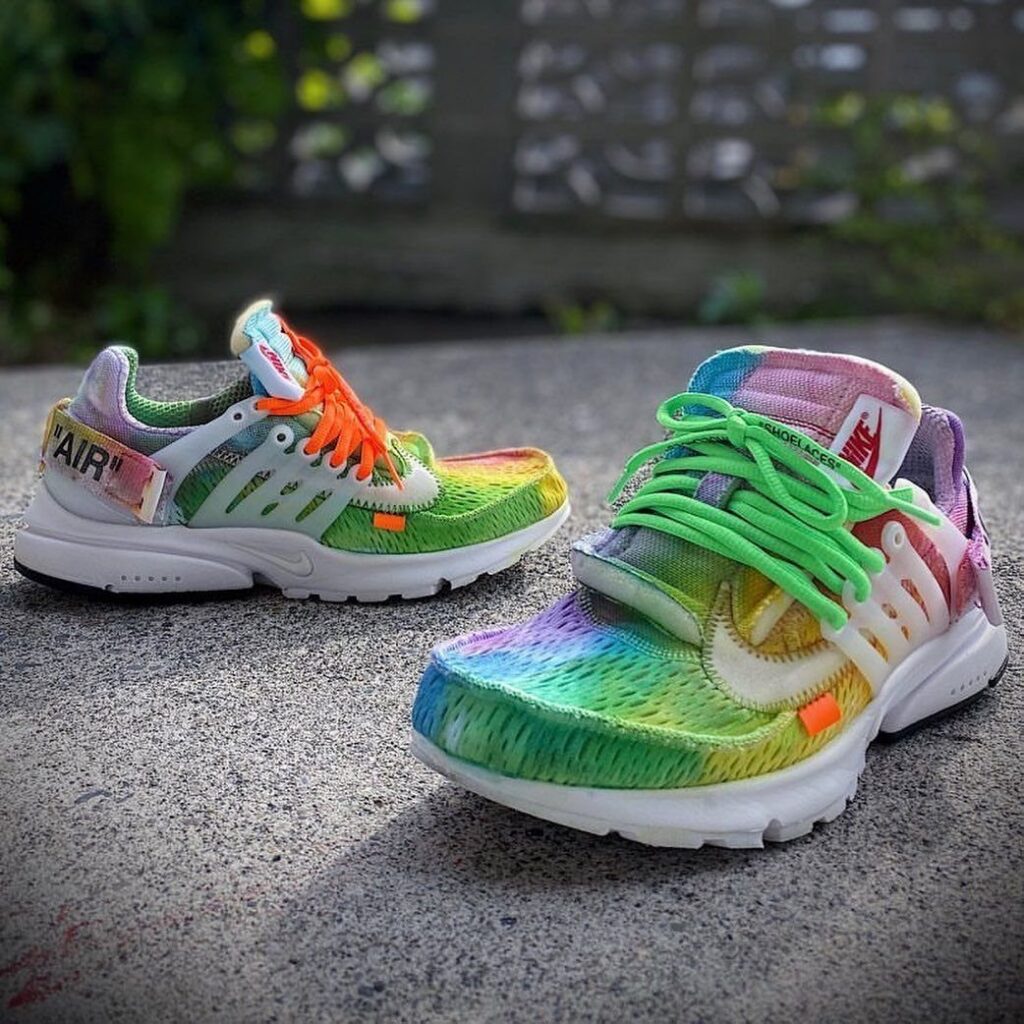
Tie dye athletic shoes run from $60 Skechers slip-ons to full-price Adidas Ultraboost, with a DIY route that costs less per pair than store-bought pastels, and a galaxy pattern tutorial if you want something more involved.
The deciding factor is what you need the shoe to do: run miles, stand through a shift, or just add color with a pastel slip-on you do not have to plan an outfit around.
I would start with the material, since canvas takes home dye evenly while performance knit needs the factory print to stay breathable.
1. DIY Tie Dye Shoes
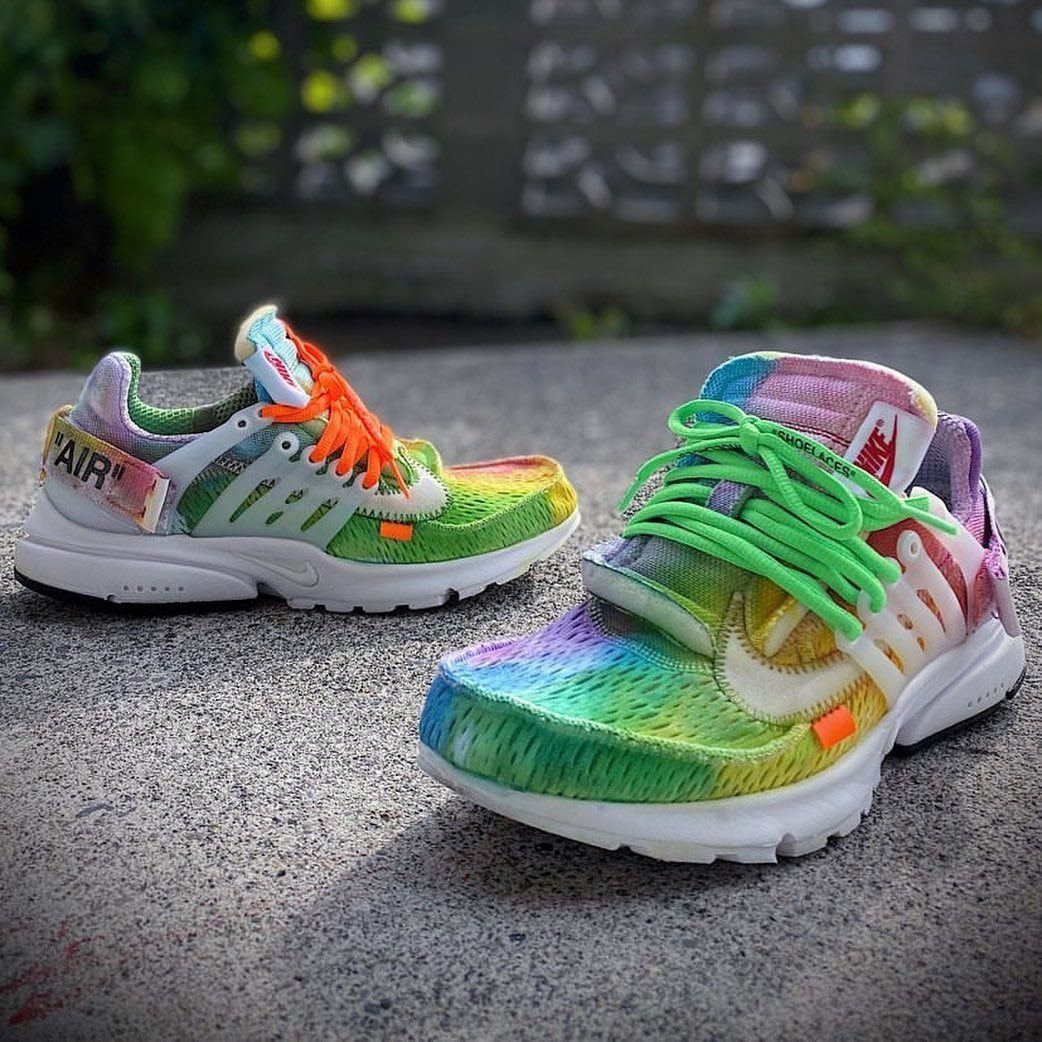
Making your own pair starts with white canvas shoes and a one-step tie-dye kit, the kind where you squeeze color straight from the bottle.
I like the random-splotch approach: work on a covered surface, dampen the shoes first, drop your colors where they fall, then layer black dye over the top so everything blends into something more interesting than basic rainbow.
Bag them up while the dye sets, rinse until the water runs clear, wash separate from your other laundry, then splatter white fabric paint on with a stiff brush for that finished look.
Old shoes work fine; the dye covers a lot.
2. Skechers Tie Dye Athletic Shoes
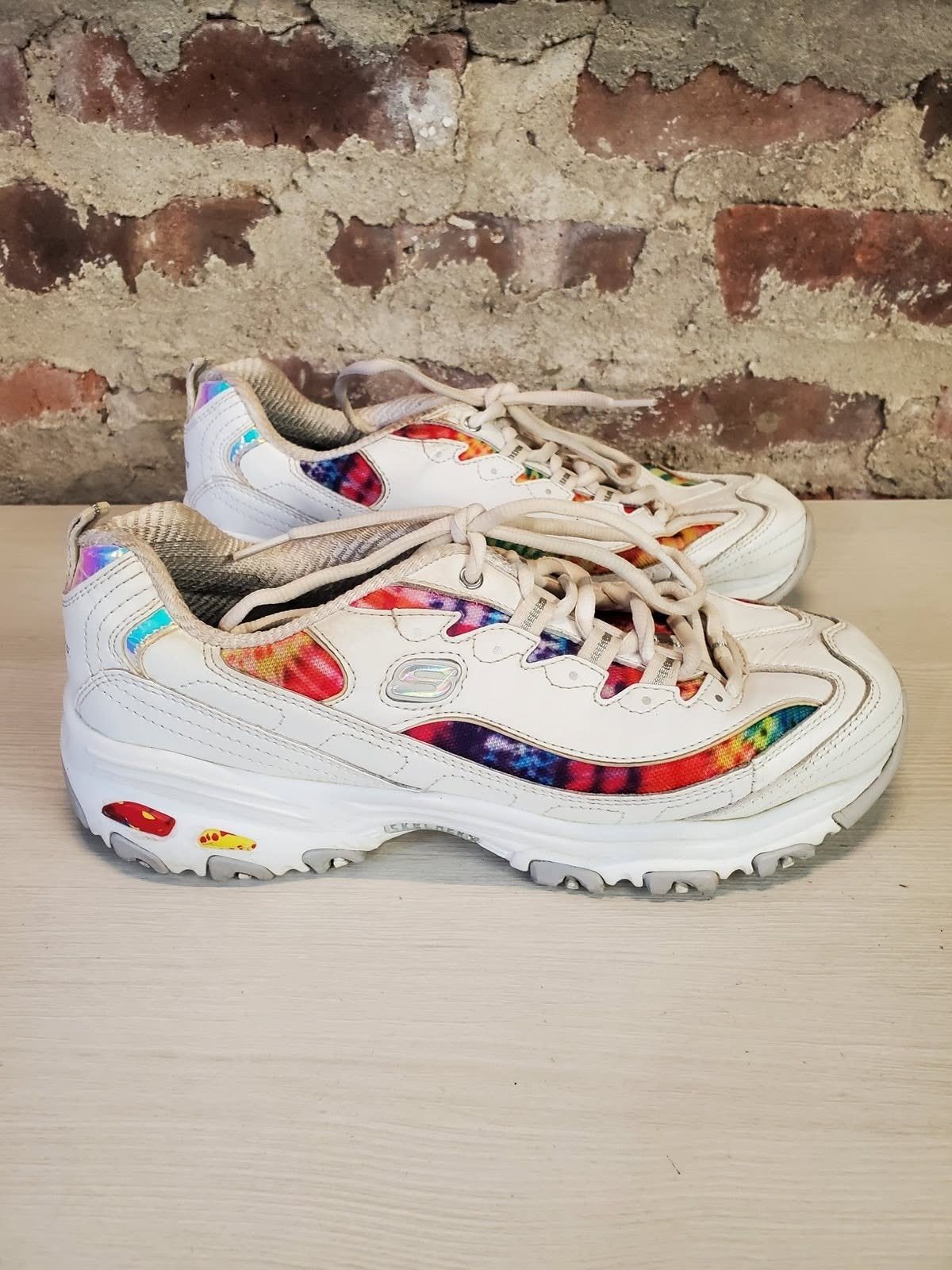
Skechers has leaned into tie-dye hard enough that you can find it across most of their lines now, from the D’Lites Summer Fiesta at $85 to kids’ options like the Slip-ins Contour Foam Cozy Fit at $60.
The mesh panels take the pattern especially well, and the iridescent heel accents on some pairs keep the look from reading too casual for everyday wear.
I would check their site filters rather than browsing general athletic: the tie-dye tag narrows results fast, and sales rotate seasonally. Sizing runs true across the unisex and gendered cuts.
3. Galaxy Pattern Tutorial
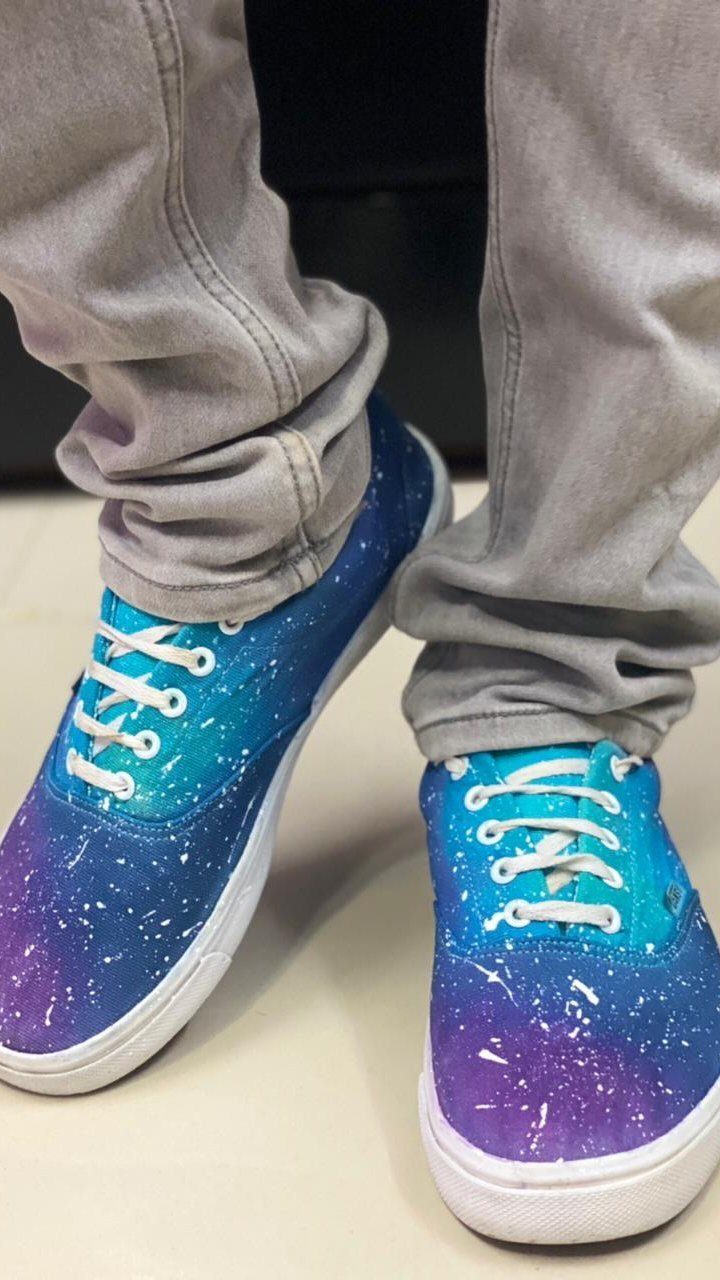
The galaxy effect is less about technique than patience with your color layering.
Tulip’s one-step kit works here too, but blues, purples and teals need to bleed into each other before you add black dye over the top; the dark layer pushes the brights into that nebula depth.
White paint splatter after everything dries gives you the star field. Canvas takes the dye more evenly than knit, so I would stick with that material rather than trying this on performance uppers.
4. Tie Dye Running Shoes
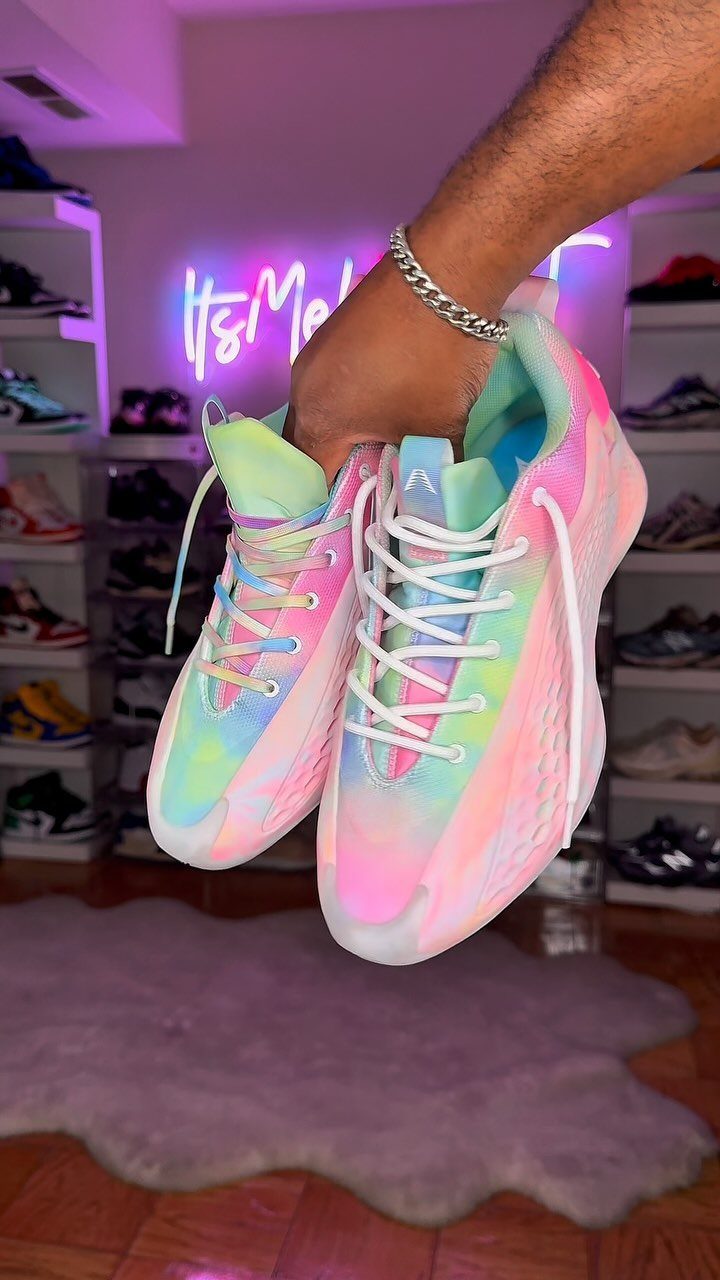
Running shoes in tie-dye used to mean sacrificing support for looks, but knit uppers and printed midsoles have closed that gap.
Skechers puts the pattern on performance models now, and specialty retailers stock dyed pairs from brands that started with solid colorways. For actual mileage, I would verify the same specs as any running buy: arch support, drop height, outsole grip.
The bright palette suits short runs and gym floors more than road racing, where white soles stain fast. Budget hunters can watch end-of-season drops; tie-dye patterns often hit clearance once the trend cycle shifts.
5. Pastel Slip on Tie Dye Sneakers
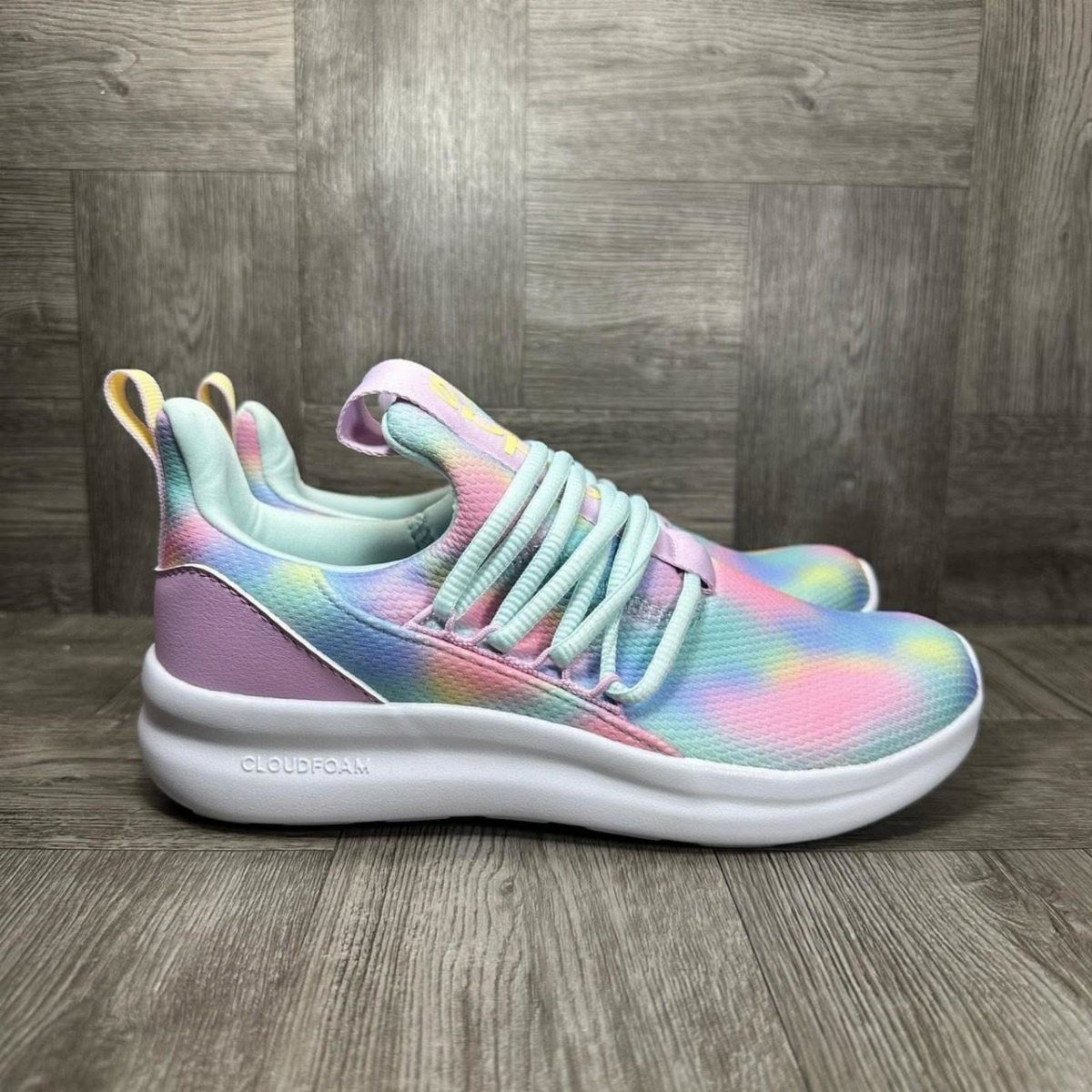
Slip-ons with elastic laces and pastel dye solve the problem of shoes that look too deliberate.
A cloudfoam sole pairs with a washed rainbow that reads almost neutral, which means they work with jeans without becoming the whole outfit. I like elastic laces for travel; no tied knots to fuss with through airport security.
Skechers makes similar versions in their Cozy Fit line, but the slip-on shape itself is what matters here: easy on, easy off, enough structure that your heel does not slide.
Size down half if you are between sizes; the stretch panels give.
6. Adidas Tie Dye Sneakers
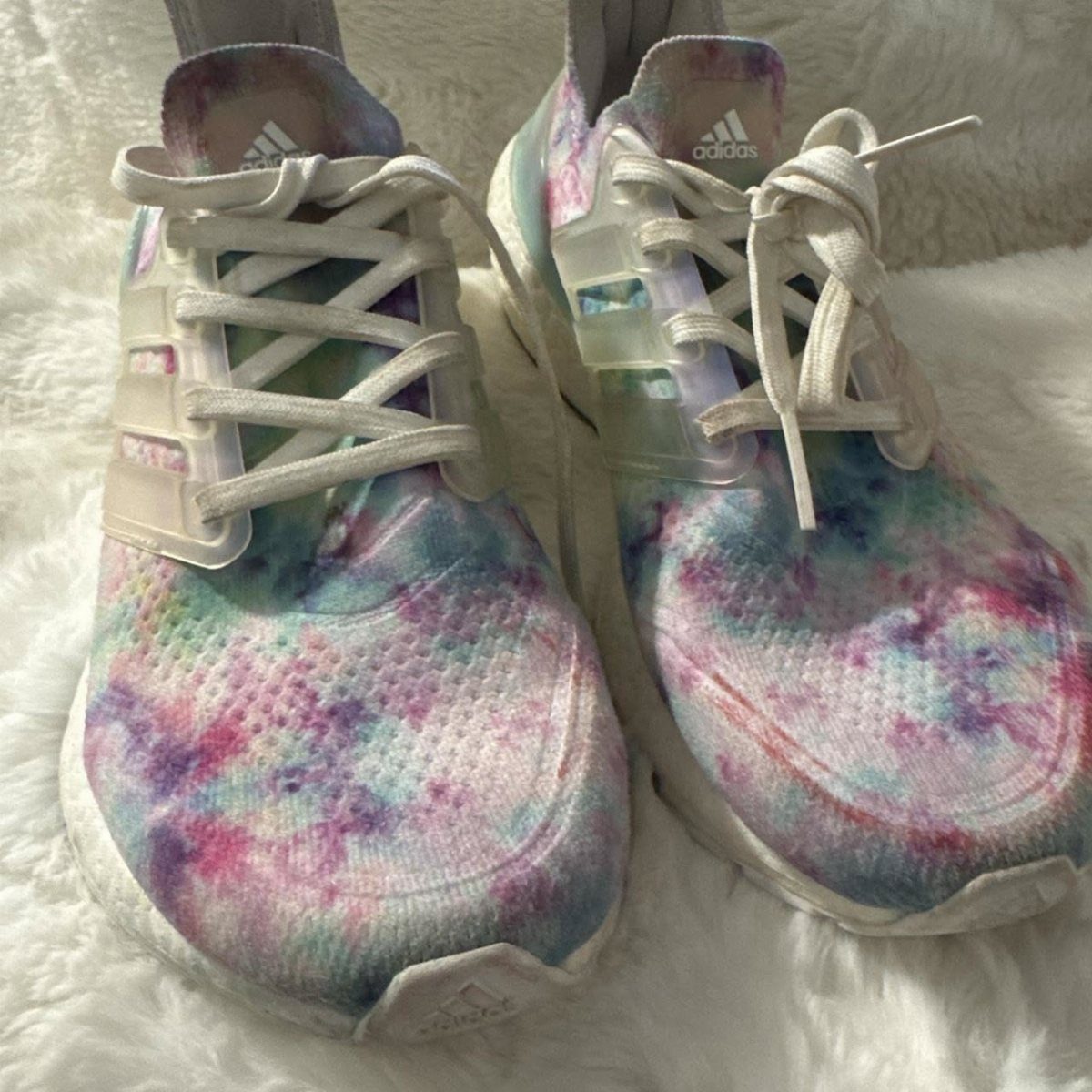
Adidas Ultraboost in tie-dye knit runs expensive at full retail, but the Boost midsole justifies the cost for anyone logging daily miles.
The pastel version keeps the 3 stripes subtle, letting the upper pattern do the work, and the continental rubber outsole holds up better on wet pavement than standard compounds.
I would treat these as running shoes first, statement shoes second: the dye sits on performance material that breathes and flexes, not canvas that stiffens.
White laces are replaceable when they gray; the knit upper is harder to clean, so I spray mine with protector before the first wear.
Care for Tie Dye Shoes
Wash tie dye shoes alone, every time, even after the first rinse.
Color bleeding does not stop after the initial dye bath; leftover pigment can still migrate in warm water and ruin whatever shares the load. Cold water and a gentle cycle help, but separation is what actually protects the design.
Canvas holds dye better than knit or performance uppers, which is why most home projects start there. Leather will not take fabric dye at all, and suede or sheepskin needs its own process entirely.
If your shoes have a printed logo or pattern, expect the dye to mix with those existing colors rather than cover them; a pink floral on white canvas will shift toward purple under blue dye, not disappear.
Choosing Colors
Color choice is where most home projects go wrong.
Two or three colors that already sit near each other on the wheel, blues into purples or pinks into corals, will bleed into something coherent. Throw orange straight across from blue without planning the overlap and you get mud.
The galaxy effect works because navy, violet and teal are close neighbors; the black layer pushed over top unifies them into depth rather than chaos. One-step kits keep this simple by limiting your palette to the bottles inside.
If you are buying extra black separately, check whether your base kit already includes it; some do, some do not, and doubled black goes too dark too fast.
Using Old Shoes
Old canvas shoes are the better starting point than new ones, for reasons beyond cost.
Scuffs and stains that will not wash out disappear under dye that covers evenly across the whole surface, and the broken-in fit means you are not guessing whether a stiff new pair will stretch wrong.
One three-color kit dyes three pairs of shoes with dye to spare, so the supply cost stays low even for a group project.
White or off-white canvas gives the truest color; anything darker limits you to overdyeing in a deeper shade.
Strong original colors bleed through the dye and turn muddy, which is how a pair of red canvas sneakers became a blotched brown I only wear for yard work now.
Frequently Asked Questions
Can you tie dye shoes?
Yes, canvas shoes take fabric dye especially well.
White or off-white canvas takes the dye most honestly, and the color masks scuffs and stains that laundering will not lift. Fabric dye beads on leather and runs off, and suede or sheepskin demands a completely different setup.
What colors work best for tie dye shoes?
Two or three colors that sit near each other on the wheel, like blues into purples or pinks into corals, bleed into something coherent.
Opposite colors thrown together without a plan for where they overlap turn to mud every time. Navy, violet and teal sit close enough to blend, and the black ties them into the galaxy look.
How do you care for tie dye shoes after dyeing?
Even after the first rinse, wash them alone; leftover pigment does not quit. Warm water wakes up any remaining dye, and it will migrate to whatever else is in the drum.