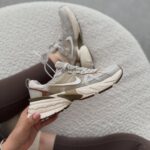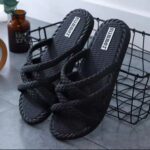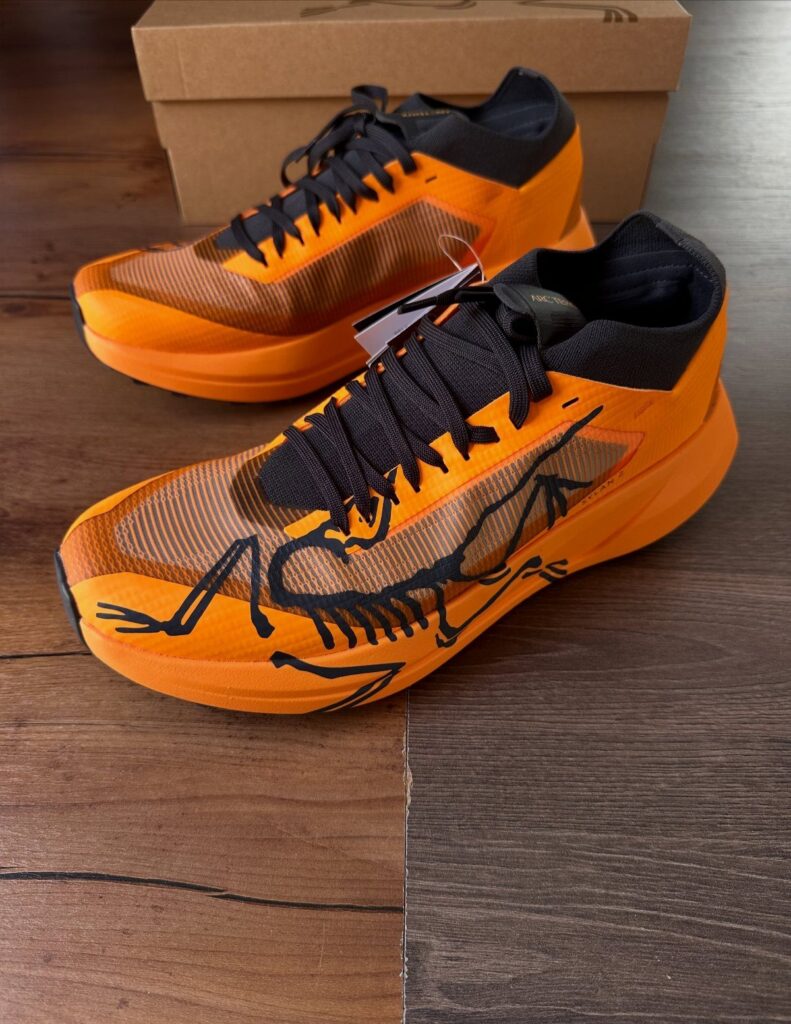
These 7 picks for shin splints start with curved soles and daily trainers like the Brooks Ghost 17 and Hoka Gaviota 6, move through the New Balance Fresh Foam 1080 and Brooks Glycerin 23, and end with what actually fixes the problem: replacing shoes on schedule, adding cushion gradually, and building mileage slowly.
The one that belongs to you depends on whether you need a curved sole to redirect pressure, a high heel stack to soften impact, or just a reminder that shoes alone will not fix what training errors caused.
The Brooks Ghost 17 sits at 9.6 oz as a neutral trainer with a 12mm drop and DNA Loft v3 cushioning, a spec that matters because excess drop can shift stress up the chain for some runners.
1. Curved Sole Athletic Shoes
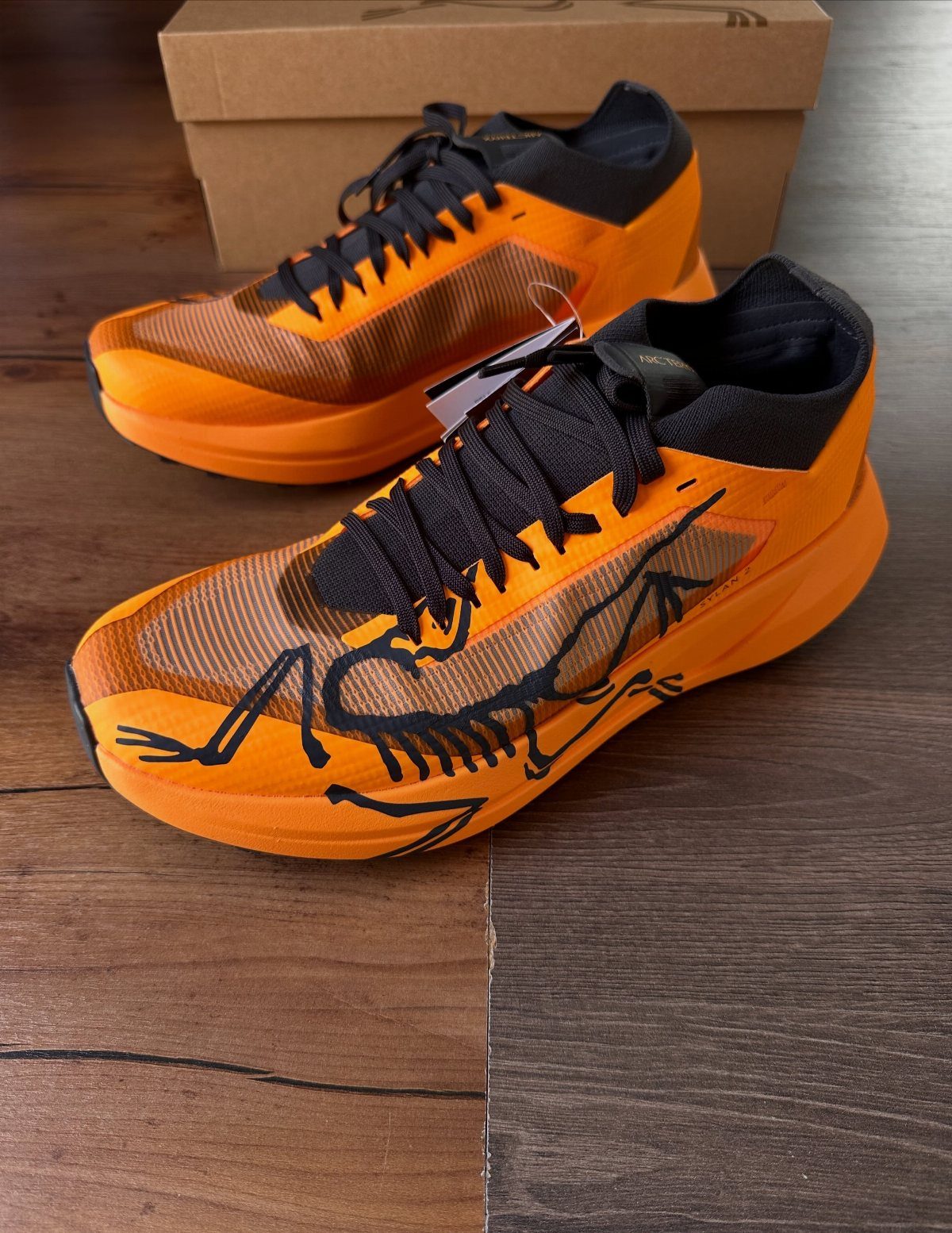
Arc’teryx builds a rocker geometry into the Sylan’s outsole itself so the foot rolls through heel strike instead of braking against it.
That rolling motion cuts the sharp deceleration that loads the tibia at contact, which is where shin splints often start. The black skeletal graphics on the upper are welded synthetic overlays, keeping structure without stitched seams that add weight.
Before trying this category, check how far forward the curve begins. A rocker that starts too far back will feel unstable at easy paces; one that begins near the forefoot preserves more natural push-off.
The Sylan runs the curve from midfoot forward, a placement I would look for in any curved sole meant for daily training rather than race efficiency.
This style suits runners whose shin splints flare on downhills or long flat stretches where heel striking increases.
2. Brooks Ghost 17 Athletic Shoes
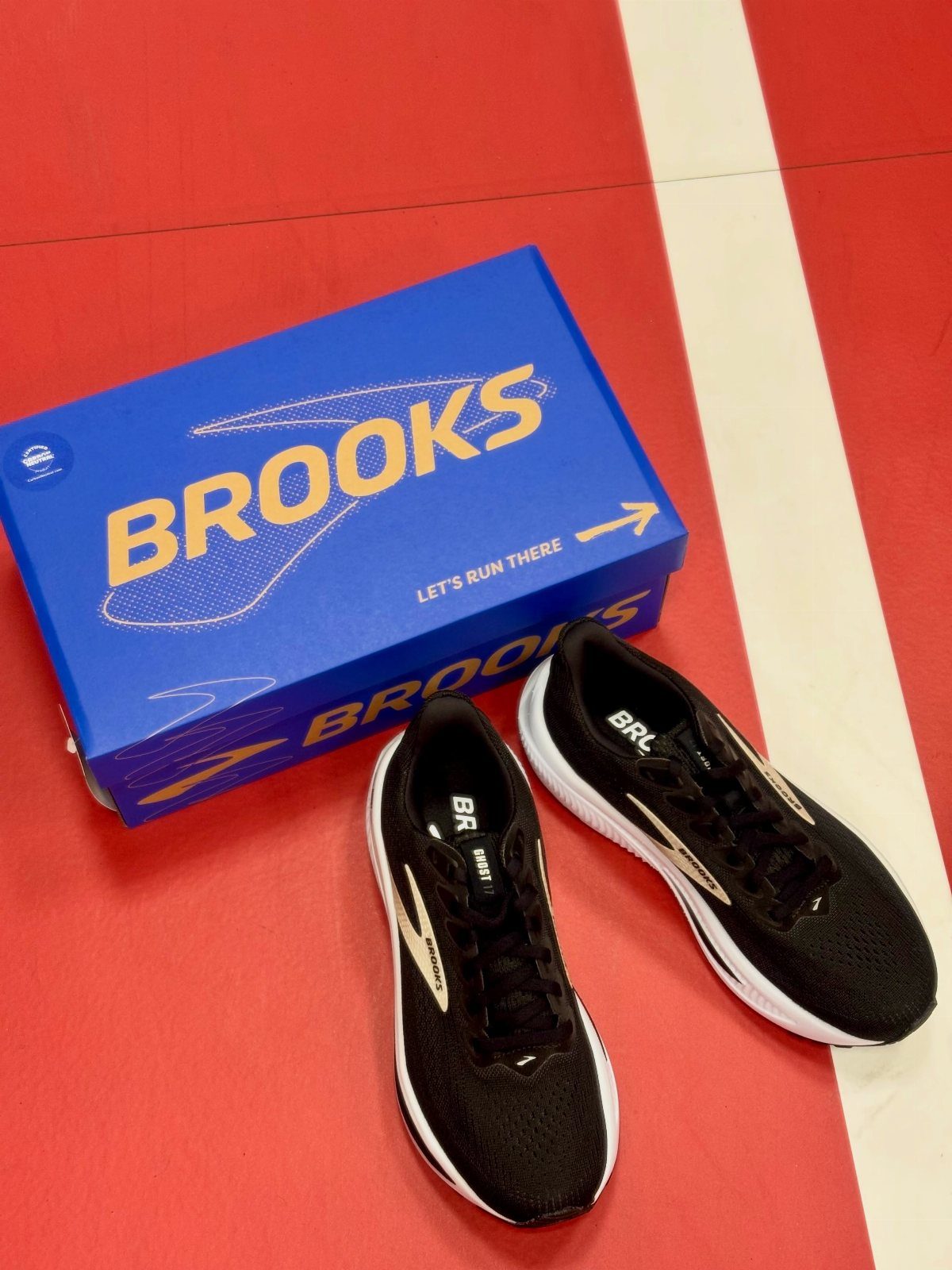
I would put this at the top of the list for anyone coming out of motion-control shoes who needs passive stability without a rigid post.
The DNA Loft v3 midsole runs the full length with softer foam underfoot and firmer foam against the road, a balance that lets the shoe absorb impact without dictating your stride.
That matters for shin splints because forced correction can shift stress up the chain. Specs run 36mm heel, 28mm forefoot, 12mm drop, 9.6 oz in men’s US 9.
At 9.6 oz it is not the lightest daily trainer, but for easy miles and budget-conscious runners who want one shoe that handles most of their week, the weight is a fair trade.
This is not your race day shoe; it is the one you reach for when your shins are talking and you still need to get the run done.
3. Hoka Gaviota 6 Athletic Shoes
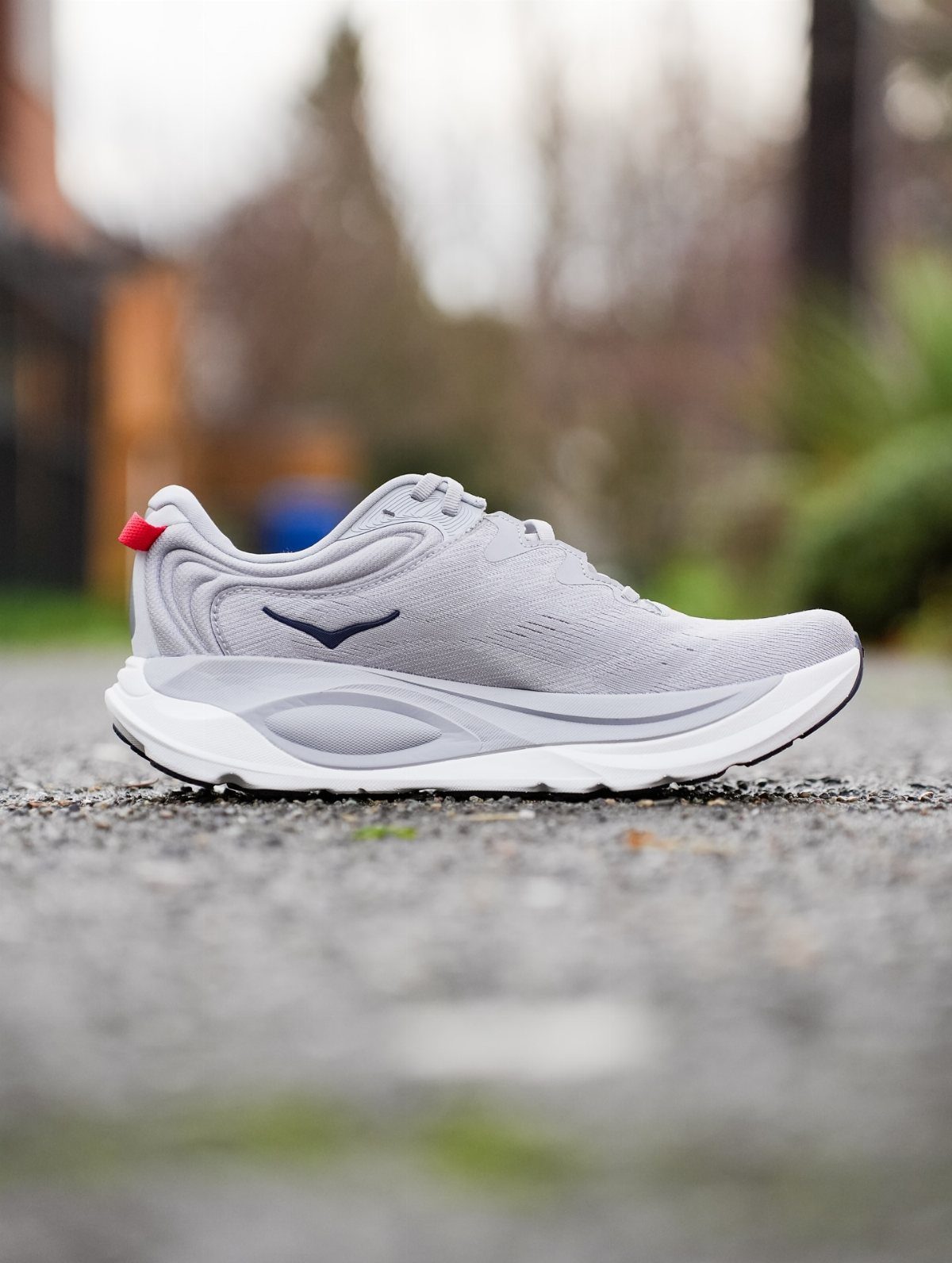
Hoka’s max-cushion formula is no secret at this point, and the Gaviota applies it with the brand’s early-stage Meta-Rocker geometry, which rolls the foot forward rather than letting the runner push through each toe-off with calf and shin engagement.
That mechanical assist is what separates Hoka from simply thick foam.
The full-compression EVA midsole and engineered mesh upper keep the shoe light for its stack height, and the heel counter locks down without squeezing.
I would point anyone prone to shin splints toward this category first, before looking at firmer or lower-profile options.
What the Clifton line proved, and the Gaviota inherits, is that cushioning at every phase of gait reduces the impulse load that irritates tibial stress.
4. New Balance Fresh Foam 1080 Athletic Shoes
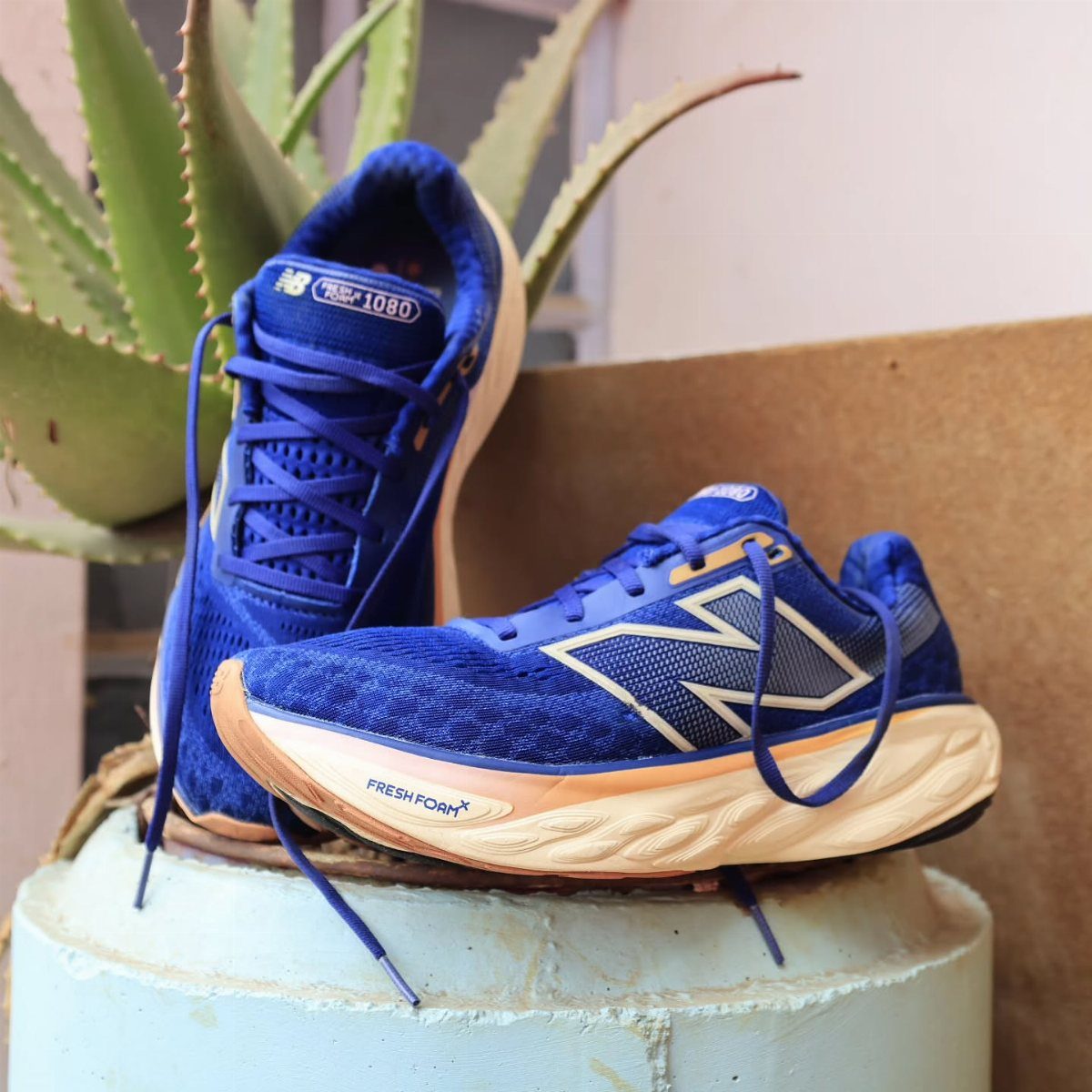
New Balance made its name on width options, and the Fresh Foam 1080 carries four of them: narrow, standard, wide, and extra-wide in the men’s build.
For runners whose shin splints track with foot mechanics rather than pure impact, a cramped toe box is often the hidden culprit.
The Fresh Foam X is NB’s densest cushioned foam, and the broader base keeps the platform more stable than the softness suggests.
I would steer this toward runners who tried higher-stack shoes and found them wobbly, or anyone whose shin pain shows up alongside arch fatigue.
The 8mm drop sits in the range I look for with shin-splint-prone athletes.
Too low and the calf loads more; too high and the heel strike sharpens. At $170 and with release timed for January 15, 2026, this lands as a premium daily trainer that earns its price through fit precision rather than gimmick.
5. High Heel Stack Athletic Shoes
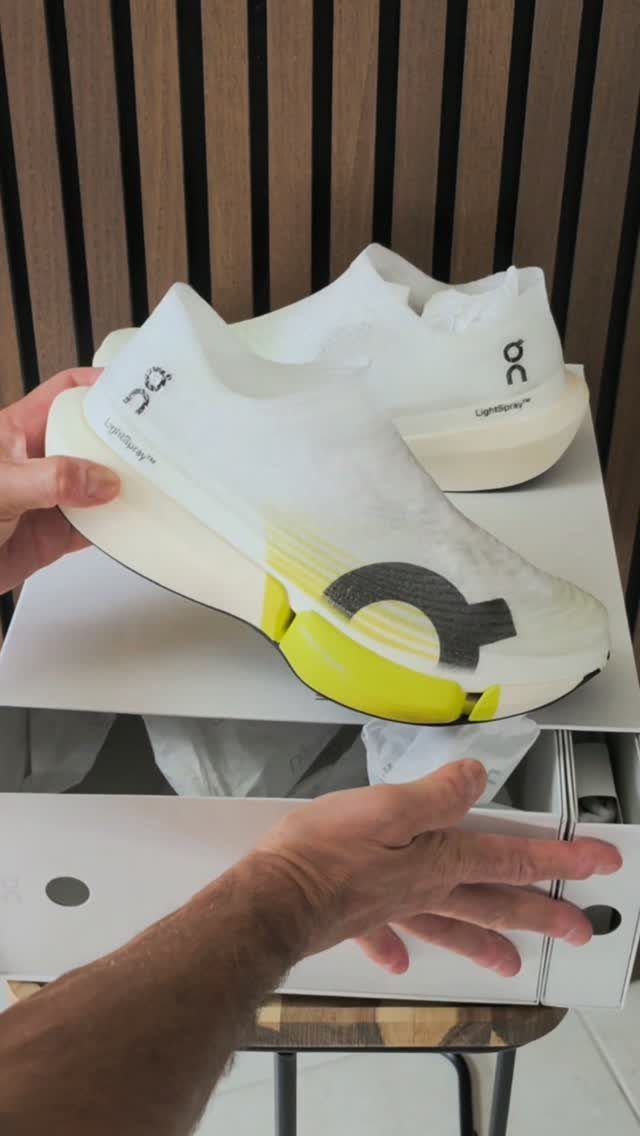
A heel stack below 35mm leaves too much impact for the lower leg to absorb, which is why I treat that number as a floor, not a ceiling, when shin splints are the concern.
The logic is straightforward. More foam between foot and ground means less stress transmitted to the tibia and surrounding muscle.
What foam density you choose within that height is personal; some runners do better with firmer platforms that do not bottom out, others need the sink-in softness of a plush midsole.
Your own history with shin splints is the guide here.
The shoe’s upper uses synthetic materials that are welded rather than stitched, a construction that keeps weight down as the heel stack goes up.
Check that the forefoot still bends where your foot does; a high heel with a rigid toe can alter gait in ways that offset the cushioning benefit.
6. Brooks Glycerin 23 Athletic Shoes
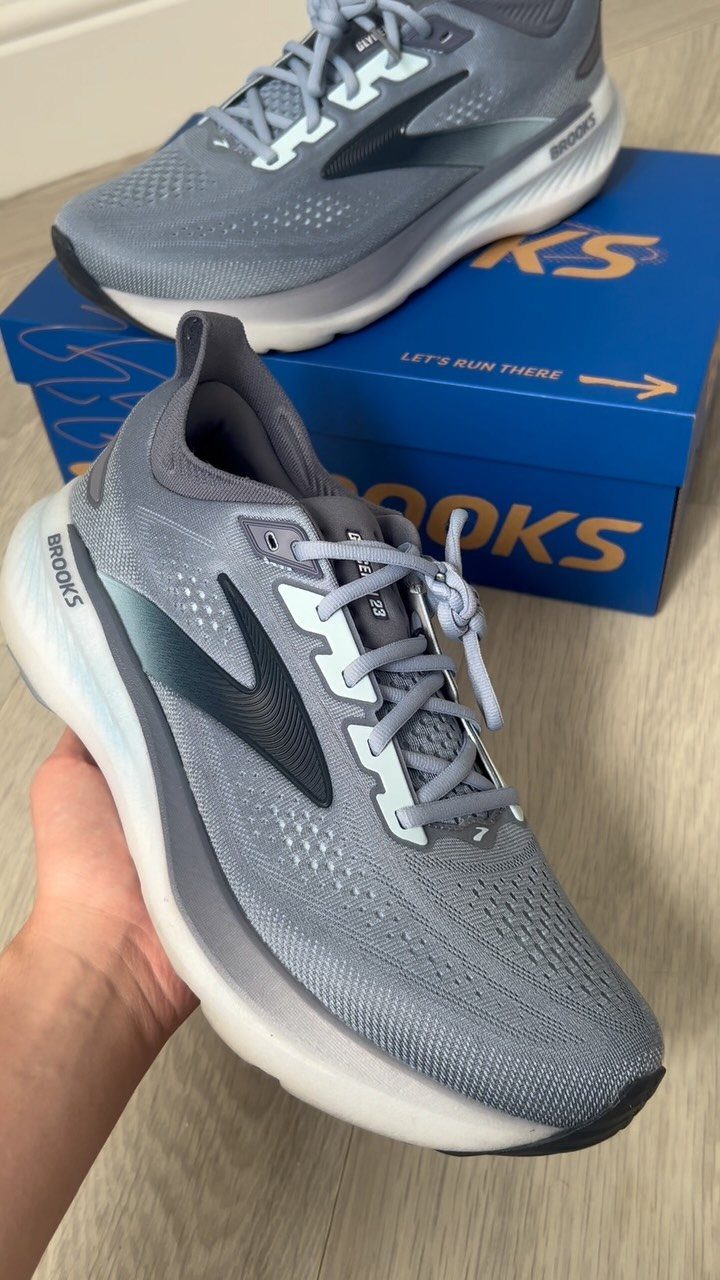
The Brooks Glycerin 23 features a midsole with graduated density, a genuine refinement over the uniform midsoles found in many competing shoes.
The drop came down to 8mm from 10mm in this version, with a tall heel and substantial forefoot in men’s sizing.
I would call this the shoe for neutral runners whose shin splints come from impact rather than pronation; if your gait analysis shows no overpronation but you still hammer your shins, the Glycerin is the move over the Ghost.
For shin splints specifically, that version is worth the small weight penalty if you have any doubt about your mechanics.
7. Thick-soled Cushioned Running Shoe
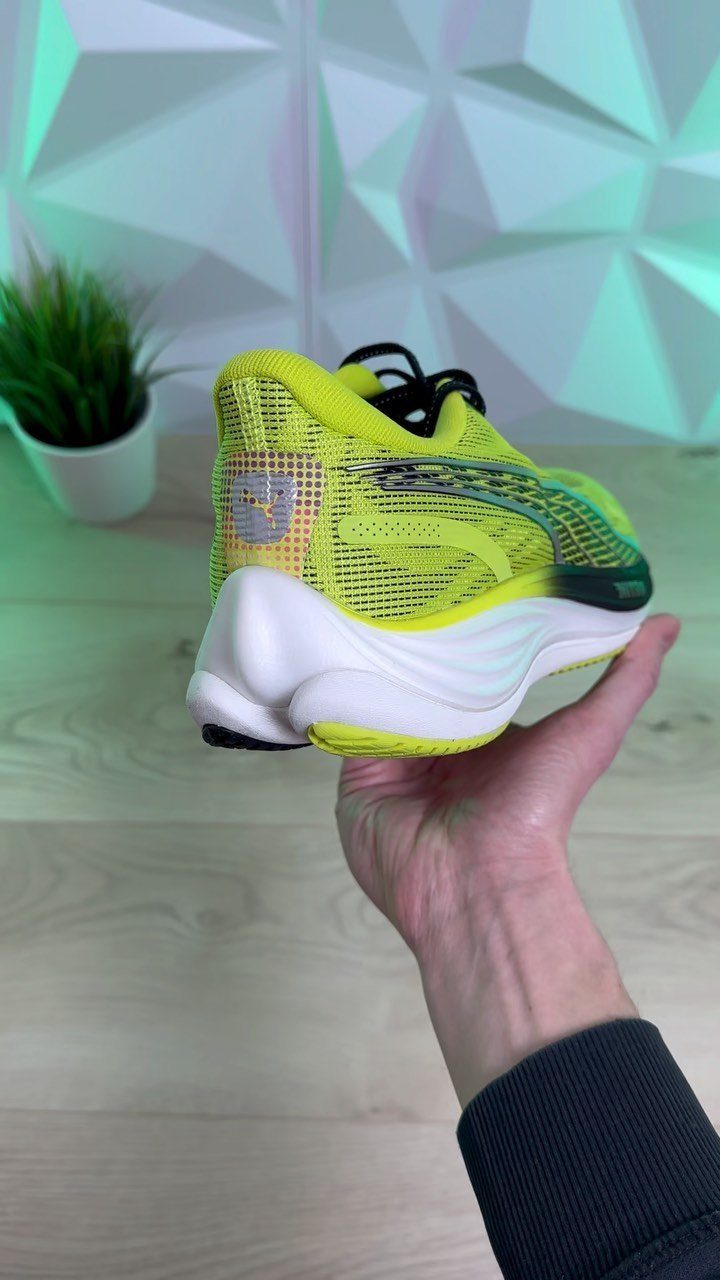
The other traits that matter are torsional rigidity, a heel platform wider than 90mm, and no carbon plate pushing you toward faster turnover.
I would not reach for this on race day; the stack that saves your shins costs you ground feel and turnover speed.
Women shopping this category should check that the heel cup narrows enough for their foot; a wider forefoot with a slipping heel will cost you the planted landing you bought the shoe for.
Welded mesh uppers, like that lime green one, keep the weight in check even when the foam underneath grows thick.
Shoes Do Not Fix Shin Splints
I would start by cutting mileage 30–50% until symptoms calm, then add calf raises and tibialis anterior work before building back.
A gait analysis at a podiatry clinic will show whether your mechanics need correction; I would call one if pain lingers after rest and shoe changes, if pressing the tibia itself hurts, or if the ache wakes you at night.
The right shoe accelerates recovery by lowering tibial load, yet the load itself comes from training decisions.
Importance of Cushioning
Cushioning absorbs impact, but I would pair it with compression socks to address recovery from another angle.
The graduated pressure increases blood flow and oxygen delivery to lower-leg muscle, which helps clear inflammation around the tibia. Some studies also link tibial compression to better bone adaptation in the surrounding soft tissue.
This is not a replacement for the mechanical cushioning in a high-stack shoe; it is a parallel tactic for days when you are already sore and still need to train through.
Regular Shoe Replacement
Midsole foam compresses and loses rebound long before the upper shows wear, and running on dead cushioning is one of the faster ways to bring shin splints back.
Most shoes lose up to 40% of shock absorption somewhere in the 250–500 mile range, with the exact point varying by body weight, running form, and surface.
Flip your current pair and read the outsole: uneven wear or a smoothed tread pattern means the midsole is spent regardless of mileage count.
When in doubt, replace. Premium price tags mean nothing once the foam beneath your foot has gone flat.
The bottom line is most shoes lose up to 40% of their shock-absorbing capabilities and overall support at around that range.
— Nike
Gradual Mileage Increase
The 10% rule, adding no more than 10% weekly distance or speed, exists because cardiovascular fitness adapts faster than bone and connective tissue.
Your heart and lungs may feel ready for more while your tibia is still catching up. If you are new to running or returning after layoff, a structured plan that eases you in will outperform any shoe choice you make.
A short warm-up loosens muscle and tendon before the run starts, and the miles you add are miles your legs actually have to absorb.
Frequently Asked Questions
What are the best shoes to wear if you have shin splints?
Look for shoes with a heel stack of 35mm or more, a heel drop that matches what your calves and Achilles can handle, and either stability features or max cushioning depending on your gait.
A high stack absorbs impact before it reaches the tibia, while the drop range balances calf demand against heel strike sharpness.
Runners who overpronate need passive stability like Brooks GuideRails; neutral runners often do better with thick, uniform cushioning like Hoka’s Meta-Rocker geometry.
Can you ever fully get rid of shin splints?
Yes, but shoes alone will not do it. Backing off to roughly half your usual miles usually settles things down; once walking feels fine again, calf raises and toe taps against a wall start rebuilding the muscles that absorb shock.
If pain lingers after rest and shoe changes, or if pressing the tibia itself hurts, a gait analysis at a podiatry clinic will show whether your mechanics need correction.
Are my shoes causing shin splints?
They can contribute, but rarely act alone.
Foam that has gone flat, a shoe too stripped-down for your weekly volume, or racing flats worn to the grocery store all send more impact up the tibia; that stress usually meets a sudden jump in miles or a stretch of concrete to set symptoms off.
Check your outsole for uneven wear or smoothed tread, which signals the midsole is spent even when the upper looks fine.