Domestic athletic shoes range from a grounded minimalist sandal to a fully cushioned daily trainer, with most falling in a mid-range bracket that reflects the cost of American labor and materials.
The right choice depends on whether you want a running shoe built on American lines, a sandal with grounding properties, or the manufacturing story behind what you wear.
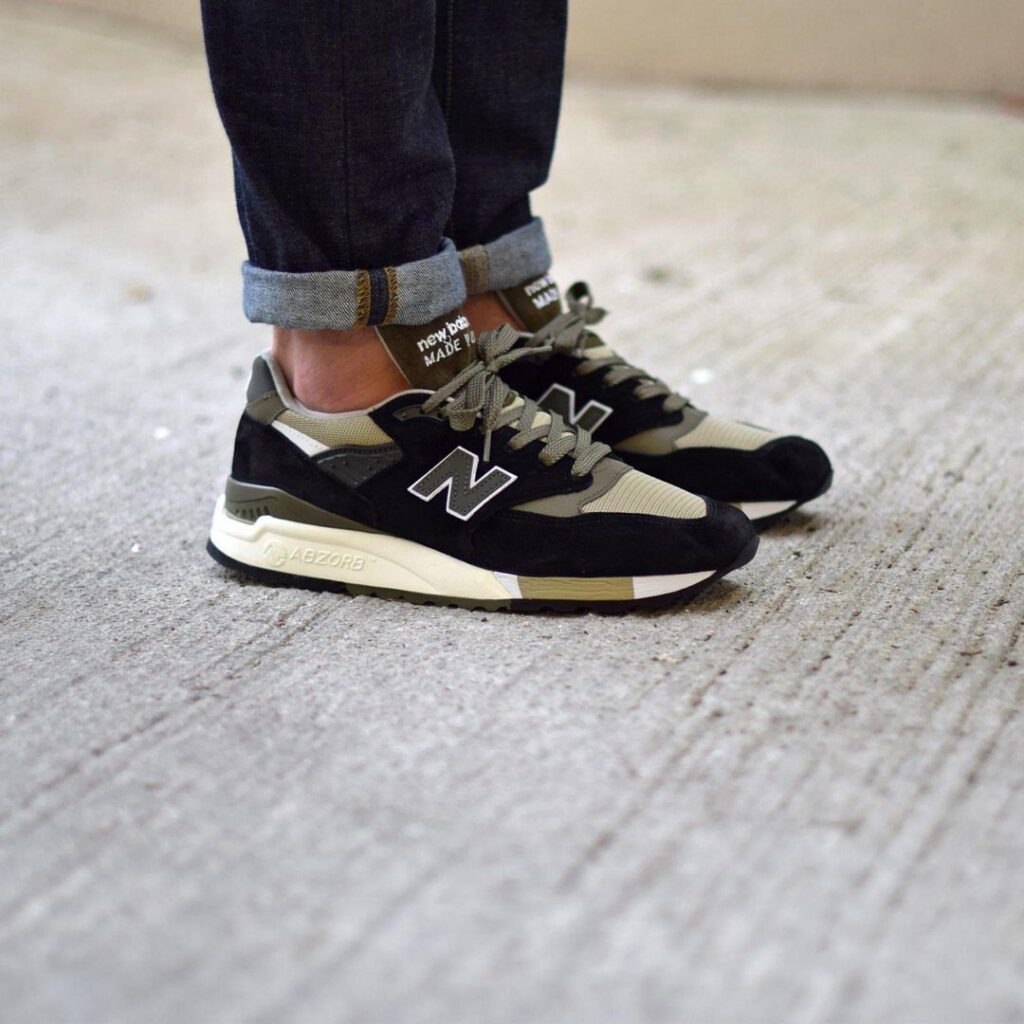
New Balance’s 990 series, rebuilt in Massachusetts or Maine, is the most widely available US-built option I have tracked with decades of feedback on midsole durability.
1. New Balance Running Shoes Made in USA
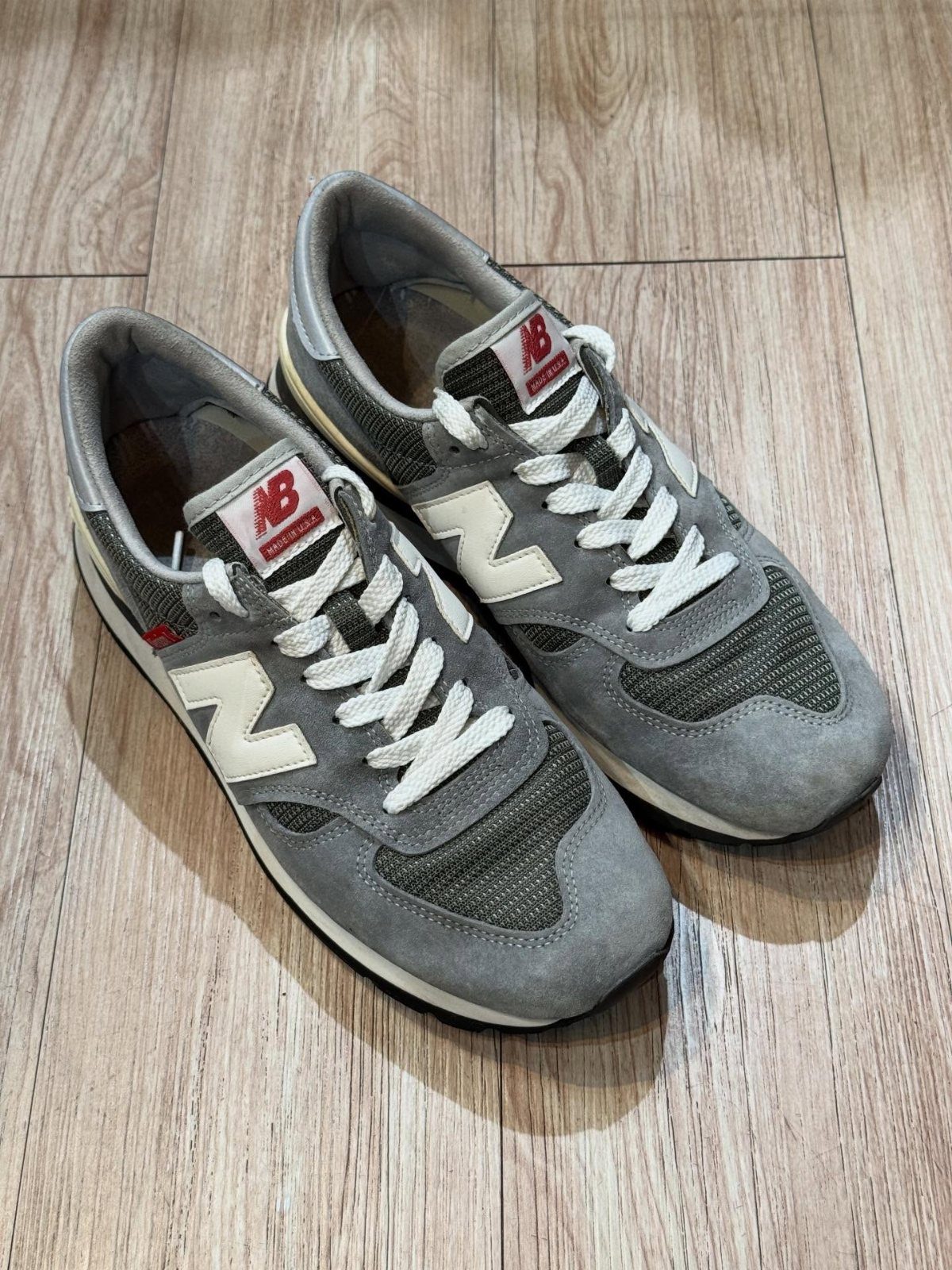
New Balance still manufactures select running shoes at its facilities in Massachusetts and Maine, with domestic production dating back to the company’s founding in 1906.
For a daily runner who wants domestic construction without sacrificing cushioning technology, these are the most widely available option I have found.
The best-known entry point is built in the US, though stock rotates seasonally and not every colorway in a given model is US-built; check the tongue label or product specs before buying.
2. Craft Sports Running Shoes
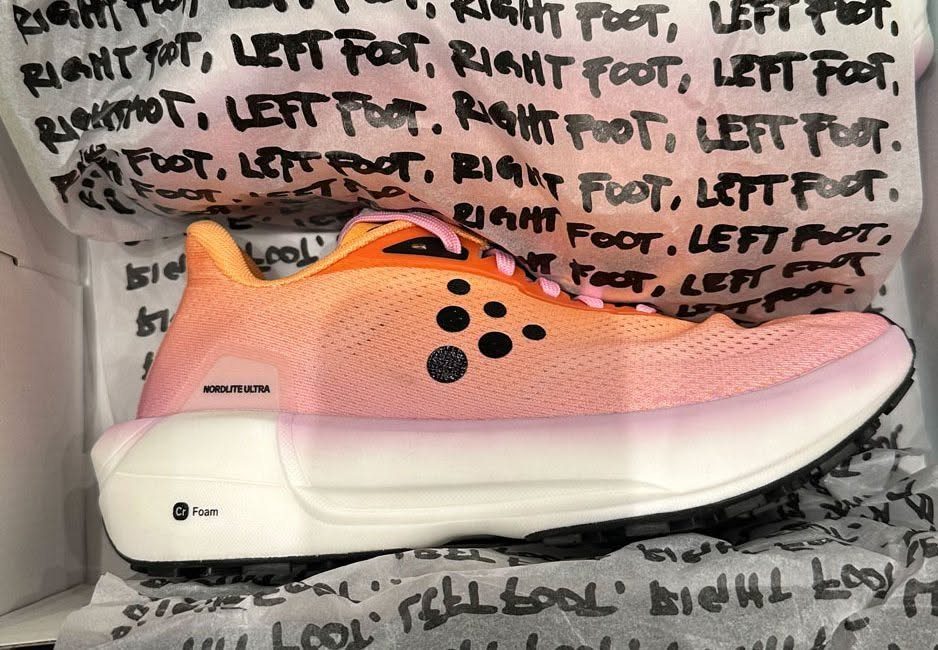
Craft Sportswear, a Swedish company, now sells running shoes directly to US customers through craftsports.us alongside its better-known apparel, though I have not been able to confirm where the shoes themselves are manufactured.
I would note that Craft’s US availability is narrower than New Balance’s, and sizing can run European; order from a retailer with free returns if you are between sizes.
The brand partners with Falke on a matched sock-and-shoe system for runners who want integrated cushioning, though that requires buying both pieces.
3. Earth Runners Sandals
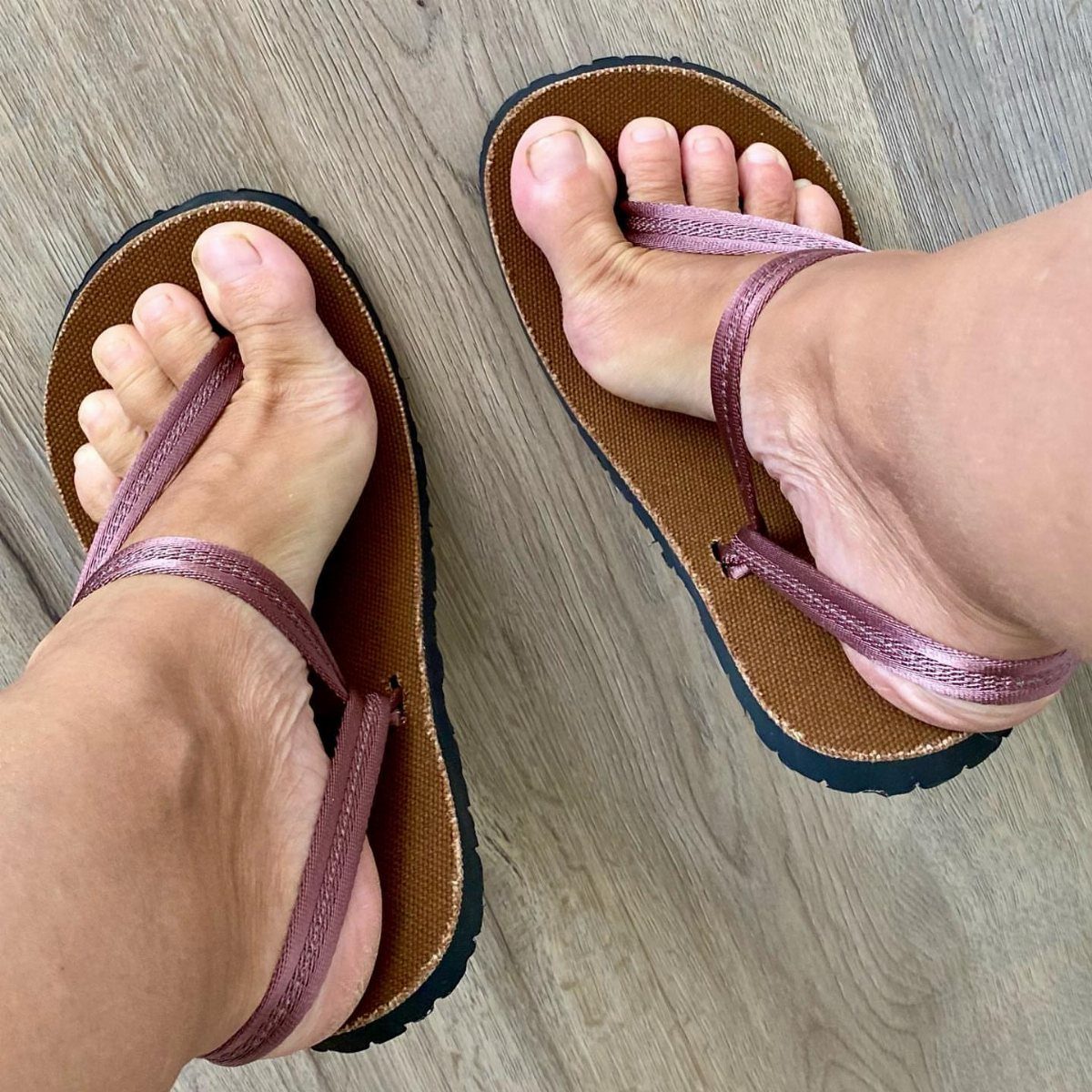
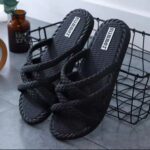
Earth Runners makes minimalist sandals with conductive lacing that the company designs for both trail use and grounding, with thin soles that keep the foot close to terrain.
Earth Runners Sandals suit a runner or walker who already trains in low-drop shoes and wants the same foot-strengthening mechanics in warm weather.
Check whether your foot needs the thinner Circadian sole or the thicker Alpha; Earth Runners prints a sizing template to trace before ordering, which I would use since returns on worn sandals are limited.
Quality and Comfort
Quality and comfort in US-made athletic shoes tend to come from heavier materials than overseas equivalents.
New Balance’s domestic running shoes use leather and suede overlays that add ounces but hold shape through years of wear, a tradeoff I would weigh against the featherweight mesh uppers common in imported trainers.
The cushioning stacks are also tuned differently: domestic builds often run firmer underfoot, which suits a heavier runner or someone who logs most miles on pavement rather than treadmill belts.
If you are transitioning from conventional shoes, plan on a slower break-in than the brand’s marketing suggests.
Sustainability Efforts
Sustainability in American athletic footwear is harder to verify than in apparel. Craft Sportswear’s European base means any environmental claims fall under EU labeling rules, which are stricter than US FTC guidelines for "recycled" or "eco-friendly" language.
If sustainability is your primary filter, I would look past the country of origin and check whether a brand publishes actual percentages: post-consumer content, renewable energy use in factory operations, or end-of-life takeback programs.
Most US athletic shoe makers still treat this as marketing language rather than audited reporting.
Local Manufacturing
Local manufacturing in footwear has contracted sharply. AllAmerican.org tracked over 81 shoe brands still producing domestically across all categories, but athletic-specific options are a shrinking subset.
The economic argument for domestic production runs into consumer behavior: workers in Maine assembly plants earn US wages, which puts finished shoes at a higher price point for entry-level running models than comparable imported builds.
I would not expect that gap to close.
If supporting local economies is a priority, verify the specific shoe rather than trusting the brand name; labels change seasonally, and "assembled in USA" language can mean imported components with final stitching domestically.
Frequently Asked Questions
Is New Balance really made in the USA?
New Balance has kept some production in Massachusetts and Maine since 1906, though only certain models qualify.
A US-made pair will say so on the tongue label; not every colorway of the same model is domestic. Stock rotates seasonally, which means availability shifts throughout the year.
Are there shoes made in America?
Yes, though the number of factories has dropped steeply since the 1990s. One catalog I have found still tracks 81 domestic brands across every category, including running, cross-training, court shoes, and walking specialists.
Is Hoka an American brand?
Hoka operates under Deckers Outdoor Corporation, which is based in the USA.