Semi-formal shoes for women run from a pointed-toe flat to a mid-height stiletto, and the right pair depends on whether you will be standing, serving, or sitting through the event.
A block heel spreads your weight across the full width of the heel for long benefits, while a thin-strapped sandal in metallic leather gives elevation that still reads as dressy without the formality of a closed pump.
1. Stilettos
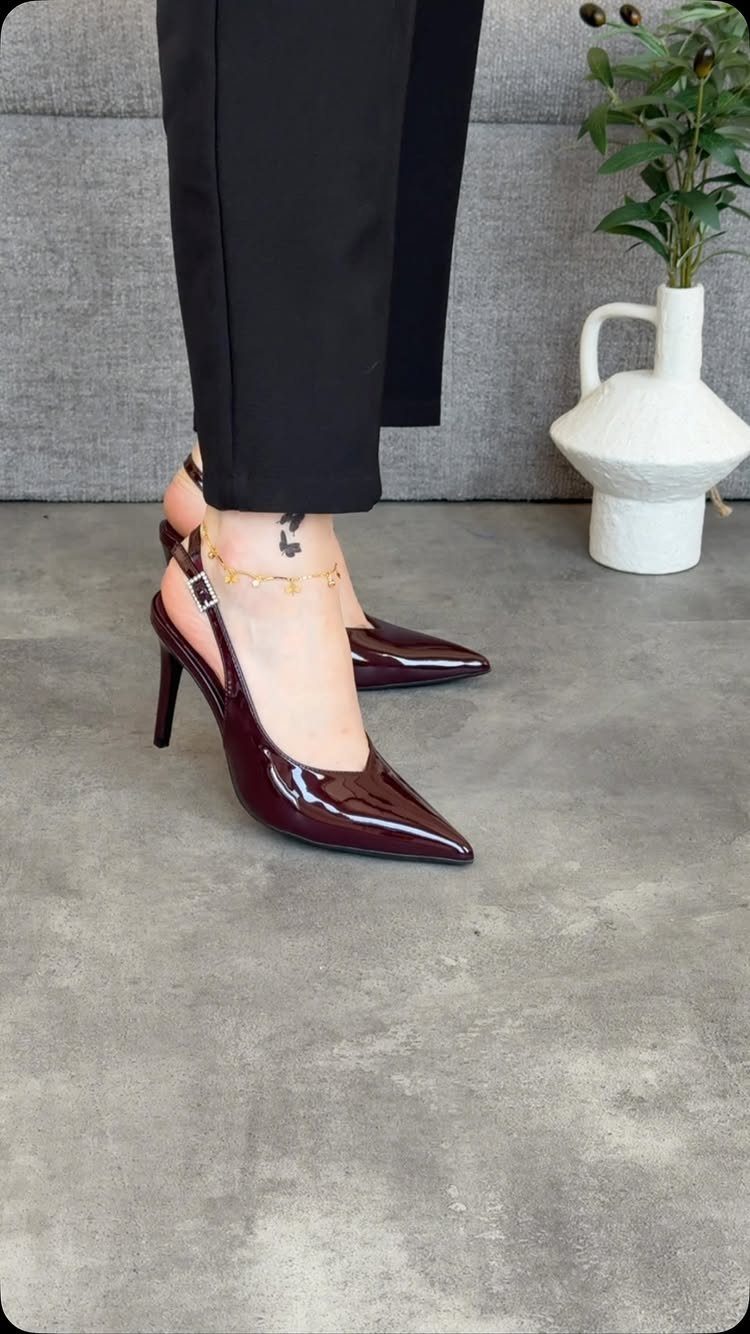
A stiletto’s slim heel does the heavy lifting of making trousers or a midi dress read as dressed up rather than office-casual. A burgundy patent stiletto at mid-height changes your posture without turning every step into an event.
Patent leather holds up better than suede through a long evening; satin, like the white single-strap style I kept seeing, shows water spots and scuffs faster.
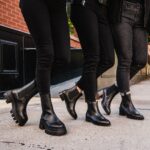
For winter semi-formal, a pointed-toe stiletto boot in black suede keeps the line clean while actually covering your foot. Side zippers matter more than you’d think; fumbling with a boot that pulls on costs you composure at the door.
2. Block Heels
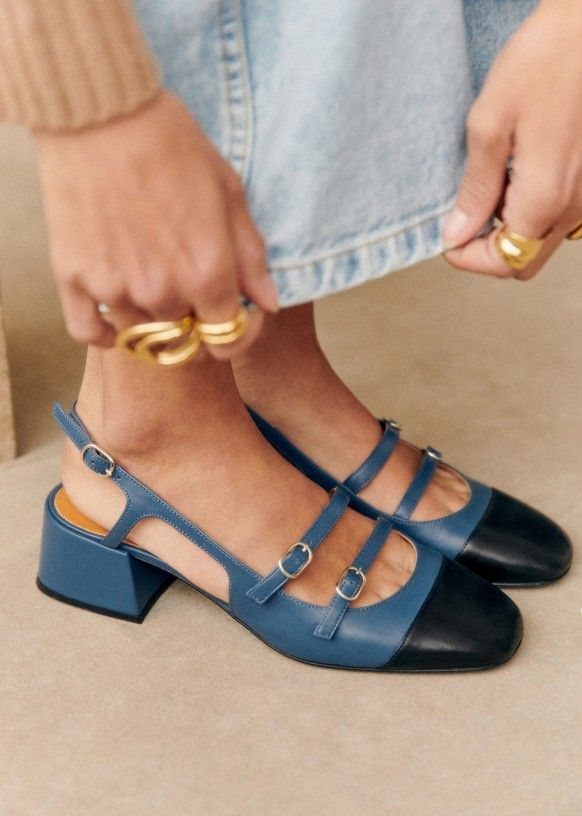
Block heels spread your weight across the full width of the heel, which means a long benefit or standing cocktail hour does not end with you calculating whether you can slip them off under the table.
Mary Jane straps and a low block heel read as intentional, not a compromise.
Blue leather with black toe caps handles denim better than all-black would; the contrast looks styled rather than accidental.
Perforated toes and wooden heels turn up in warmer months, but for semi-formal I would stick to leather or suede and save the wood for daytime.
Silver buckles catch light and draw the eye; if your ankles are your concern, a single strap placed lower than the ankle bone creates a longer line.
3. Pointed-toe Flats
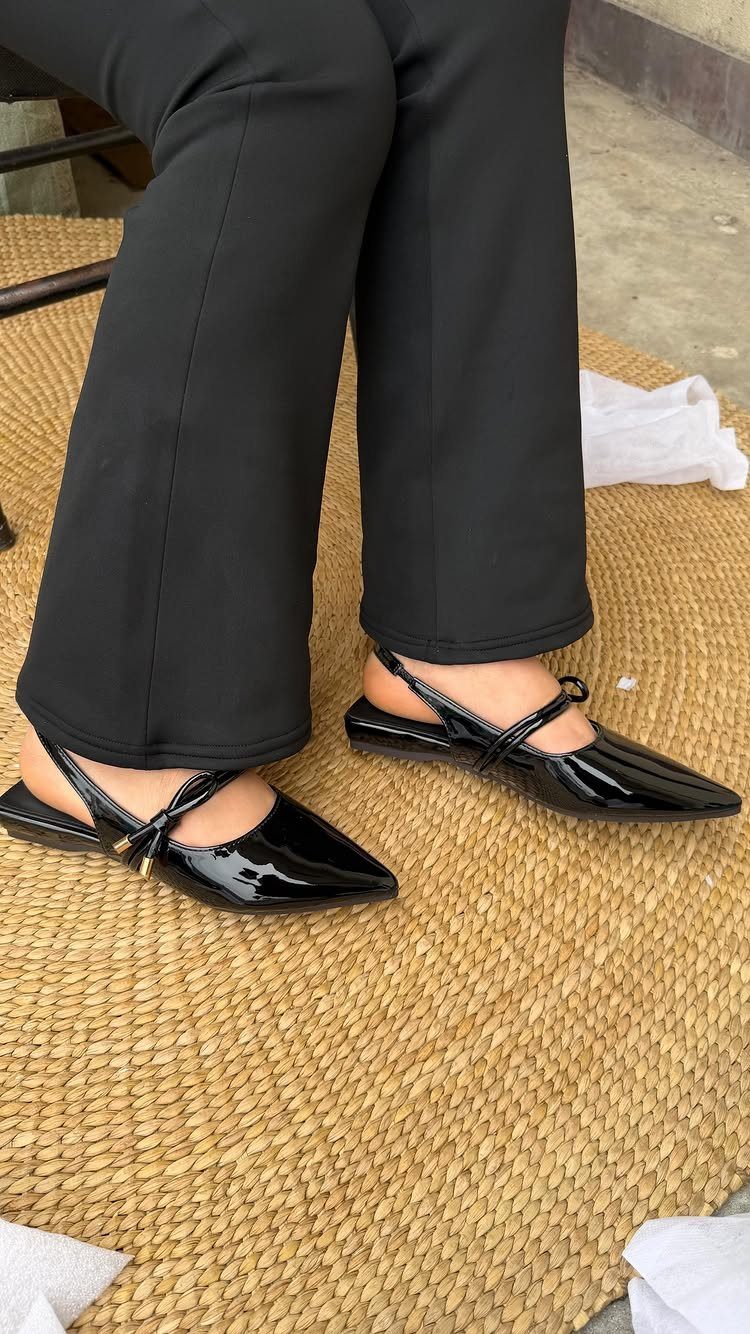
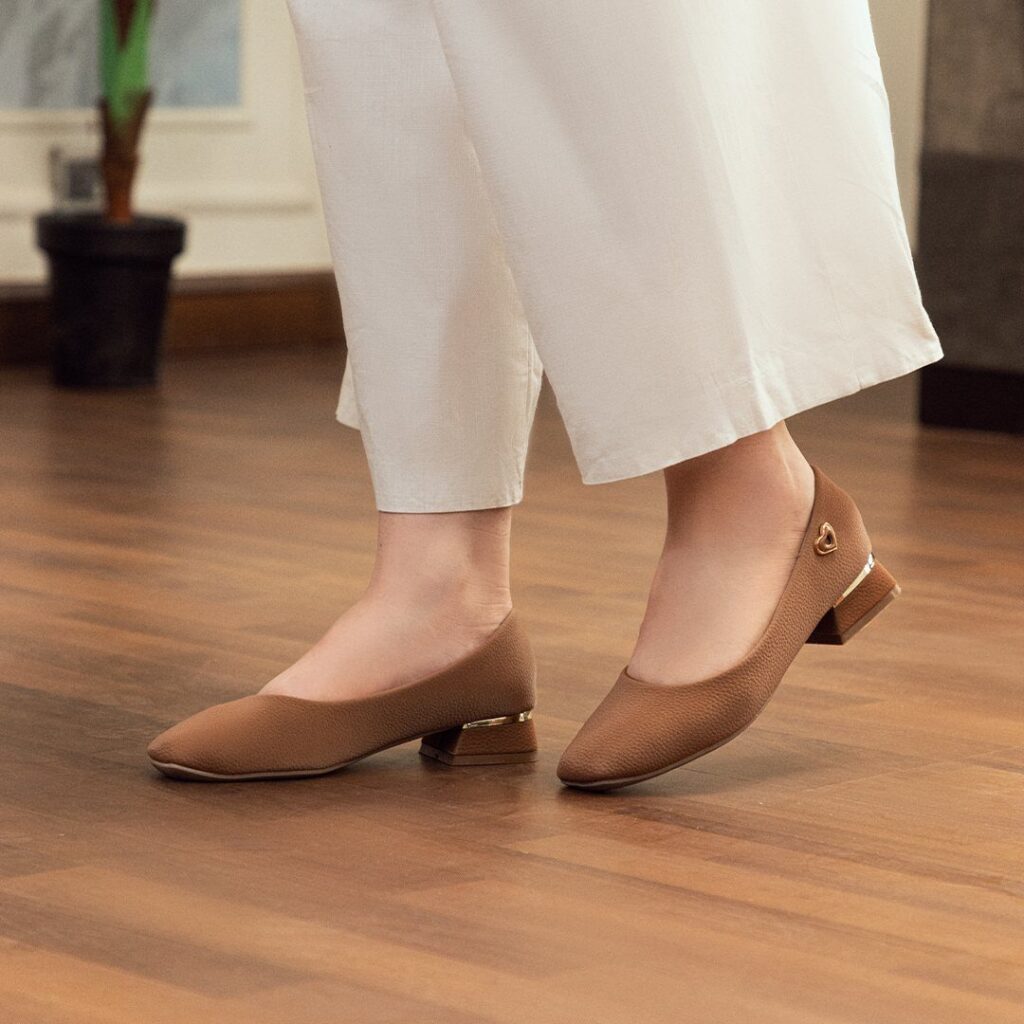
Pointed-toe flats carry the shape language of heels, the sharp toe and often the slingback strap, without the height that rules some women out by late evening.
A patent pair with thin bow straps would not look out of place at a cocktail party where half the women have already kicked off their pumps.
Two thin buckled straps across the top, like the black leather version I found, stay put better than a single band and add structure to a look that can otherwise read as unfinished.
Crisscross or slingback keeps the heel from slipping; without that, you walk differently, more cautiously, and it shows.
These suit women who will be on their feet serving or hosting, or who simply do not wear heels.
What you lose is literal height; pair them with cropped trousers or a hem that hits at the knee so the leg line does not disappear.
4. Strappy Sandals
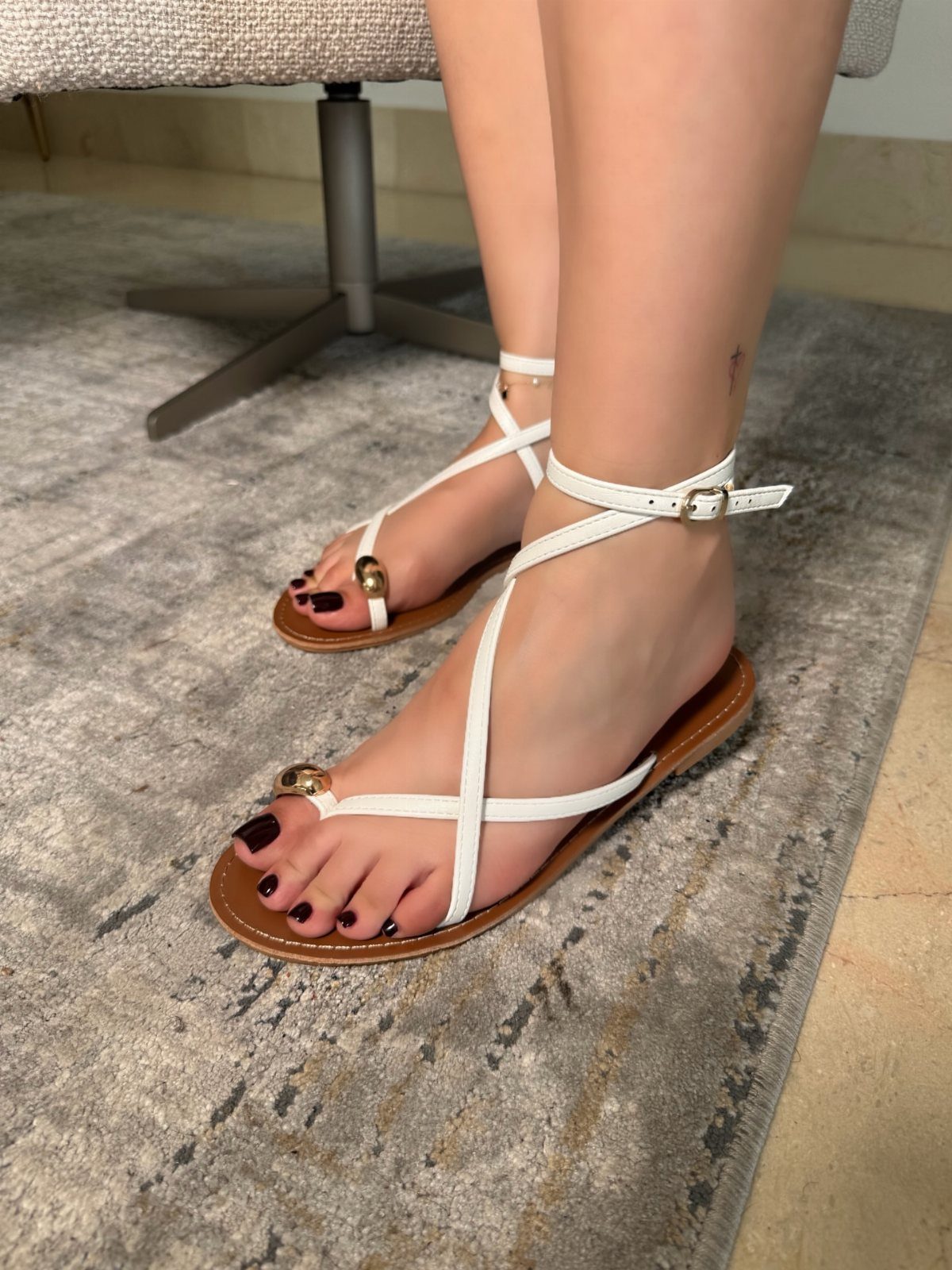
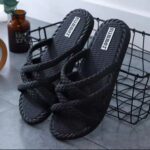
Strappy sandals read as semi-formal when the straps stay thin and the hardware, if any, stays minimal. A gold-ringed flat version works for outdoor or daytime events where a heel would sink into grass or read as trying too hard.
A block heel in metallic leather, like the Sam Edelman style that kept surfacing, gives you the elevation of a heel with the stability of a wider base; the square toe is a current shape that looks deliberate rather than dated.
White strappy heels with matching block heels extend the leg in summer neutrals, though they demand a fresh pedicure and some attention to where you step.
For semi-formal, I would avoid anything with a platform or a tall heel; the more foot you show, the less shoe you need to make the statement.
5. Open-toe Shoes
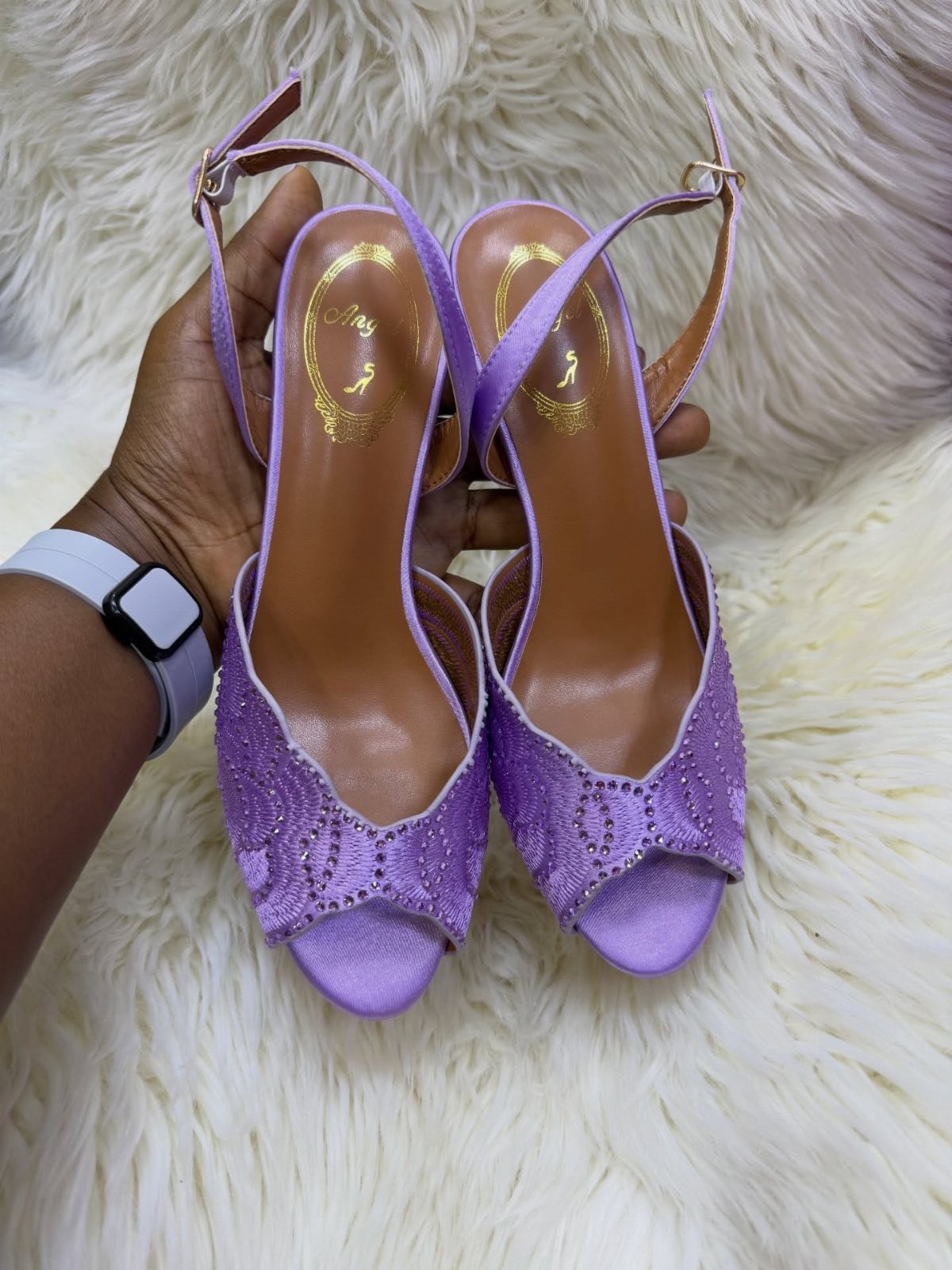
Open-toe shoes let you wear semi-formal in heat that would make a closed pump unbearable. A lavender embellished pair with slingback and jeweled upper is doing the work of jewelry as much as footwear; the shoe becomes the accessory.
A thick block heel and slim ankle strap in brown leather, like the Sézane style I noted, keeps the look grounded; coral patent reads as more playful, more daytime.
For evening semi-formal, I would look for a heel in a metallic or a dark neutral, and keep the embellishment if any, to the upper rather than the heel itself.
The maintenance matters more with open toe than with closed; scuffed toes or worn heel caps show immediately, and there is no hiding a pedicure that has grown out.
Check the insole too, since it is visible from above; a gold emblem or clean stitching reads as finished, a worn logo does not.
Frequently Asked Questions
What are the best shoes for a semi-formal dress?
Pointed-toe stilettos or block heels in leather or suede are the most reliable choice. A mid-height stiletto in burgundy patent or a low block heel with a Mary Jane strap reads as intentional and dressed-up without being full formal.
If you are standing for hours, a side zipper on an ankle boot keeps entry neat, and patent leather forgives scuffs from a crowded coat check better than suede ever will.
What does it mean when shoes are considered semi-formal?
Semi-formal shoes sit between office-casual and black-tie formal: they use dressy materials like patent leather, suede, or metallic finishes, and they favor shapes that read as styled rather than utilitarian.
Thin straps, pointed toes, and minimal hardware signal the category; platforms, tall heels, or casual materials like wood or perforated details push a shoe out of it.
What is the appropriate length for a semi-formal dress?
Knee-length is the familiar standard, though midi cuts read as dressed up at most evening events and a maxi skirt works when the fabric has some weight to it.
Can I wear a pantsuit to a semi-formal event?
A pantsuit in a fluid fabric, worn with a heel that peeks out beneath the hem, has been accepted at semi-formal events for years now; the tailoring matters more than the shape.
Pair it with heels that match the formality: a stiletto or structured block heel in leather, with height enough to read as dressed-up.
Can I wear bold prints or patterns to a semi-formal event?
I still reach for a solid when I am unsure of the room, but a quiet pattern like a pinstripe or a tonal jacquard reads as considered rather than loud.
One metallic shoe, worn with a busy print, needs a strap that sits below the ankle bone so the eye travels in one long line; gold buckles are fine, yet placement matters more than shine.