Comfortable cowboy boots that last span from Twisted X’s work-minded construction to Tony Lama’s rebuildable soles, with Tecovas, Anderson Bean, and Dan Post filling the middle ground.
CellStretch cushioning, hand-finished leather, and insoles built to compress over months rather than collapse in weeks all appear in the 5 pairs below.
1. Twisted X Boots
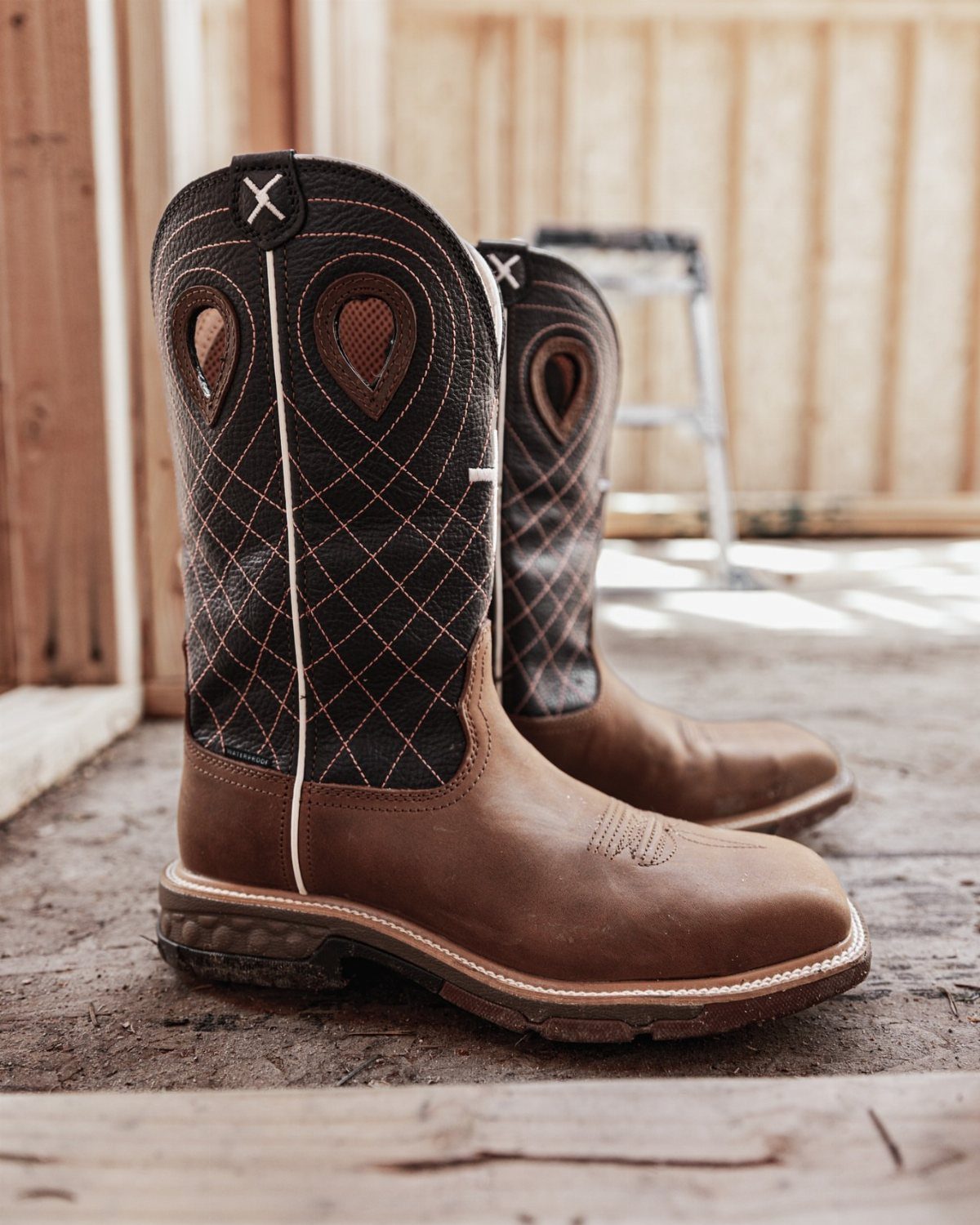
Twisted X builds its cowboy boots around CellStretch cushioning, a foam system meant to spread pressure across the whole foot rather than leave it at heel and ball.
Their eco-conscious lines swap some leather for recycled material, which matters if you track where your gear comes from.
I would look at these for outdoor work or casual days where you are on your feet a while; the construction runs more utilitarian than dressy, so pair them with jeans that can take dust.
2. Tecovas Boots
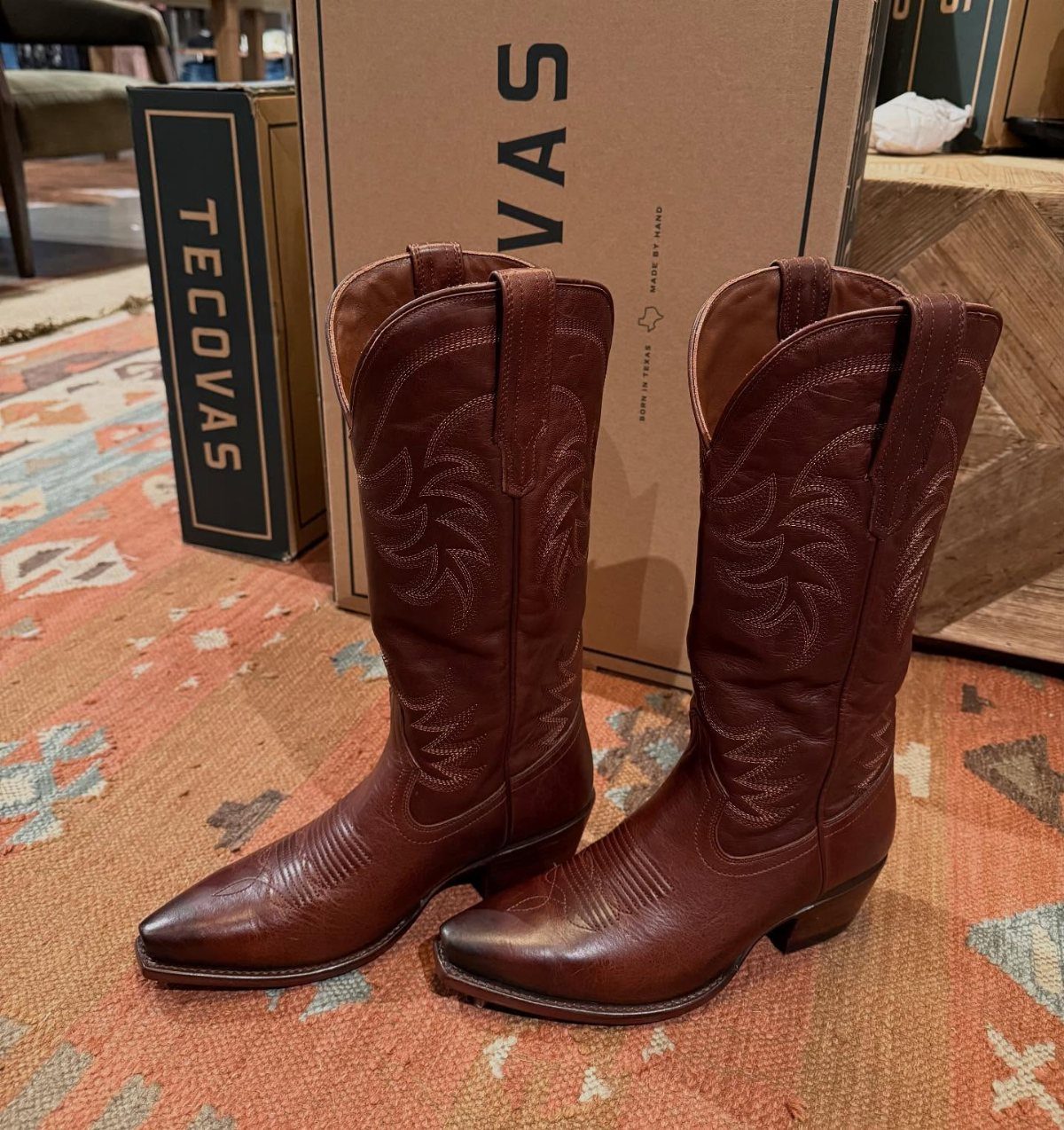
Tecovas softens the leather enough that the boot does not clamp your instep from hour one, and the forefoot runs wider than most women’s western brands.
The Annie is their best-known tall shaft, though I would not sleep on the mid-height styles; they show just enough above ankle boots to read as western without the full costume.
Over 80 options exist across shaft heights, toe shapes, and colorways, so the hard part is stopping at one pair. Budget-wise, the direct-to-consumer cut keeps them below comparable hand-finished boots.
3. Square Toe Boots
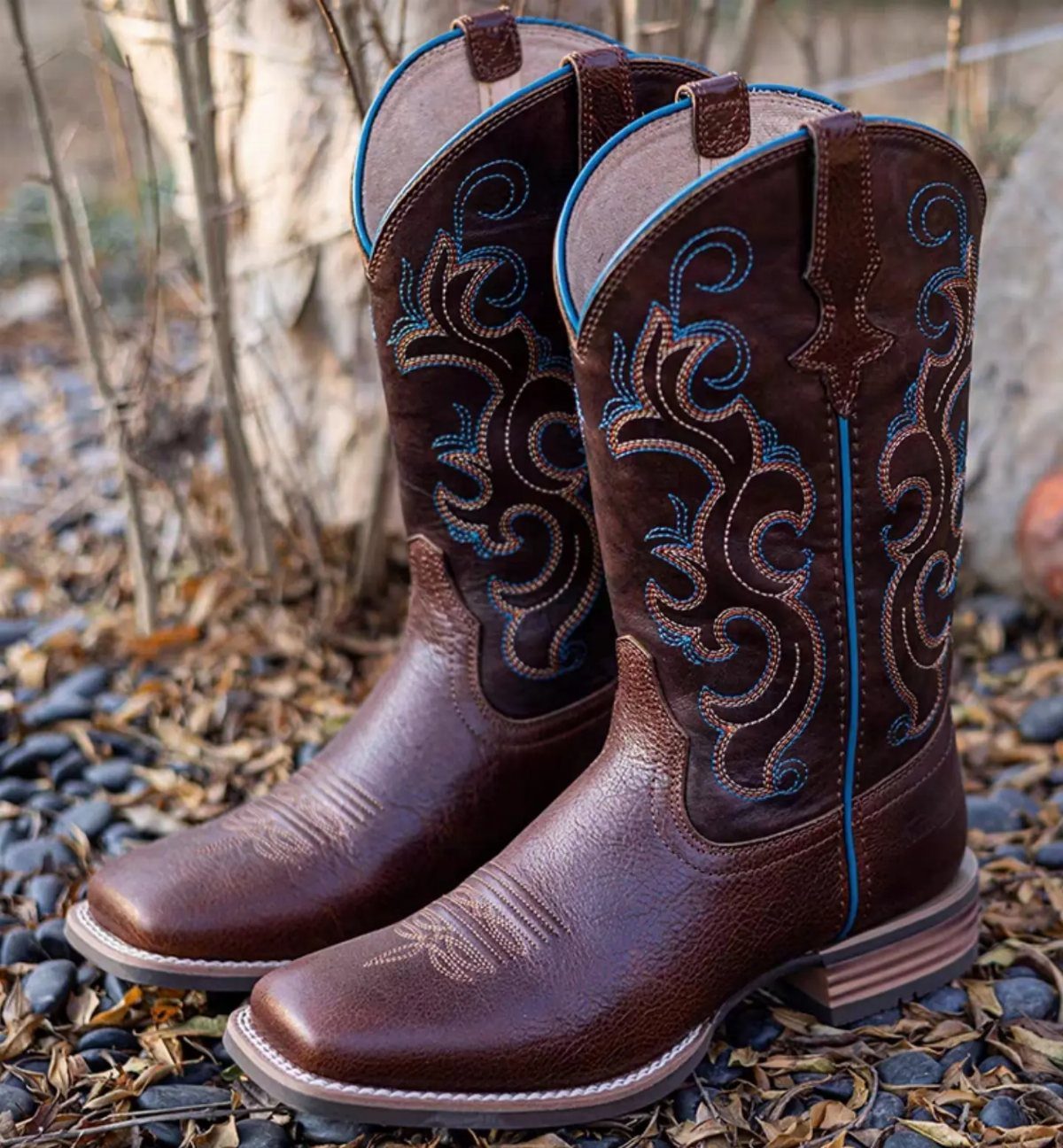
The square toe is the shape to try if your forefoot needs room to spread or you wear thicker socks through cold months.
The Idyllwind Tumbleweed pairs tan leather with blue and orange shaft embroidery, a combination that reads more rodeo weekend than ranch Monday.
Check whether your usual size holds in this brand; square toes can run long, and a half-size down sometimes fixes heel slip without pinching the toes.
4. Tony Lama Boots
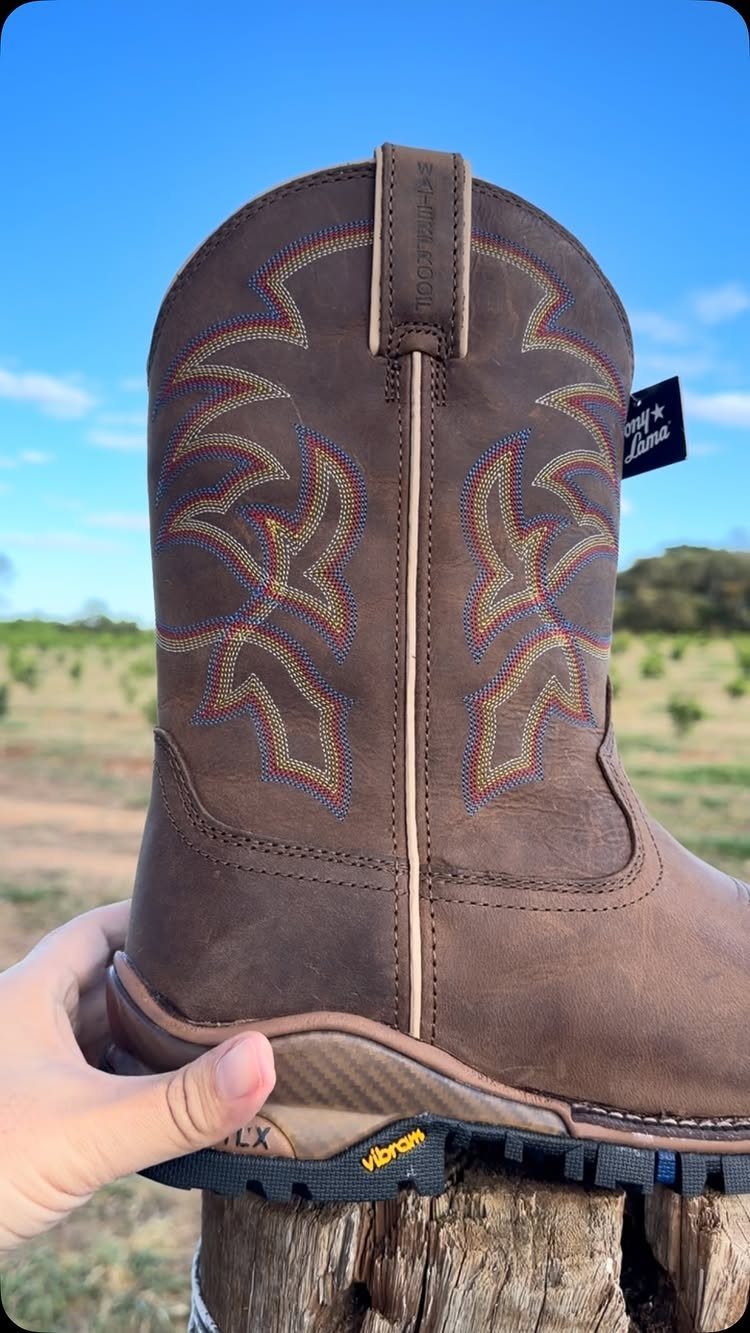
Tony Lama has been building boots since 1911, and the Vibram sole on their current models tells you they still engineer for function, not just museum pieces.
The colorful embroidery keeps the western tradition visible, but that lug sole means these will grip mud and barn floors.
I would treat these as an investment that needs resoling eventually rather than replacing; the leather selection includes exotics if you want to step up from calfskin later.
5. Anderson Bean Boots
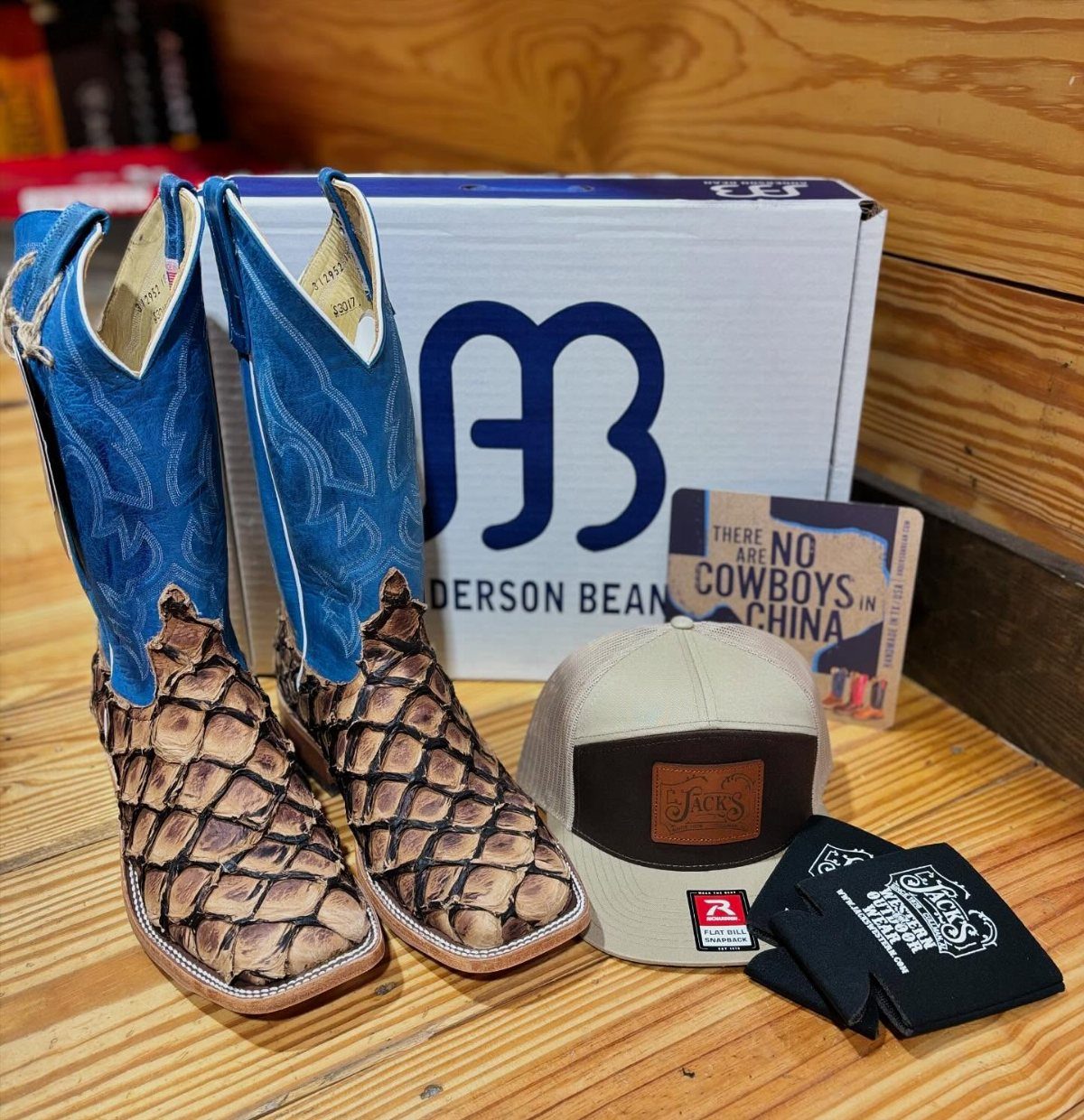
Anderson Bean uses textured leathers like the fish-scale vamp, and a blue shaft makes these unmistakable across a room.
The insoles are built to soften over months, not minutes, so the first wear is firmer than it becomes. Ranchers and rodeo competitors favor them for exactly that reason: the boot shapes to your foot rather than breaking down.
If you are on concrete all day rather than dirt, the break-in patience still pays, but give them regular wear before judging.
6. Dan Post Boots
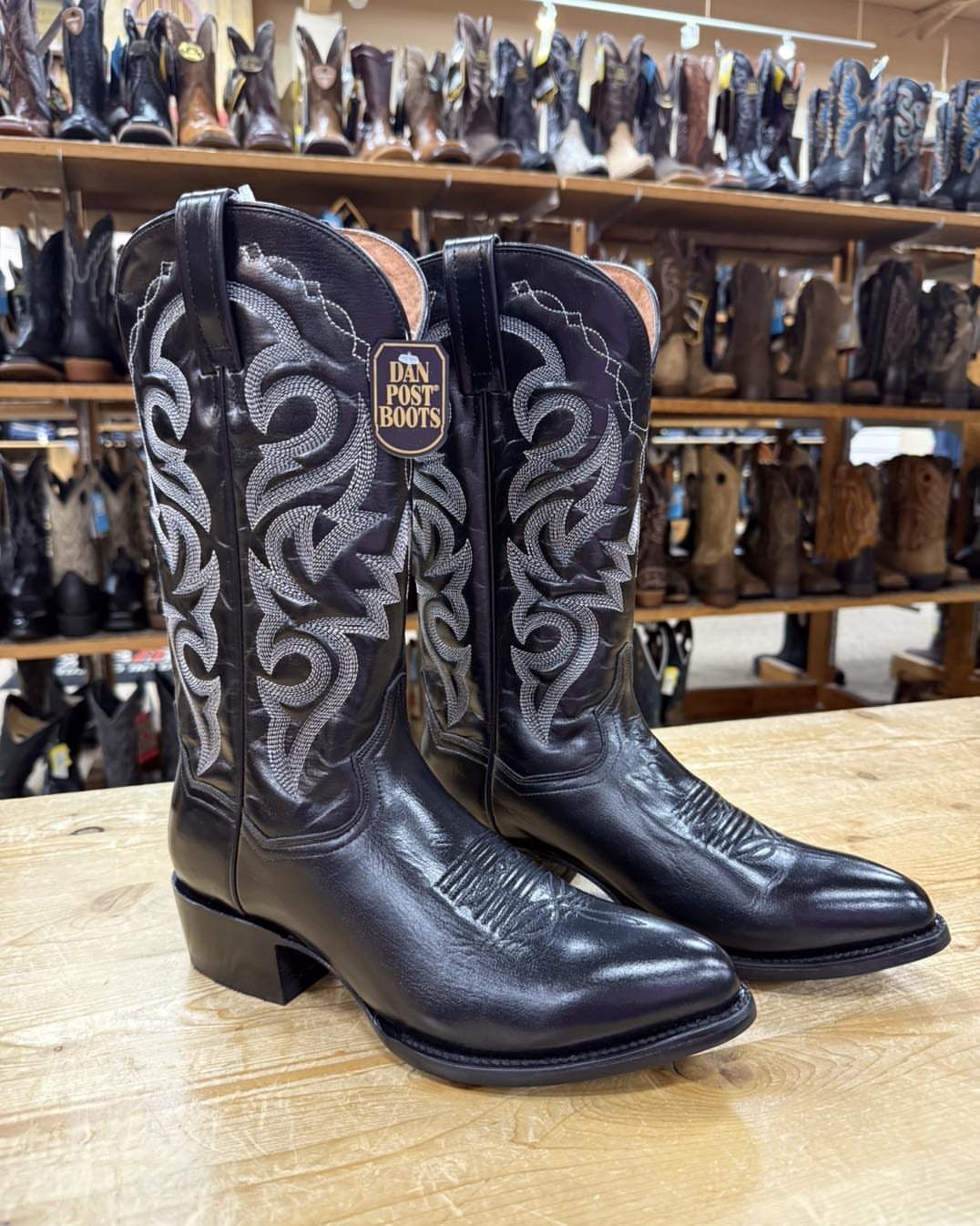
Dan Post sits at a lower price point than most hand-finished western boots, and the leather quality holds up; the trade is a thinner sole and less arch support than brands like Ariat or Tecovas.
The black calf with white embroidery is classic enough for dress occasions once the leather relaxes. I would buy these knowing week one involves band-aids, or plan thick socks and short outings until the creases set where your foot bends.
Choosing the Right Cowboy Boots
Purpose should drive your first filter.
Work boots need a lug sole and waterproofing; dress boots can trade grip for cleaner lines. Casual wear sits in between, and a boot that tries to do all three usually fails at one.
The instep, not the toe, is where fit starts with cowboy boots.
The boot should hold snug there with a slight heel slip when you walk; if your heel locks tight, the boot is too long and your toes will jam forward on inclines.
Measure your feet late in the day, when they have swollen to working size, and check whether the brand sizes the same as your running shoes. Many western makers run a half-size off standard.
Budget for resoling, not just purchase. A hand-finished boot with replaceable soles outlasts glued pairs that go in the trash once the heel wears; the yearly cost gap widens every season you still own them.
Quality leather also molds rather than collapses, so the comfort improves rather than degrades.
Maintaining Cowboy Boots
Brush dirt off after each wear; dried mud pulls oils from leather as it flakes away.
Condition with a product matched to your leather type, and never use heat to dry wet boots. A fan moves air without shrinking the uppers the way a radiator would.
Rotate between 2 pairs if you wear boots daily. A full day of rest lets moisture evaporate from the linings and cork midsoles rebound; the second pair does not need to match the first, only to fit the same activities.
Replace insoles once the compression sets. The original cushion degrades before the outsole does, and a fresh insert restores the support you felt at month one.
Store boots upright with shaft supports, or lay them on their sides; folding collapses the ankle shape and creases the vamps permanently.
Common Cowboy Boot Issues
A narrow last causes most fit problems in women’s western boots.
The silhouette looks sleek on the shelf, but a tapered toe box forces the big toe inward and pinches the little toe outward; both produce blisters and, over months, bunions.
If your forefoot spreads when you stand, look for brands that cut the last wider or offer explicit wide sizing.
Soft leather that flexes with your stride matters more than padding thickness.
Rigid leather fights every step until it breaks in, and some never will; the best boots use hides selected for pliability from the start. Check the vamp where it bends: creasing should start immediately, not after months of wear.
Moisture-wicking linings separate boots you can wear all day from boots you shed at noon.
Leather that breathes but does not transport sweat stays damp; synthetic linings or proper mesh panels keep feet cooler and reduce the friction that causes hot spots.
Frequently Asked Questions
Are Ariat or Tecovas more comfortable?
Tecovas softens its leather enough that the boot does not clamp your instep from hour one, and the forefoot runs wider than most women’s western brands.
Tecovas needs less break-in time than Dan Post and less than work-focused brands, with over 80 options across shaft heights and toe shapes.
What brand of boot is most comfortable?
There is no single most comfortable brand because fit depends on your foot shape and what you are doing in the boot.
Tecovas wins for easy break-in and a wider forefoot, Anderson Bean shapes to your foot over months with firmer insoles that compress rather than collapse, and Twisted X spreads pressure across the whole foot with CellStretch foam for outdoor work or long standing days.
Are cowboy boots comfortable to walk in all day?
Yes, if you choose boots built for it and match the construction to your actual day.
A thick cushioned footbed matters most on fairground asphalt and concrete, where shock comes up through the heel fast enough to matter by noon, and lightweight construction keeps a boot from dragging by hour 4 regardless of insole softness.
What are the most comfortable cowboy boots?
Tecovas, Anderson Bean, Twisted X, Tony Lama, and Dan Post all make the list for different reasons.
Tecovas is the easiest break-in with a wider forefoot; Anderson Bean compresses to your shape over months; Twisted X spreads pressure across the whole foot for outdoor work; Tony Lama engineers for function with a Vibram lug sole that grips mud and barn floors; Dan Post holds leather quality at a lower price point but asks more break-in patience.