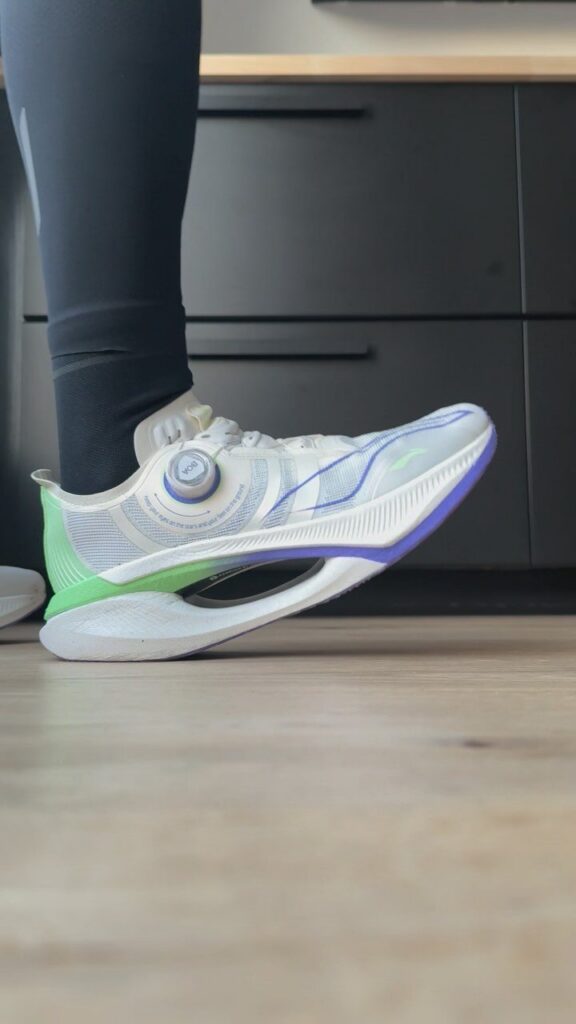
Carbon plate race shoes pair a stiff plate with a cushioned midsole and a rocker bottom that rolls you forward, which sounds simple until you try sorting out who actually needs them.
The list below covers what these shoes do, who should wear them, and why most runners should not reach for them every day.
A shoe like the Saucony or Hoka handles a wider forefoot than the Nike Vaporfly, which matters more at mile 18 than it does in the store.
1. Racing Shoes with Carbon Plates
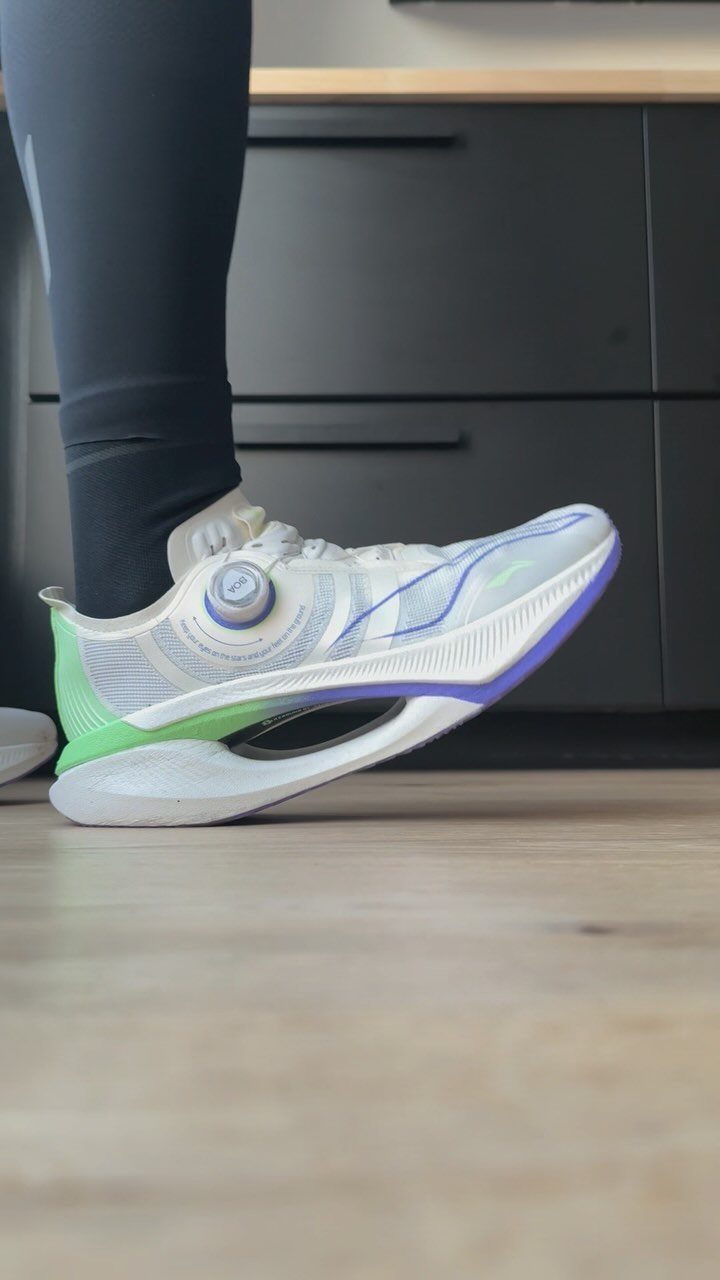
A carbon plate sits inside the midsole like a spring-loaded lever, stiffening the forefoot so each push-off returns more energy than a standard trainer wastes.
For runners chasing a half or full marathon PR, that improved economy means fresher legs late in the race when everyone else is fading.
I would reserve these for race day and your hardest tempo runs; the foam compresses over miles and loses its pop, so daily training in them burns through the benefit you paid for.
Casual runners tend to underestimate how much weight matters once the miles stack up. The lightest pairs drop surprisingly low in weight, and over a full marathon that adds up to less lifted per step than a heavier shoe demands.
If your feet run wide, try Saucony or Hoka before defaulting to the Nike Vaporfly; a cramped forefoot on mile 18 is its own kind of slow.
2. Cushioned Midsole
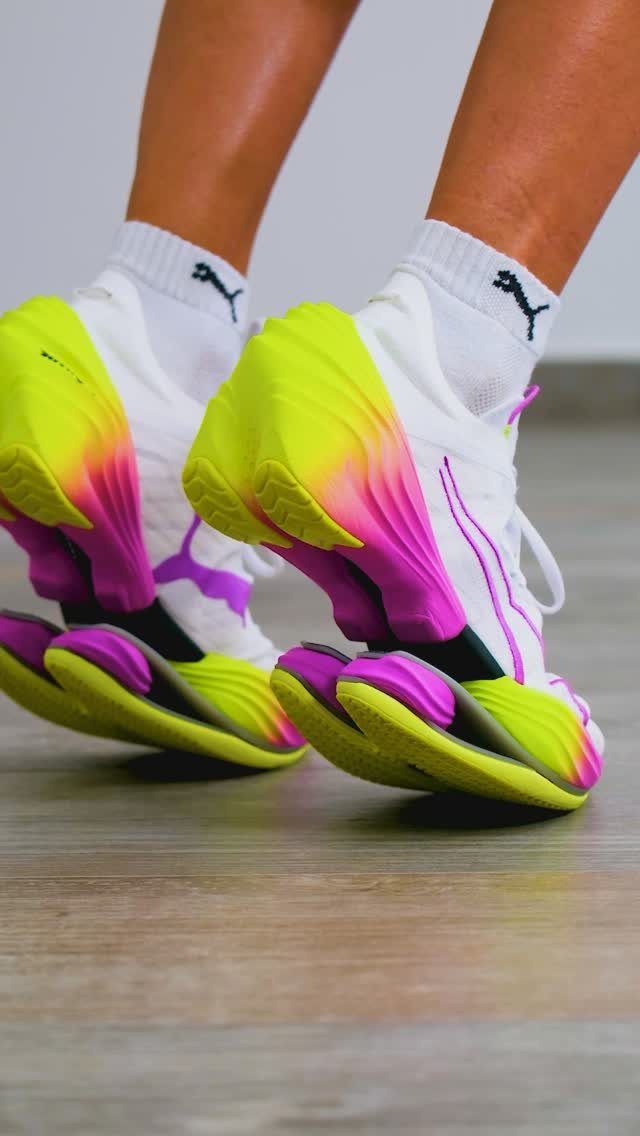
Advanced foams like Puma’s NITRO or Nike’s ZoomX compress on landing and spring back as you toe off, turning impact into forward motion instead of letting it dissipate into your joints.
The feel is soft without being mushy, which matters for runners who want protection over distance without losing the ground connection that makes a shoe feel fast.
I look for a midsole height that doesn’t tower so high I lose stability on turns; current carbon-plated racers cluster in a similar heel range, but personal preference varies more than marketing admits.
These foams do break down. Plan on retiring a carbon-plated pair after hard use, or the plate starts working against collapsed cushioning and the ride turns harsh.
For that reason, keep a cheaper daily trainer in rotation and save the expensive foam for days that count.
3. Rocker Bottom Geometry
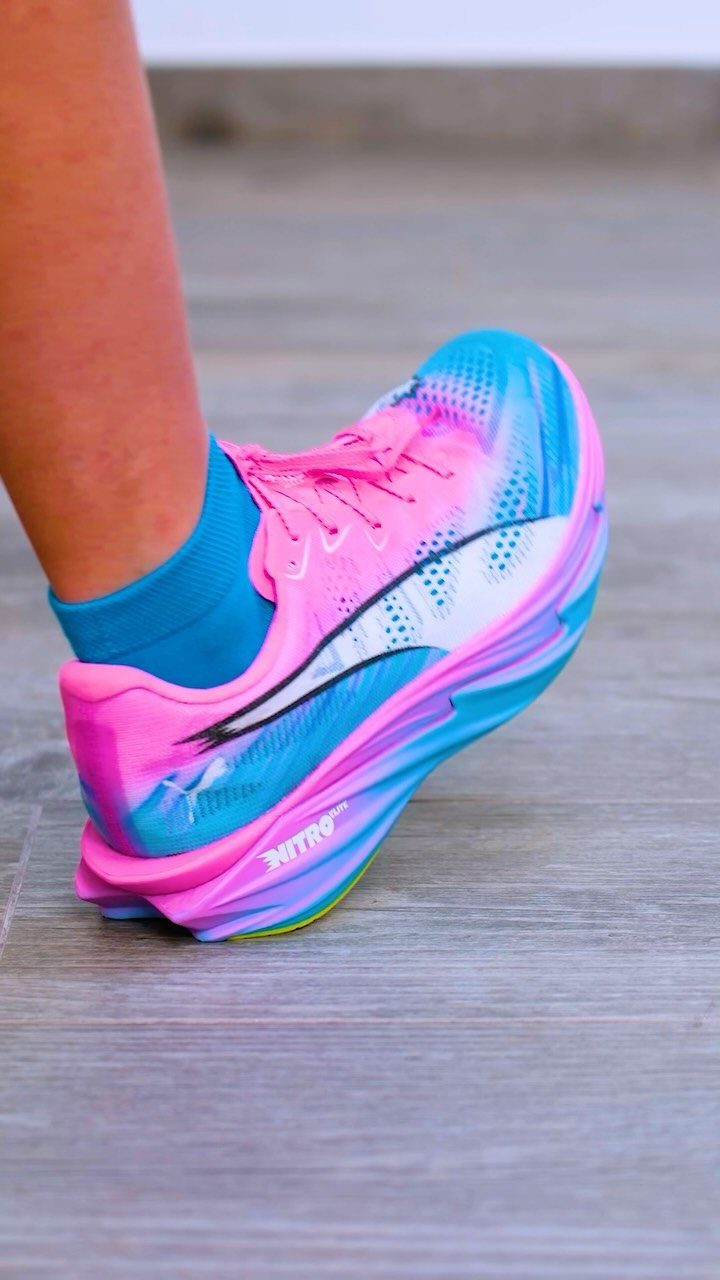
The rocker curves the sole from heel to toe so your foot rolls through each stride instead of flexing fully at the ankle, handing some of the mechanical work to the shoe.
That reduced ankle flexion is why my calves feel less trashed after a long run in a well-rockered shoe; the geometry shifts load away from the Achilles and lower leg, which helps if you are prone to tightness or coming back from a mild strain.
The transition from landing to toe-off happens faster, though it can feel like the shoe is rushing you if your natural gait is slower and more deliberate.
Not every runner clicks with the same curve. Aggressive rockers suit midfoot and forefoot strikers best; if you land heavily on your heel, a milder arc or a traditional flat shoe may feel more controlled.
Try a few minutes of jogging before committing; the geometry either disappears beneath you or it doesn’t, and there is little middle ground.
Safe Usage Guidelines
Start with short efforts when you first wear carbon-plate shoes, even if your weekly mileage is high. The rigid forefoot changes how your foot interacts with the ground, and your ankles and calves need time to recalibrate.
Foot strength matters more than most runners assume. Simple exercises like towel scrunches, single-leg heel raises, and short barefoot walks on grass build the intrinsic muscles that a stiff plate otherwise does the work for.
Without that base, the plate can shift stress to your shins or the ball of your foot.
Watch for new pain in the metatarsals or along the shin after introducing them. That is not normal break-in soreness; it is a signal to back off.
Most coaches I have read suggest keeping carbon-plated pairs for one or two key sessions per week, rotating with lower, more flexible trainers that let your foot do its natural job.
Frequently Asked Questions
What does a carbon plate do in a running shoe?
That spring-loaded lever effect in the forefoot is what separates a carbon racer from a standard trainer; the plate stores energy you would otherwise lose and feeds it back into your next stride.
The plate sits inside the midsole, usually between layers of foam, and works with the shoe’s rocker geometry to roll your foot faster from landing to toe-off.
Lab tests put that returned energy between one and four percent, enough to shave seconds per mile or let you hold goal pace while breathing easier.
What are the downsides of carbon plate shoes?
The same rocker that rolls you forward lets your Achilles and calves slack off, and the plate’s stiffness can cover for foot and ankle strength you have not actually built.
Super-foams break down; after a couple hundred miles the bounce goes flat and the ride turns board-hard. Runners who land heavily on their heel may also find aggressive rockers feel rushed or uncontrolled.
Is it worth getting carbon plated running shoes?
Anyone with a finish-time goal, not just elites, gets measurable benefit from that efficiency gain. Without a race on the calendar, most casual runners are buying performance they will never stress hard enough to matter.
New runners still laying down base miles need to feel ground contact and develop stability the hard way; a plate that does the work for you stalls that process.