The shoes below run from casual sandals to technical sneakers built for long days with hills, and the pair that belongs in your suitcase depends on whether your trip leans toward museum cafés or full days on your feet.
I would look for a Vibram rubber outsole if wet cobblestones are in your itinerary, since that specific compound grips stone better than standard foam and wears longer when you are covering serious mileage.
1. Veja Campo
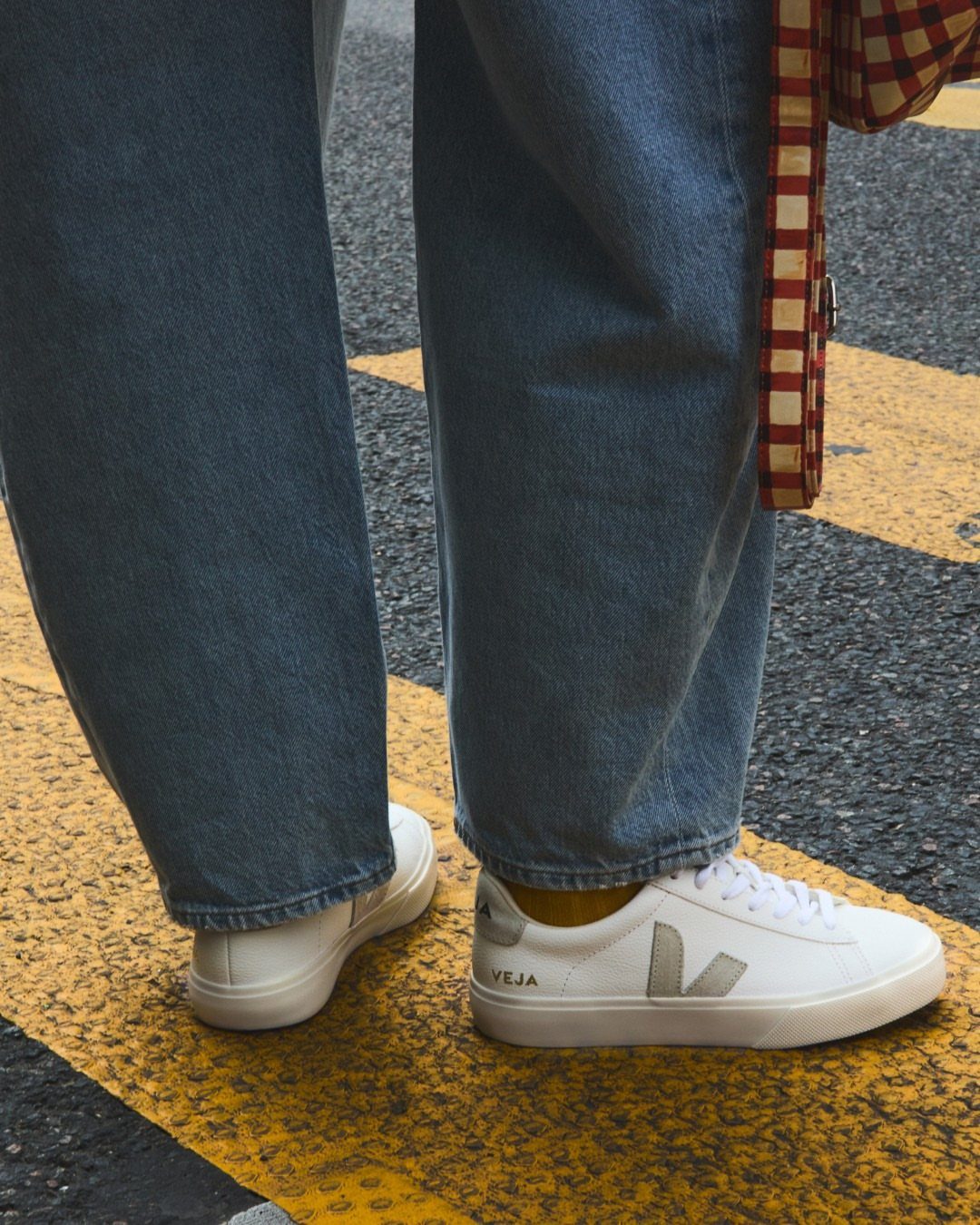
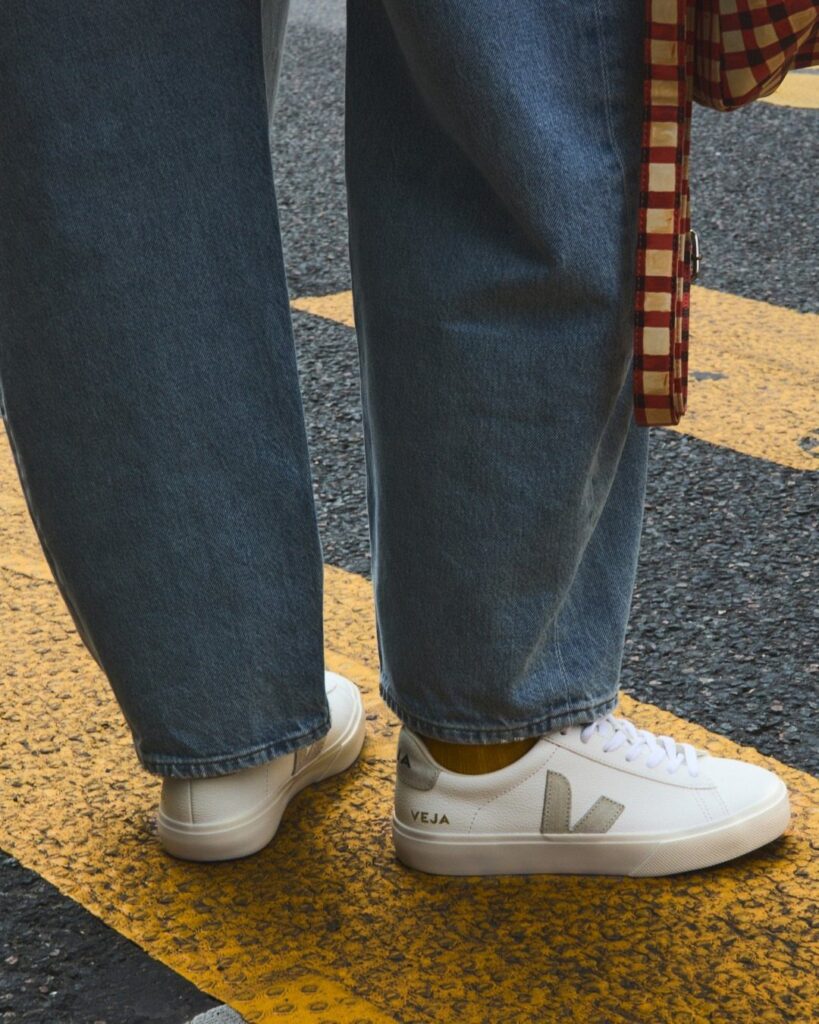
The Veja Campo is a white leather sneaker with a natural rubber sole and minimal branding that handles cobblestones better than most fashion-forward options.
It is lightweight and breathable, and the flexible sole keeps it from feeling clunky after hours of urban walking.
The leather comes from farms in Rio Grande do Sul, with an organic cotton lining, which matters if you are trying to pack fewer pieces that do more work.
Women who own these often buy multiple colorways, which tells you how they hold up.
I would pack the White Platine for a trip that mixes museum floors with uneven streets, since it reads clean enough for dinner but grips well enough for hills.
2. On Cloudtilt
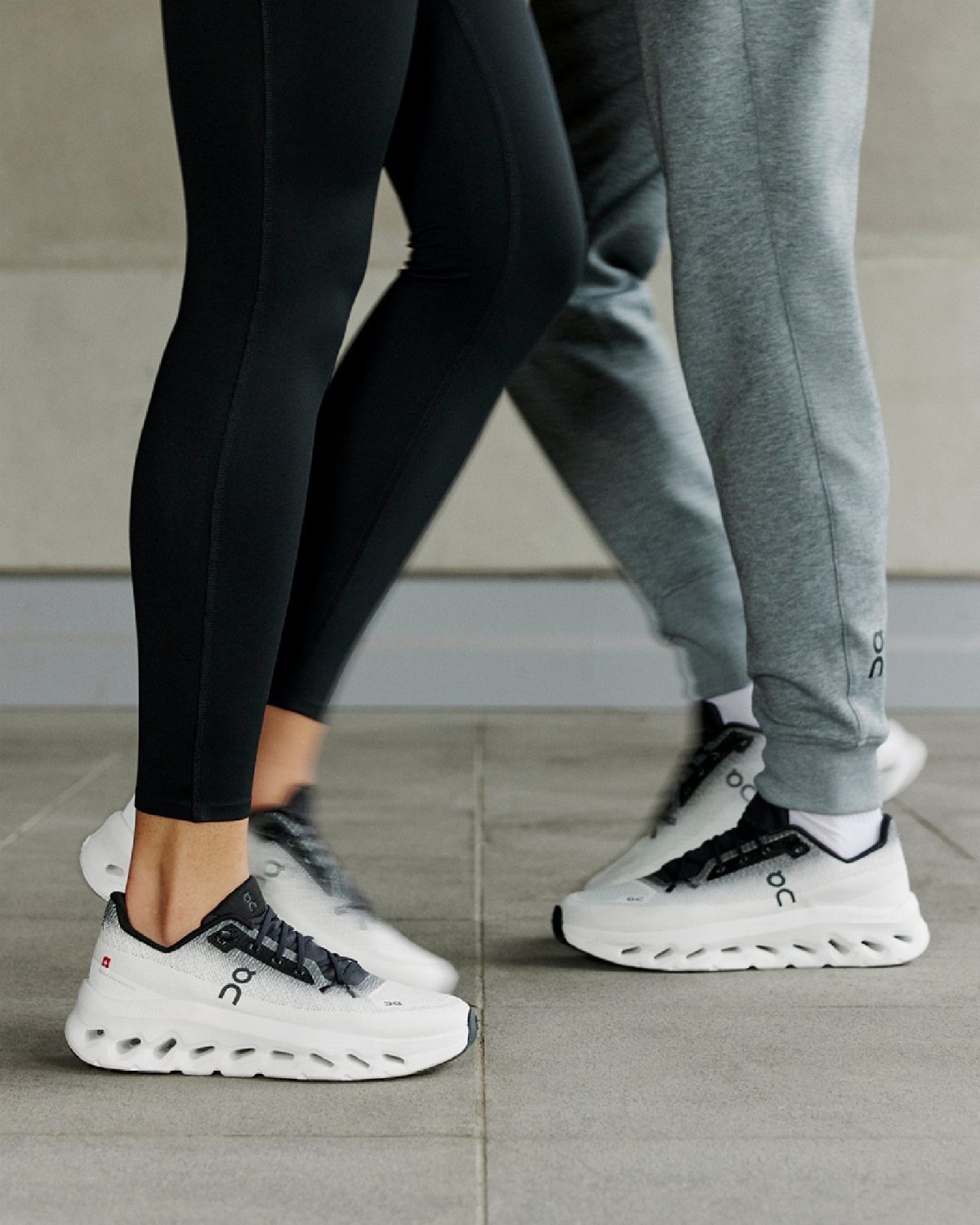
The On Cloudtilt is a running sneaker that functions as a walking shoe for travelers who rack up serious daily mileage.
The cushioning is the standout here, and the updated fit runs slightly wider than earlier versions, which helps if your feet swell in heat or after a long day of walking.
I would reach for the white or light grey for Europe, since it looks more refined than most performance shoes, and the waterproof version exists if your itinerary includes rainy coastal cities.
The slip-on ease matters more than it sounds when you are leaving early and returning late.
3. Croc Miami Toe Loop Sandal
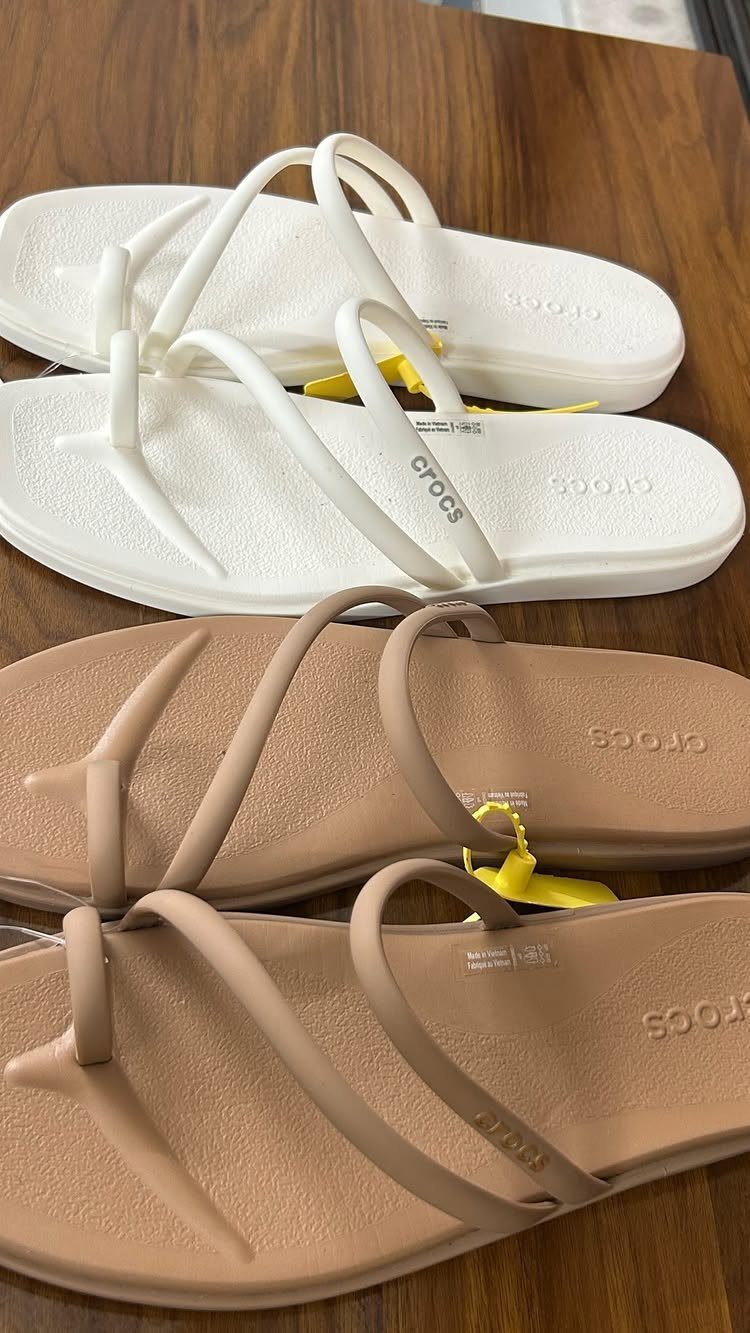
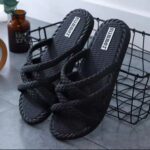
The Croc Miami Toe Loop Sandal is a strappy slide in neutral tones that works for beach mornings and city afternoons without a shoe change.
The toe loop keeps it secure where flat slides would flop, and the material rinses clean after sand or street grime.
I would check that the strap placement hits your foot right before committing, since toe loops can rub in ways that only walking reveals.
For summer Europe trips, a sandal that handles both water and pavement saves packing space, and this one pairs with most warm-weather palettes without trying too hard.
4. Puma Palermo
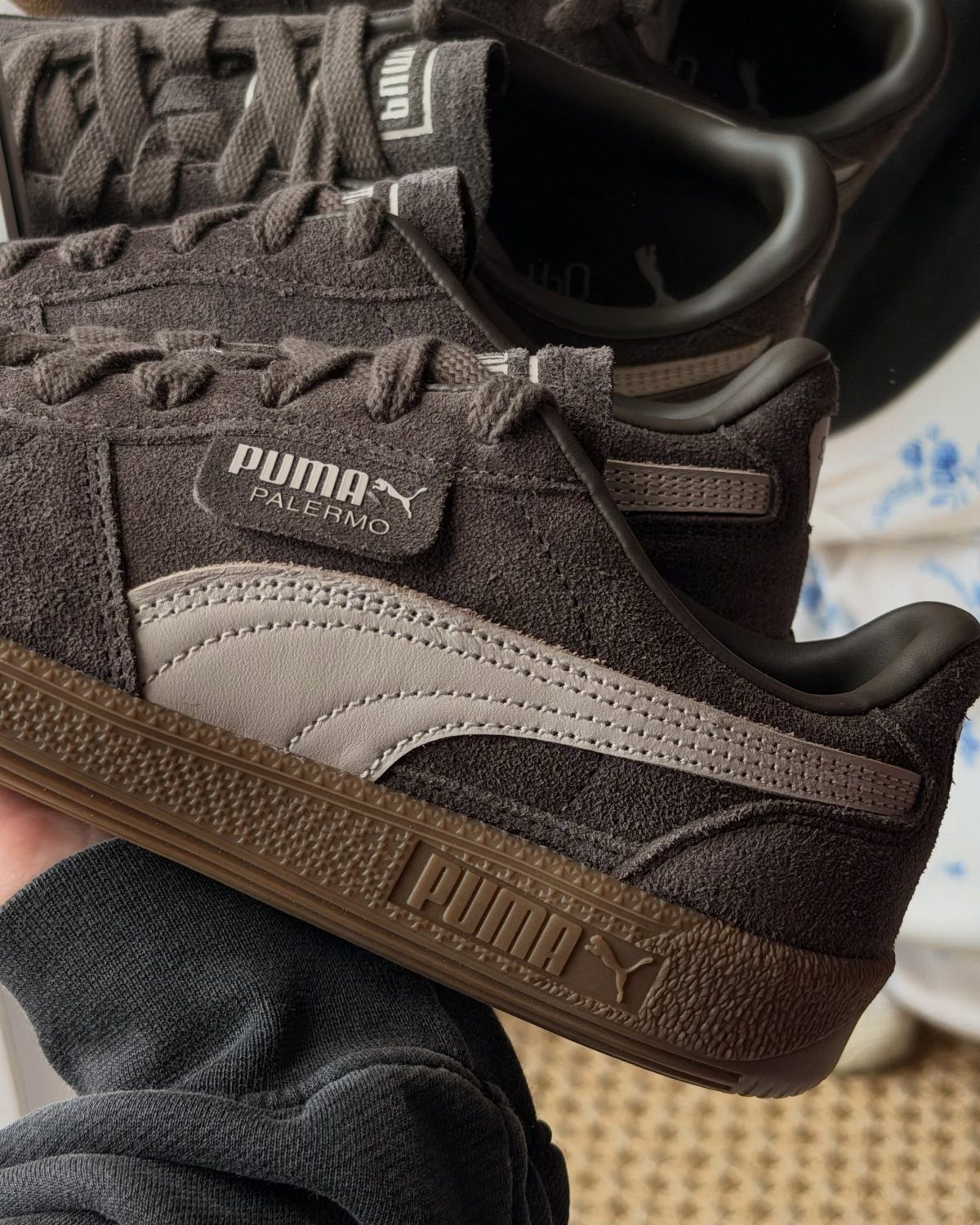
The Puma Palermo is a suede sneaker with gum soles that serves as a rotation piece rather than a daily driver.
The real value is in alternating it with another cushioned shoe every other day, which prevents the repetitive pressure points that build up when you wear the same sneaker for ten thousand to twenty thousand steps.
The dark brown or grey suede reads slightly more dressed-up than mesh running shoes, so it works for evenings when you still have walking to do.
I would not make this my only shoe for a Europe trip, but as a second pair to swap against an Adistar or similar, it is worth the suitcase space.
5. Woven Flat
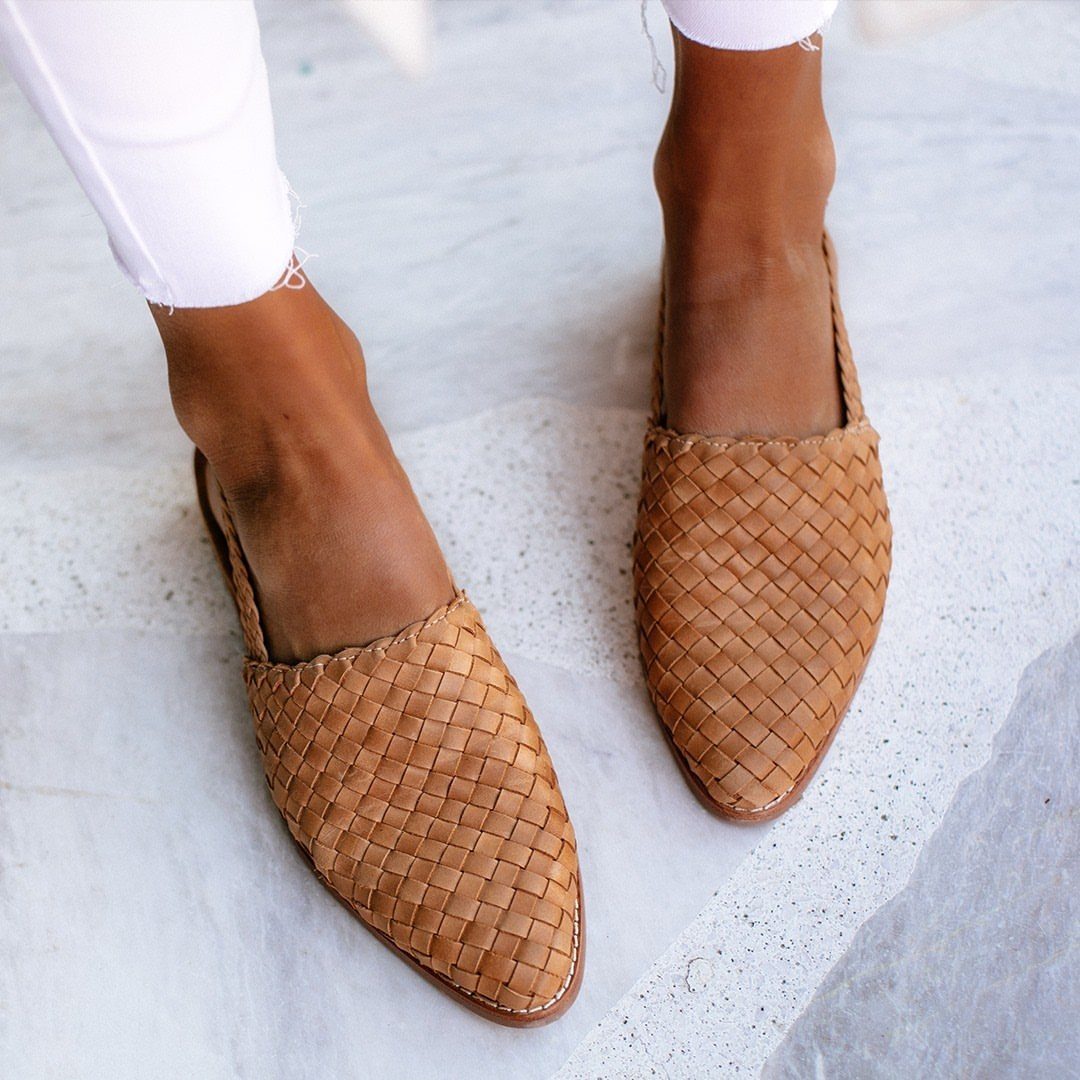
A woven flat in tan leather with a pointed toe is what you reach for when you want something between a sandal and a sneaker for summer in Europe.
The weave gives it texture that reads intentional rather than underdressed, and the closed toe protects against cobblestone gaps that catch open sandals.
I would verify that the sole has enough structure for full days of walking, since some woven styles prioritize looks over arch support.
Check whether the leather softens with wear or stays stiff, and whether the point narrows more than your foot allows.
6. Adidas Adistar Sneaker
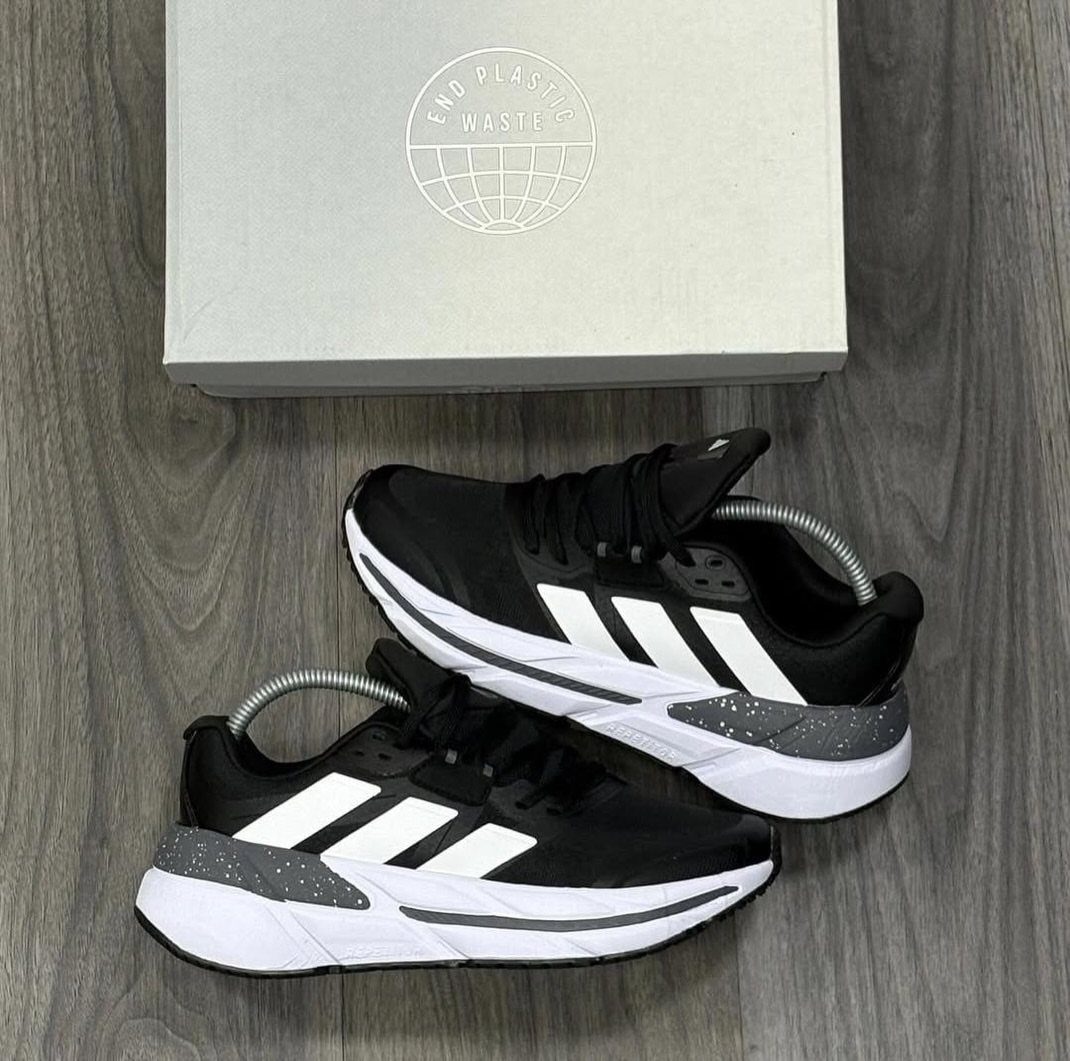
The Adidas Adistar is a black sneaker with white stripes and a thick white sole that somehow pairs with almost everything despite not being neutral in the usual sense.
The cushioning is substantial, and the fit works for wider feet without looking bulky. It comes in multiple colors, though the black and white version is the one that earns its place in a travel wardrobe.
I would wear this as a primary walking shoe and rotate it with something lower-profile like the Palermo to keep my feet from settling into one pressure pattern.
The "End Plastic Waste" branding on the box is a reminder that the materials here include recycled content, if that factors into your choice.
7. Adidas Stan Smith Sneaker
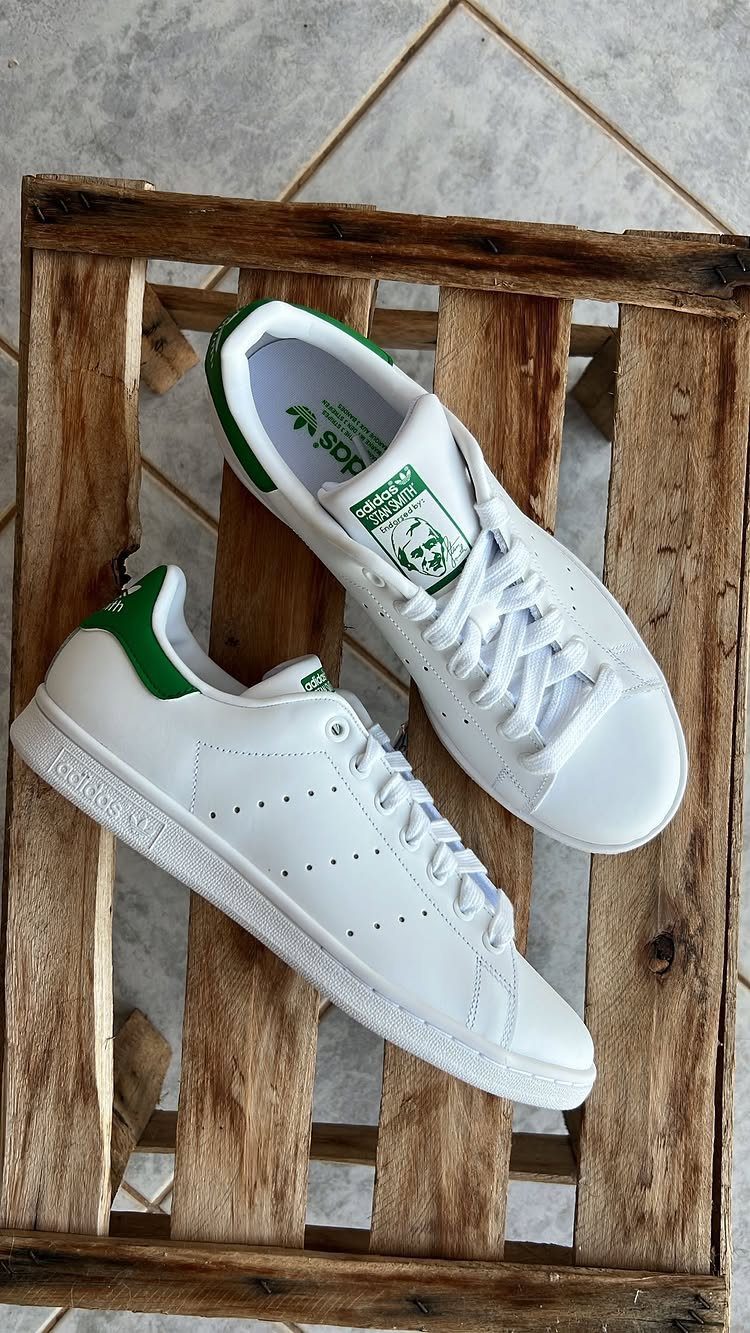
The Adidas Stan Smith is a white leather sneaker with green heel tabs and perforated stripes that has survived decades of trend cycles for a reason.
The OrthoLite liner wicks moisture, which matters when you are walking through museums and churches that keep their floors cool.
I would treat these as a one-bag solution for short trips: they slip off at airport security, pair with dresses or jeans, and handle light hiking if your itinerary wanders beyond the city.
The green-back version is the classic, though newer colorways exist if you want something less expected. Half sizes help if you are between standard fits.
8. White Nike Air Force 1

The all-white Nike Air Force 1 low is a chunky-soled leather sneaker that reads cleaner in person than in photos, where the sole can look heavier than it feels.
The leather upper creases with wear in ways that bother some owners and not others; I would check whether that patina appeals to you before committing.
The weight is noticeable after a full day of walking, so this works better for travelers who mix sitting with strolling rather than those planning all-day walking marathons.
Try them with the lacing loose enough that the tongue does not dig at the ankle.
9. Chunky Black Walking Sneakers
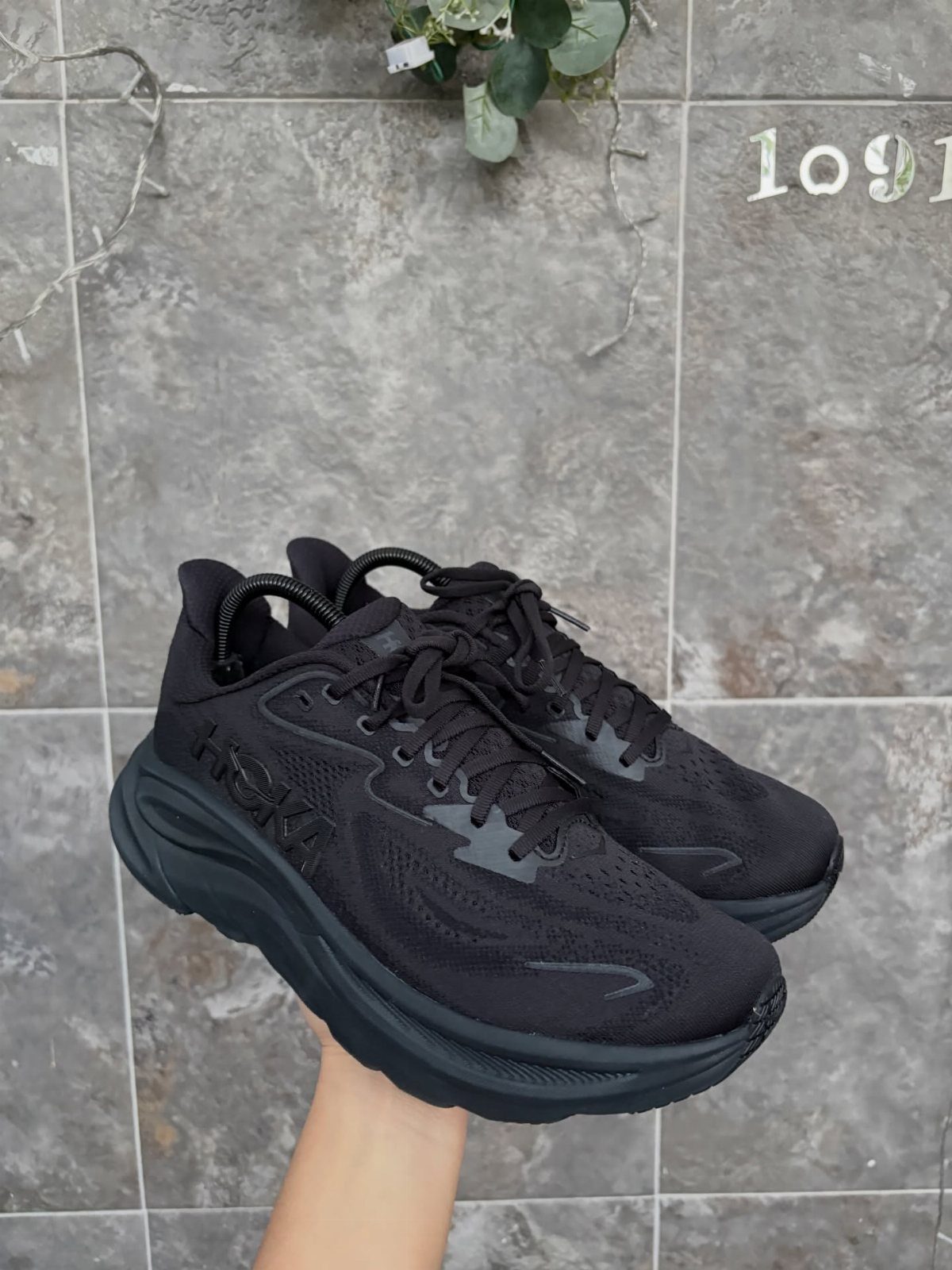
A chunky black athletic shoe like the Hoka is what you reach for when your feet need maximum cushioning and you no longer care whether your shoes look like they belong in a gym.
The shoe trees inside suggest someone serious about maintaining shape between wears, which is worth doing with mesh uppers that can sag.
I would verify that the stack height does not roll your ankle on uneven cobblestones, since thick soles can destabilize on lateral tilts.
These suit travelers with plantar fasciitis or prior foot surgery who need the support more than they need the shoe to read as streetwear.
10. Cushioned Athletic Walking Shoes
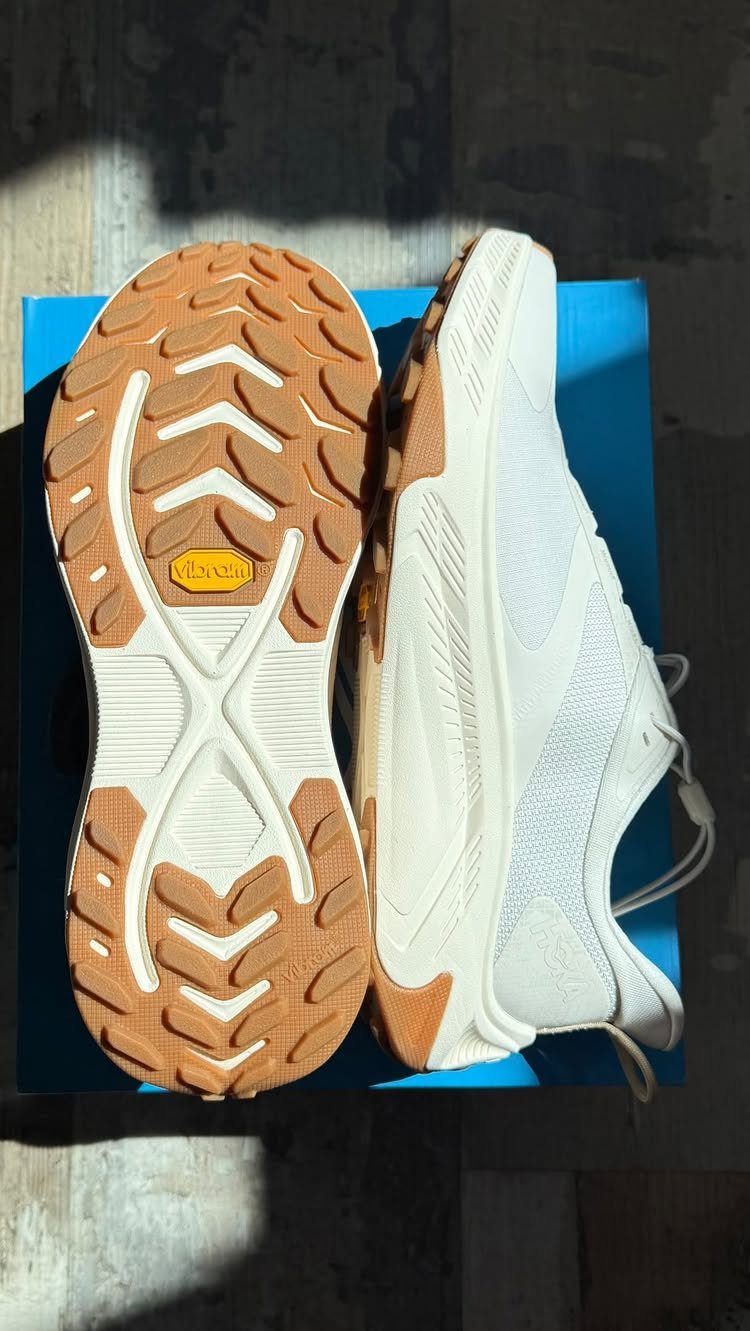
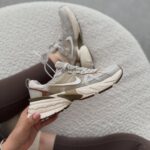
A white athletic walking shoe with a tan Vibram sole pairs technical cushioning with a colorway that stays neutral enough for casual dinners.
The Vibram rubber outsole is the detail to note: it grips wet stone better than standard foam soles and wears longer, which pays off on multi-week trips where you are logging miles daily.
I would check whether the drop from heel to toe matches what your calves are used to, since zero-drop and high-drop shoes load different muscles and switching mid-trip invites strain.
These are for travelers who prioritize function first and accept that the silhouette reads sporty.
The best walking shoes leave you blister-free, with no irritated heels or sore arches.
Comfort and Style Balance
Neutral colors and minimal designs do more work than most travelers expect. Black, gray, beige, and muted earth tones pair with outfits you already own rather than limiting you to one look.
Bulky midsoles and deep lugs read athletic in photos and awkward at dinner; low-profile cushioning handles city walking without that tradeoff.
The fashion-forward picks in this space lean on the same principle: a shoe that contributes to the outfit rather than apologizing for itself.
That usually means clean lines, no visible technical features, and leather or suede uppers that catch light differently than mesh. If you curate your travel wardrobe carefully, the shoe should feel like a choice, not a compromise.
Footwear for Cobblestones
Cobblestones punish the wrong shoe in ways flat pavement does not. Hard stone transmits impact straight up; without enough cushioning, your feet feel every edge by afternoon.
Too much plushness backfires, though. A sole that folds easily feels wobbly on uneven stone, and your ankles work harder to stabilize with each step.
Side support matters more than travelers expect.
Torsional rigidity, the shoe’s resistance to twisting, keeps your foot from rolling on lateral tilts. Lace-ups beat slip-ons here: the secure lockdown prevents your foot from sliding inside the shoe when the surface drops away unexpectedly.
Wet cobblestones are slicker than they look, especially on inclines. Rubber outsoles grip better than foam, and the difference shows up when a light rain turns streets glossy.
A friction coefficient of 0.45 or higher in the heel is where rubber starts to earn its place on wet stone, and that is the test standard cobblestone-worthy soles are measured against.
Breaking in Shoes
New shoes need time before they travel.
The break-in period is not about softening the shoe so much as learning where it rubs against your foot in motion. Regular wear, not just around the house, usually reveals the hot spots.
Start with shorter walks and build up distance gradually.
Pay attention to heel slip, toe box pressure, and any seam that sits wrong after an hour. Socks matter here: wear the same thickness you plan to travel with, since a change there alters fit more than most people expect.
Consider your destination’s demands while you are still home.
Slip-on ease, arch support needs, open versus closed toe, traction requirements: these are easier to test on familiar streets than to discover abroad. Airport security is one factor among several, not the deciding one.
If a shoe still pinches or rubs after intentional wear at home, it will not fix itself in Europe. Cut it from the lineup and rotate what works.
Frequently Asked Questions
What sneakers is everyone wearing in Europe?
Veja Campo and Adidas Stan Smith are the ones I see most on travelers who want both function and style.
The Veja handles cobblestones better than typical fashion sneakers, and the Stan Smith pairs with dresses or jeans without looking like gym gear.
Both come in leather rather than mesh, which reads more intentional at a restaurant than technical running shoes do.
Do people wear Hokas in Europe?
Yes, chunky black athletic shoes like Hoka show up on travelers who need maximum cushioning for foot conditions or prior surgery.
The thick sole can destabilize on uneven cobblestones, so I would test them on lateral tilts before relying on them abroad. They read more clinical than streetwear, but for someone whose feet need that support, the trade is worth it.
What kind of shoes are best for walking long distances?
Look for substantial cushioning, a sole that grips wet stone, and a fit wide enough for feet that swell after hours of walking.
Rotating between two shoes with different drops and flex points matters more than most travelers expect; by day four of the same shoe, your body has logged every repetition.
What shoes to wear walking around Paris?
Sleek leather sneakers or refined flats handle Paris cobblestones and Metro stairs better than bulky athletic shoes or narrow heels.
I would pick the Veja Campo in White Platine or the Adidas Stan Smith with green heel tabs; both slip off for museum entries and pair with most outfits.
Avoid anything that skitters on stone or pinches after 10 thousand steps, since Paris rewards wandering.