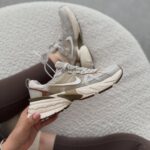
The 4 pairs here range from under $100 to the Hoka Clifton’s premium price, and the deciding factor is what your feet actually need: a wide toe box, a zero-drop rebuild, memory foam for standing shifts, or budget cushioning for daily miles.
The Xero Prio carries a 5,000-mile sole warranty, which is unusual territory for a shoe at this price.
1. Xero Shoes Prio Original
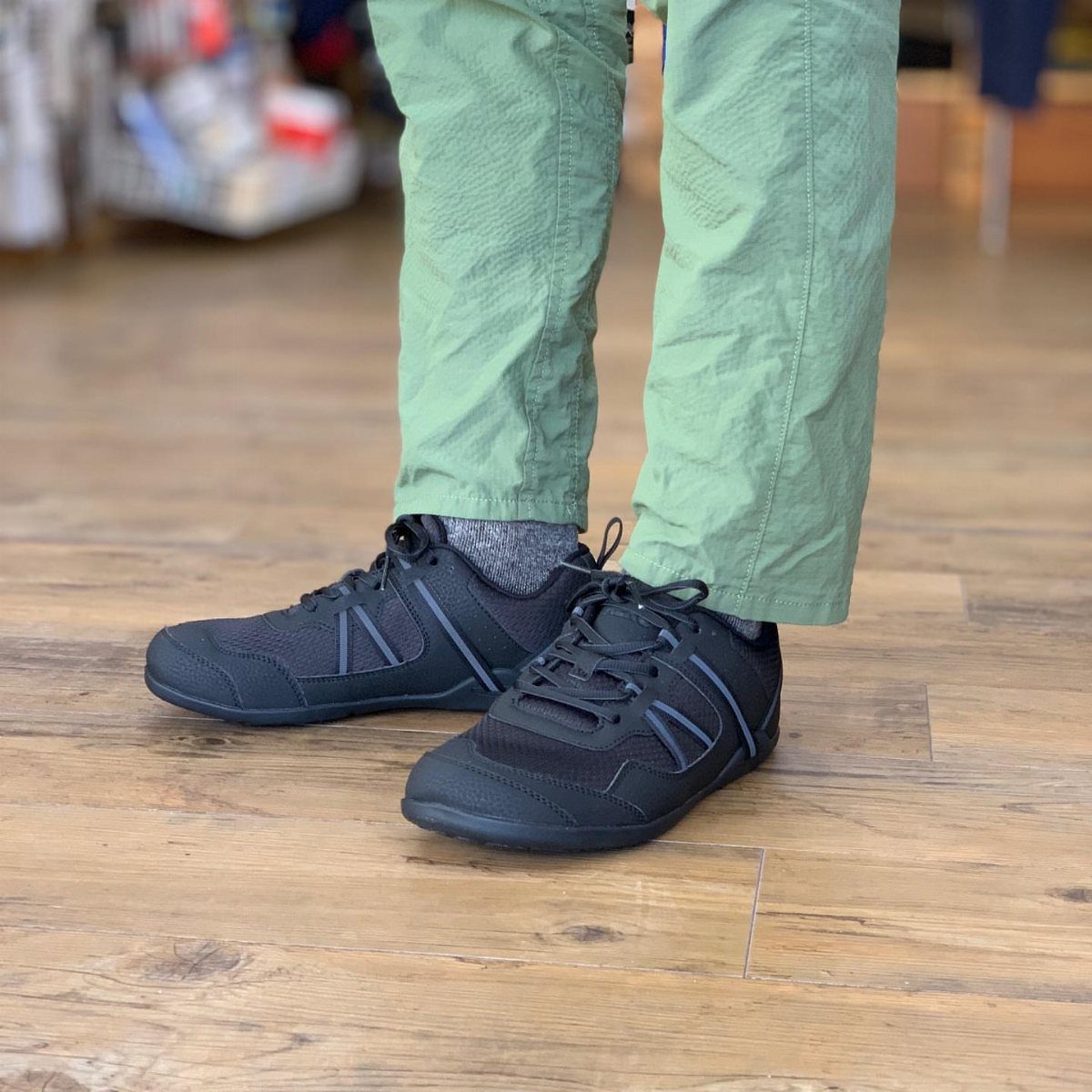
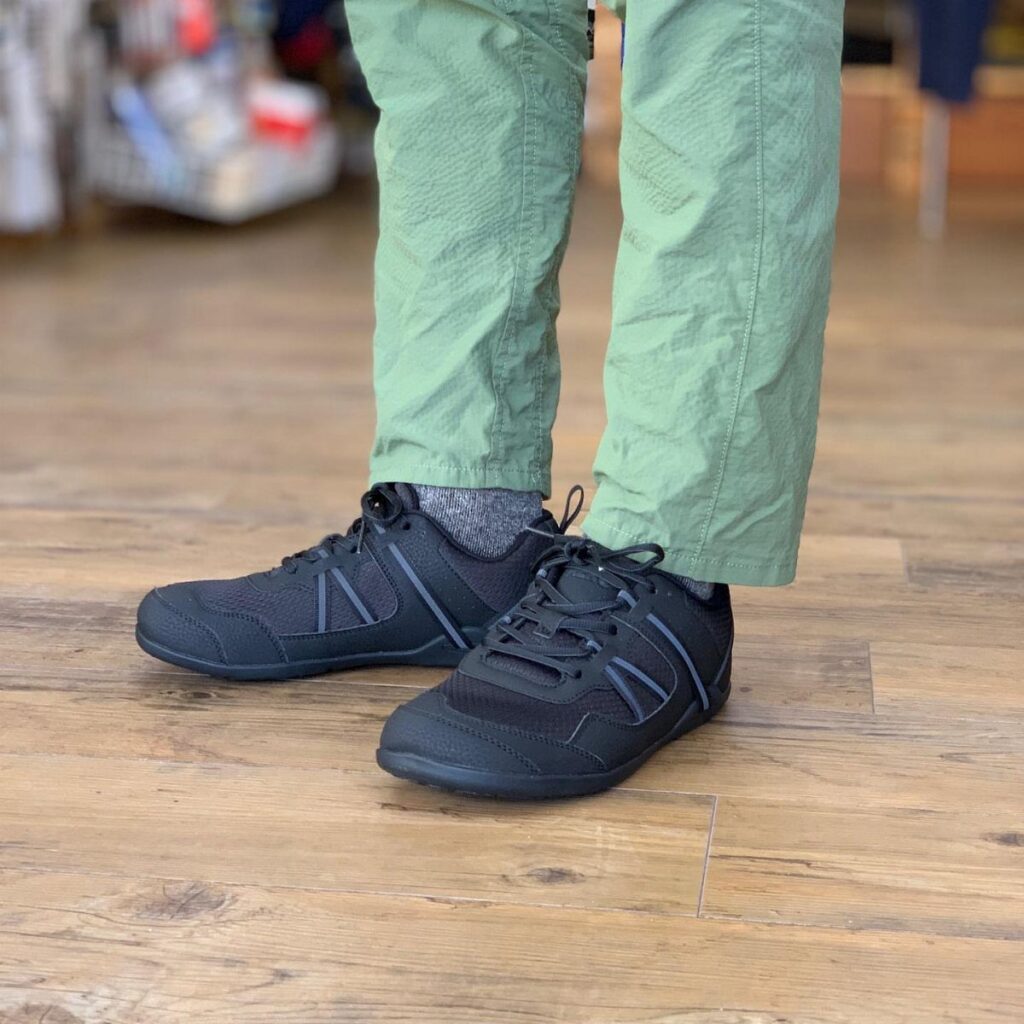
The Xero Prio sits flat on the ground with no heel lift, which is the "zero drop" part, and the toe box follows an actual foot shape rather than tapering to a point.
Treat these as a training project rather than a day-one shoe: there is an adjustment period, and the optional 2mm insole lets you dial back the barefoot feel while your calves adapt.
The 5,000-mile sole warranty is unusual for any shoe under $100. For someone with chronic foot pain, one podiatrist suggested that radical change in shoe geometry is sometimes what breaks the cycle of plantar fasciitis.
2. Hoka Clifton 9
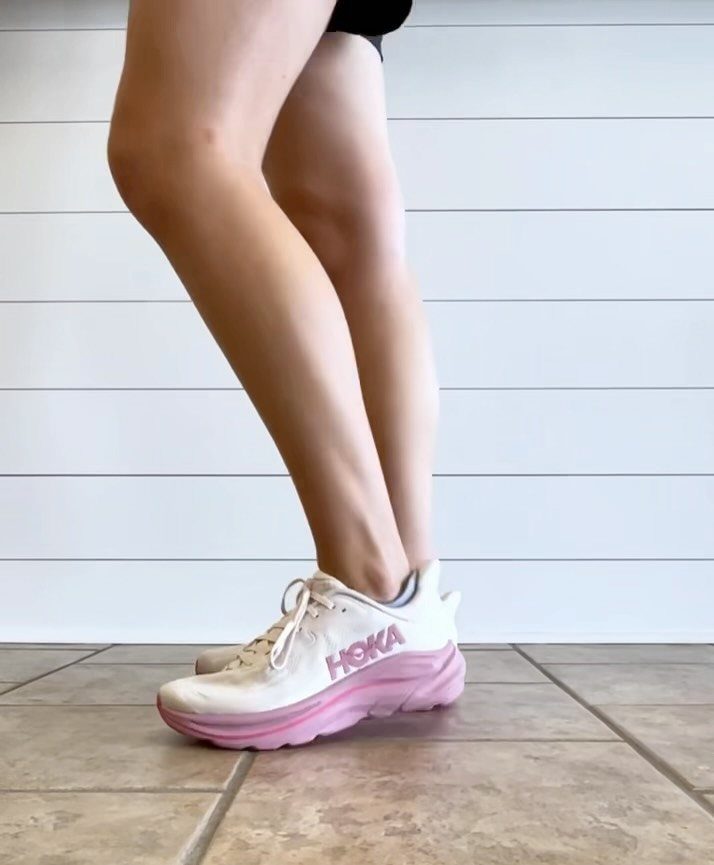
Hoka built its name on thick cushioning that stays light, and the Clifton carries an American Podiatric Medical Association seal, meaning APMA podiatrists reviewed it and found it beneficial for foot health.
The rocker in the sole smooths out each step so your legs do less braking work, though I’d check the fit in person since the standard Clifton runs narrow through the forefoot.
Wide widths are available, though the price sits above the other entries here. If you need one shoe for both walking and occasional running, this is the pair that covers both without a second purchase.
3. Skechers with Memory Foam Sole
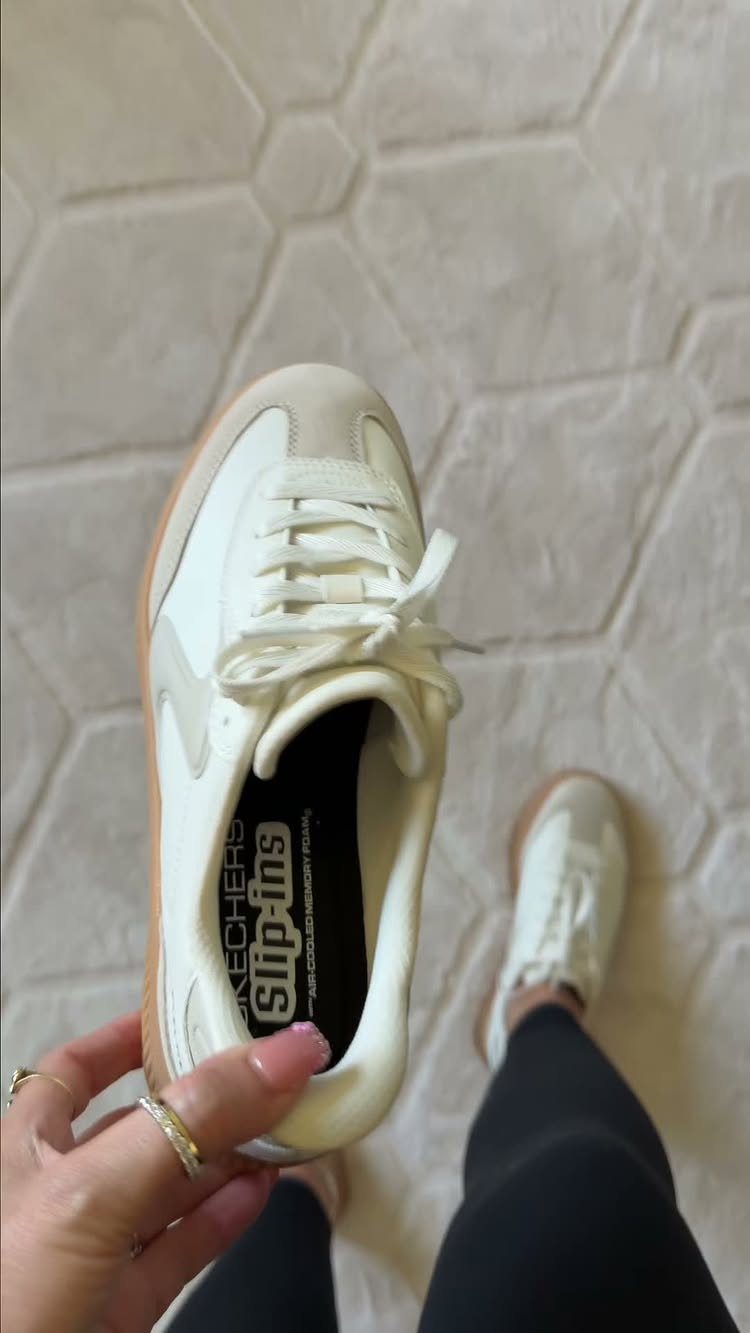
Memory foam in a walking shoe works like the layer in a mattress: it compresses under pressure and returns slowly, which spreads impact across the whole foot rather than concentrating it on heel or ball.
Skechers Slip-ins with the air-cooled memory foam insole are built for exactly that, and the slip-in design removes the step of tying or pulling.
I would wear these for flat-surface walking or standing shifts rather than uneven terrain, since the foam prioritizes shock absorption over lateral stability.
If the insole packs down over months, replacement insoles are easier to swap here than in more integrated designs.
4. Nortiv 8 Activebreeze
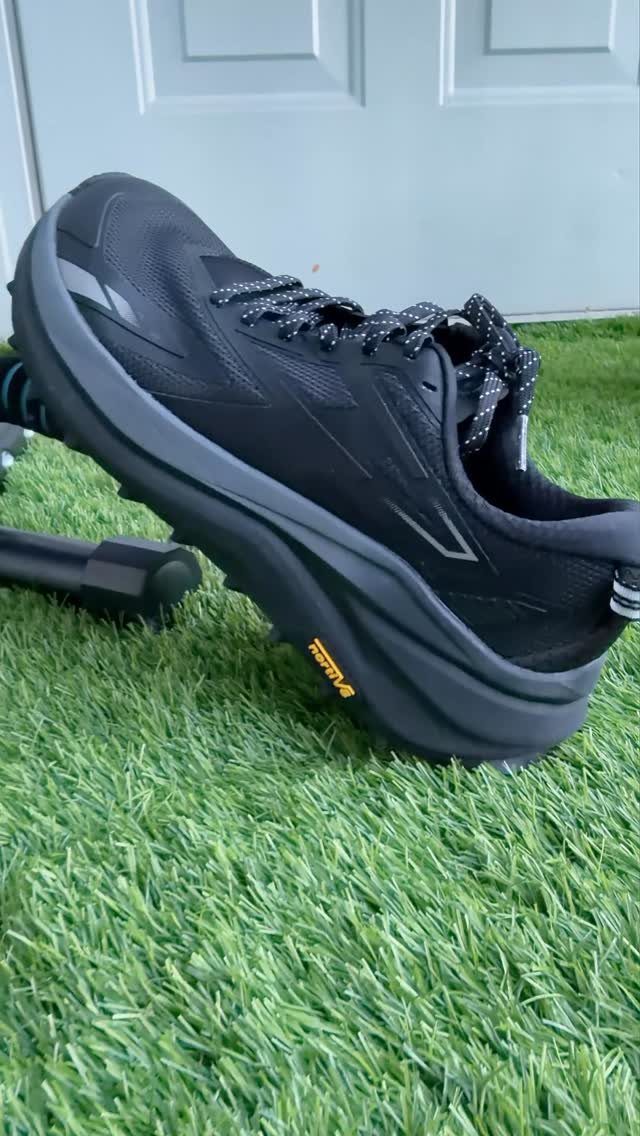
Nortiv 8 is not a brand you will find in running specialty stores, which is precisely how it lands at a lower price than the Clifton or the barefoot brands.
The Activebreeze uses soft cushioning and a breathable upper, and the look is clean enough that it does not read as orthopedic.
I would check the arch height against your own before ordering: budget walking shoes often fit a medium arch and suffer if your foot runs high or flat.
For someone who walks daily and replaces shoes seasonally rather than logging miles in one pair, this is the entry that keeps cost low while still offering the support features that matter for all-day wear.
Importance of Proper Fit
Dr. Neil Feldman at Central Massachusetts Podiatry puts fit first: a shoe can feel soft and still cause problems if your foot slides or squeezes inside it.
I have learned to shop late in the day, when feet are at their widest, and to bring the socks I actually plan to wear.
A thumb’s width of space past the longest toe is the usual check, but I also press down on the top of the shoe to feel where my longest toe actually sits.
Width matters as much as length: the Hoka Clifton and the Nortiv 8 both come in wide versions, while the Xero Prio’s wide toe box is built in.
If you are between sizes, the Skechers Slip-ins remove lacing from the equation entirely, which helps if your instep is high or low.
Cushioning and Support
The right cushioning depends on where your foot hurts.
Heel pain from plantar fasciitis or Achilles tendonitis calls for a deep heel cup and a thick rubber outsole to absorb impact, while arch pain needs support that stops the foot from flattening.
A flat footbed lets the foot do its own work, which is why the Xero Prio’s optional 2mm insole lets you adjust rather than commit to full ground contact immediately. I would replace insoles seasonally if you walk daily.
Consider Foot Conditions
Pinpoint where it hurts before you buy. Plantar fasciitis hits the heel and arch, bunions and hammertoe show up in toes cramped by narrow boxes, and flat feet need structure that a cushioned but flexible shoe cannot provide.
The Hoka Clifton’s rocker and cushion suit mixed use, while the Nortiv 8’s medium arch works only if your arch height matches.
If you already own orthotics, check whether a shoe’s footbed comes out: integrated designs lock you into the stock insole.
Gravity Defyer, Vionic, and Dansko are brands built around these conditions, though they sit at higher price points than the Nortiv 8.
Try Before You Buy
A podiatrist I read suggested bringing three or four pairs to the fitting room, since the same size in two brands can sit on your foot like completely different shapes.
Walk the store, not just to the mirror: a shoe that feels fine at a standstill can rub or slide at pace.
I would bring the socks and any orthotics I plan to use, and test on a hard surface if the store allows it.
Paying more for quality materials extends lifespan, though the Nortiv 8 proves that low cost and decent construction are not mutually exclusive.
If your budget is tight, a removable insole from the drugstore can upgrade shoes you already own and move between pairs.
The Skechers Slip-ins are worth trying if bending to tie laces is difficult, since ease of entry matters for daily use as much as midsole technology does.
Frequently Asked Questions
What shoes do podiatrists recommend for walking?
Podiatrists look for shoes that carry the American Podiatric Medical Association seal, like the Hoka Clifton 9, which means APMA podiatrists reviewed it and found it beneficial for foot health.
Dr. Neil Feldman at Central Massachusetts Podiatry puts fit first: a shoe can feel soft and still cause problems if your foot slides or squeezes inside it.
What are the best shoes for walking all day?
For all-day walking, I would look at the Hoka Clifton 9 for its thick cushioning that stays light, or the Skechers Slip-ins with air-cooled memory foam for standing shifts and flat-surface walking.
The Clifton’s rocker sole lets each step roll through so your legs don’t have to brake as hard, and the Skechers spread the load across your whole foot instead of hammering one spot.
Both come in wide widths if you need them.
What are some comfortable shoe brands for walking?
Hoka, Skechers, and Xero Shoes are the brands I covered for different needs: Hoka for thick cushioning that stays light, Skechers for memory foam comfort at a lower price, and Xero for barefoot-style ground feel with a 5,000-mile sole warranty.
If foot conditions are the main concern, Gravity Defyer, Vionic, and Dansko build specifically around those needs at higher price points.