The 5 zero-drop sneakers below include a trail runner, two mesh styles in light pink and white, and a casual black pair, and the right one depends on whether you need grip for dirt paths, a soft upper for long days, or just a clean shape that does not read as athletic.
What they share is a level heel and enough toe room that your foot spreads the way it would on bare ground, which is the actual point of going zero drop.
1. The Best Women’s Barefoot Shoes
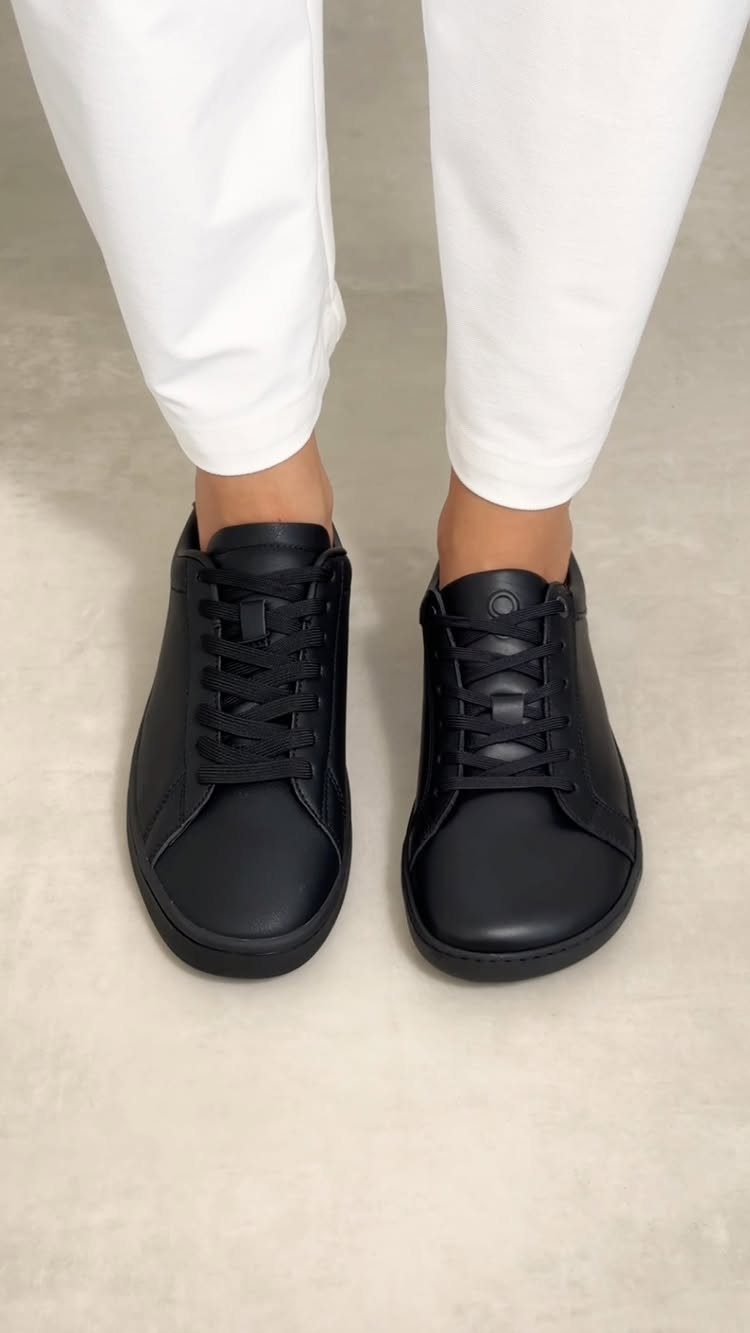
A true barefoot shoe gives your toes room to spread the way they would on bare ground.
The width at the ball of the foot is the first thing to check, since a cramped forefoot undoes the point of going zero drop in the first place.
I have found that most true barefoot brands run lower in overall volume than people expect, so if you are between sizes or carry extra height across the instep, try the larger one first.
Zero drop alone does not make a shoe barefoot; the heel sits level with the forefoot, but the toe box, the flexibility, and how little sits between you and the ground complete the picture.
2. Mesa Trail II
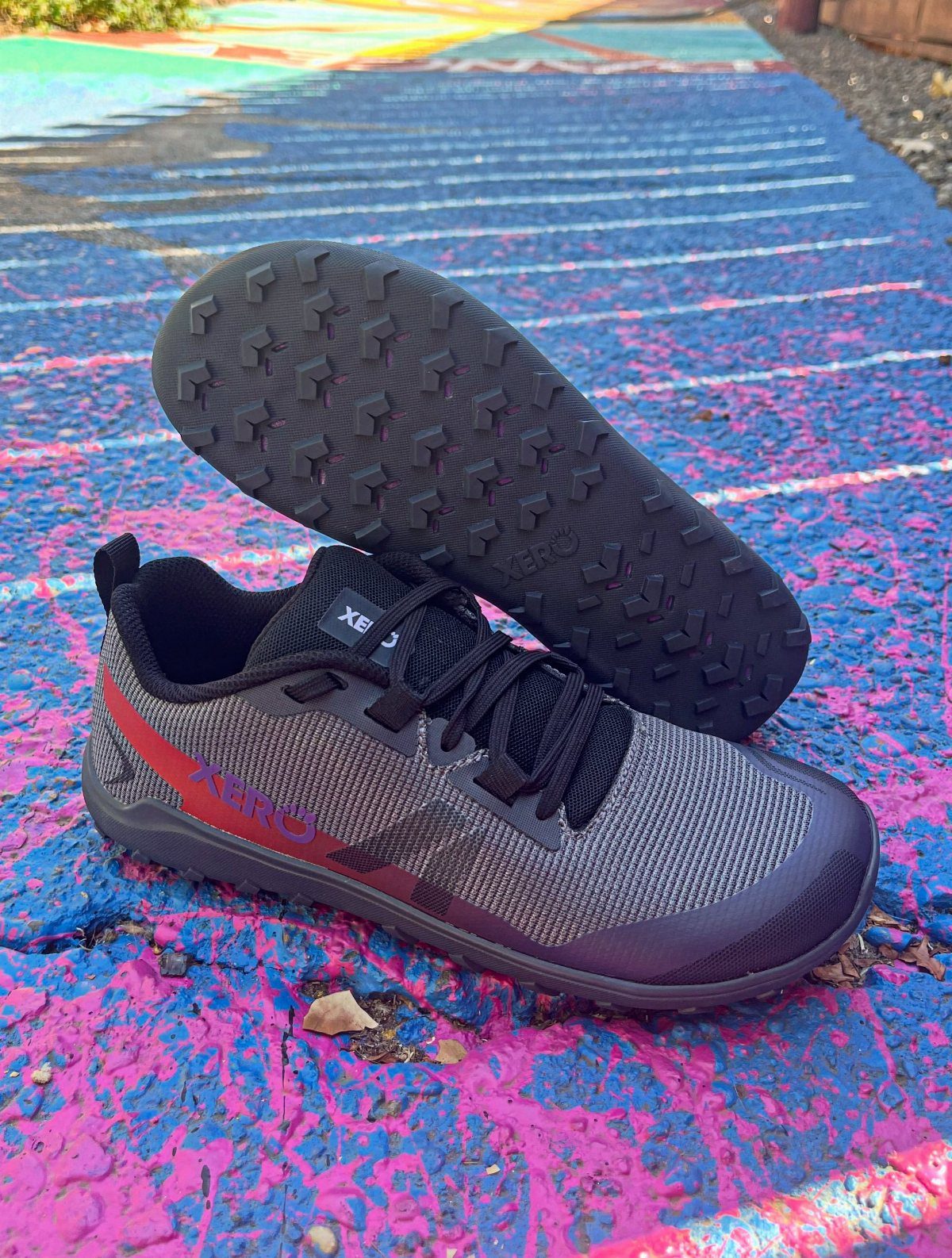
The Mesa Trail II handles actual trail running without pretending your foot is something it is not.
Xero built this one with an 8.5mm sole and lugs that bite dry ground hard, though I would reach for something else on wet mornings when the rocks get slick.
The upper flexes enough that sizing runs tricky: most people need a half size up from their usual, and the toe box sits narrower than Altra’s, which some runners prefer and others do not.
What I keep coming back to is how the heel cup holds without squeezing, letting your foot move over roots and stones instead of bracing against them.
If you specifically want a running shoe, try the Xero HFS II. These weigh in at 14.2 ounces and have an 8.5-millimeter millimeter stack.
3. Light Pink Mesh Sneakers
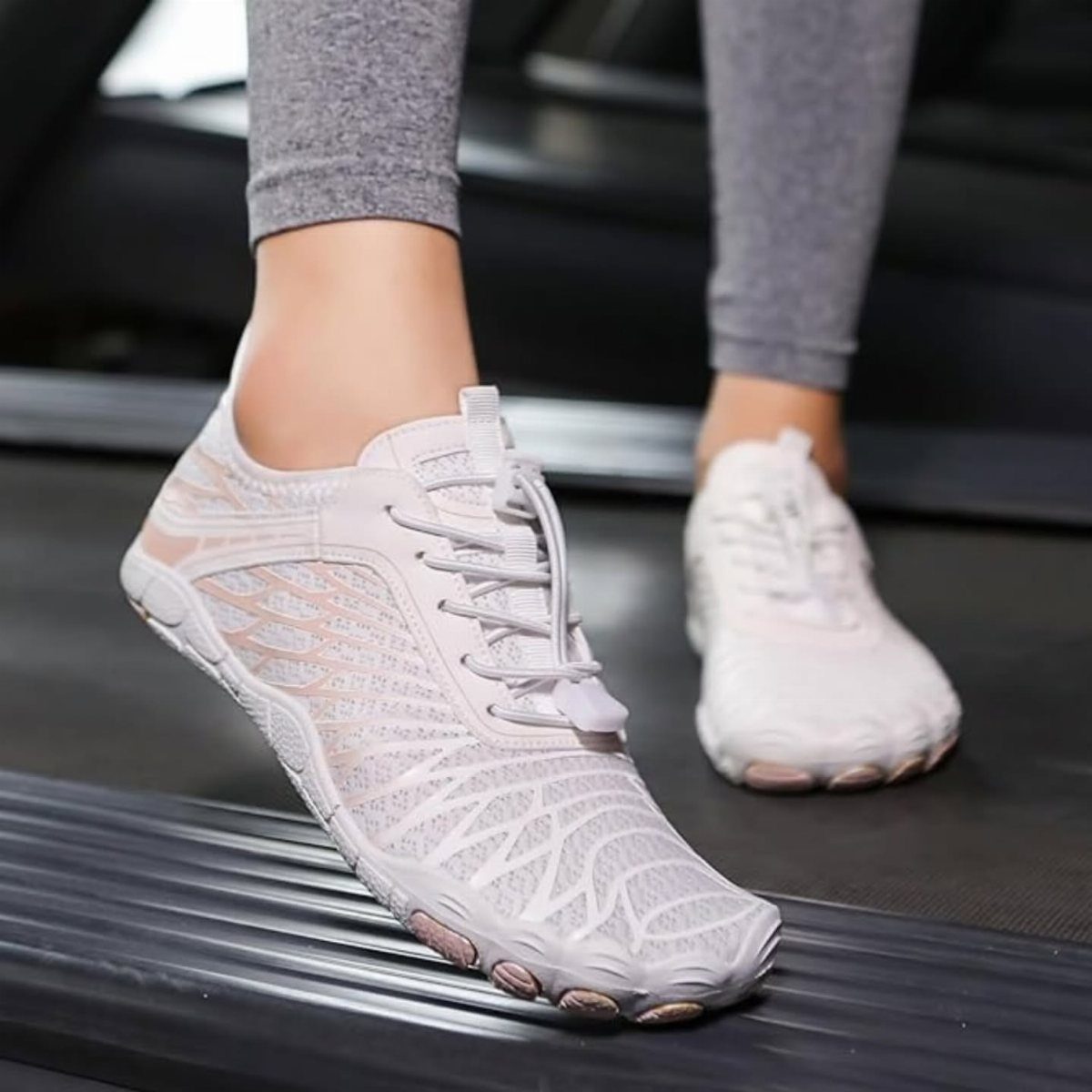
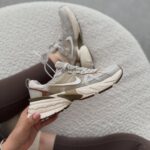
A light pink mesh upper on a zero-drop sneaker reads gym-ready without shouting for attention, and the 12.7 ounce weight per pair keeps it there through full workouts.
The Primus Lite IV runs small in length and generous in width, so order up if you are near a border size, and narrow-footed buyers should know the toe box may swim on them.
I would use these for weightlifting days when you want ground feel and a solid base: 4mm total stack, removable insole, and a heel that stays put during lunges.
The mesh breathes well enough that I have worn them through summer sessions without thinking twice.
4. Casual Black Zero Drop Sneakers
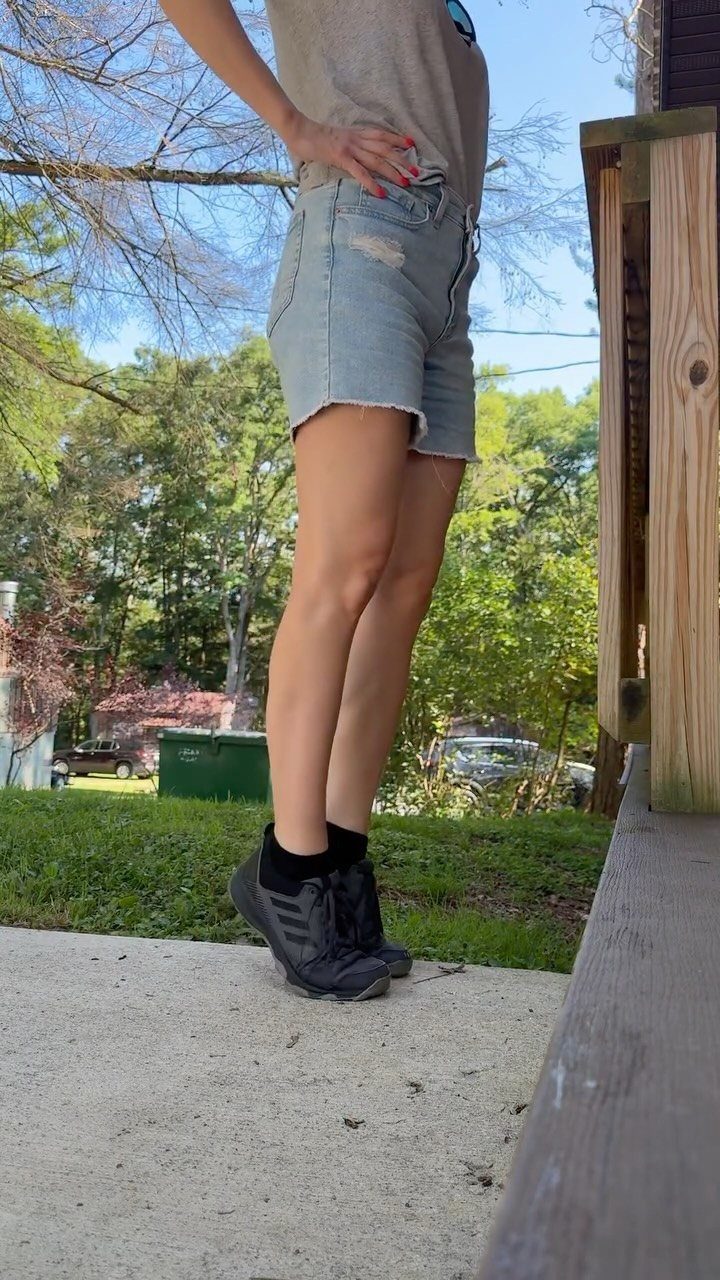
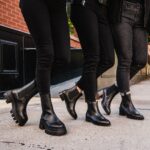
Black low-profile sneakers with black socks and denim shorts make the zero-drop shape look like any casual weekend shoe, which is the point if you are easing into minimalist footwear without fielding questions at brunch.
Check whether the pair you are considering has enough width through the forefoot for your usual socks; some brands cut slim and black-on-black can hide a shape that your own feet might not get along with.
These work best for walking and light daily wear rather than miles on pavement, since the visible sole carries minimal cushioning.
5. White Minimalist Zero Drop Sneakers
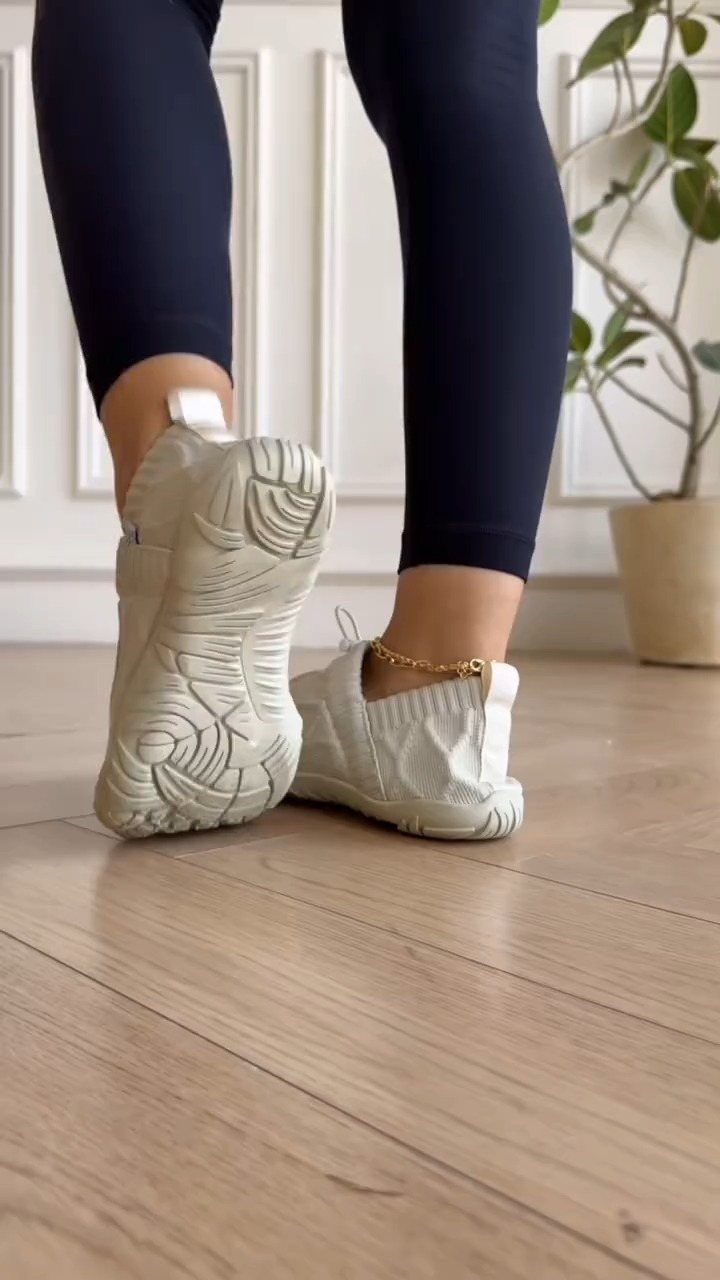
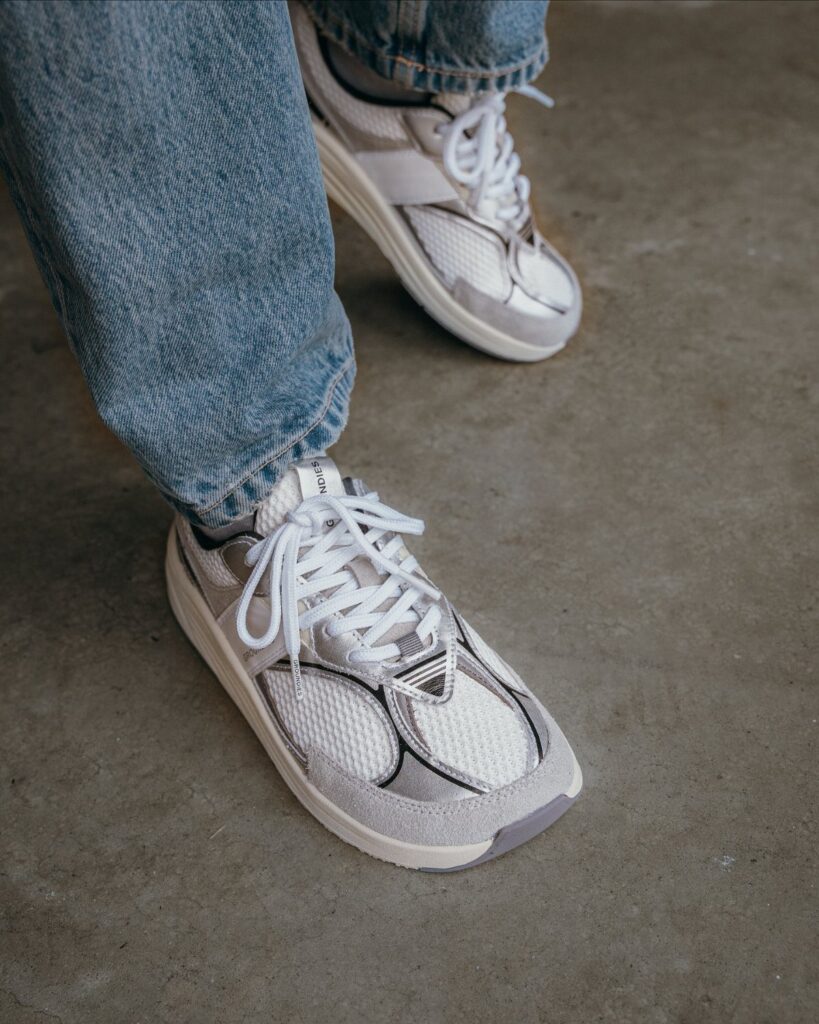
Zero-drop sneakers with a clean white knit upper and dark leggings work somewhere that calls for a cleaner look than rubber and mesh.
What separates barefoot from merely minimalist is the combination: 0mm heel drop, very low stack, and enough flexibility that the shoe folds rather than fights your foot.
I would treat these as my around-town pair rather than my only pair, since white knit shows wear fast and the minimal structure trades longevity for ground feel.
If you are deciding between this look and something more cushioned, remember that zero drop alone does not guarantee a barefoot experience; check the stack height and whether the shoe actually bends in your hands before you buy.
Frequently Asked Questions
What do podiatrists say about zero drop shoes?
Podiatrists want you to understand your own foot before you switch.
Zero drop changes how you strike the ground, and that shift can help or hurt depending on your arch height, past injuries, and whether you are willing to spend weeks adapting.
Podiatrists tend to stress that zero drop alone does not make a shoe good for you; the toe box width, flexibility, and stack height matter just as much.
Who should wear zero drop sneakers?
Runners who want a flatter landing and walkers who want their feet to spread naturally are the obvious fits. They also work well for weightlifting, where a solid base and level heel improve balance during lunges and squats.
Are Hokas zero drop shoes?
No. Hoka builds its reputation on thick, cushioned midsoles with a noticeable heel-to-toe drop, the opposite of the zero-drop approach.